
A Comprehensive Cat Allergy Guide: Identifying and Treating Allergies in Cats
Learn how to identify and treat cat allergies with our comprehensive cat allergy guide, focusing on cat health care and the latest trends.


23 min read
What You Need to Know About Cat Allergies
Did you know that approximately 10% of cats suffer from allergies, making it one of the most common health issues affecting our feline friends? This statistic underscores the importance of being vigilant about our pets’ health, as allergies can lead to discomfort and a diminished quality of life if left untreated. In recent times, the understanding of cat allergies has evolved, shedding light on how to identify and treat these conditions effectively. This cat allergy guide will provide essential insights into recognizing the symptoms of allergies in cats and exploring treatment options to ensure better cat health care.
Allergies in cats can arise from various sources, including environmental factors, food ingredients, and even flea bites. Recognizing the symptoms early is crucial for effective intervention. Common signs of allergies in cats include frequent scratching, excessive grooming, and skin irritations. However, some symptoms may be subtler, such as changes in behavior or appetite. By familiarizing ourselves with these indicators, we can act promptly to safeguard our feline companions’ well-being.
In this article, we will delve into three main points: understanding the prevalence of cat allergies in pets, recognizing symptoms for early detection, and exploring treatment options for better cat health care. We’ll look at various methods to identify cat allergies and how to treat cat allergies effectively, ensuring that your beloved pet remains healthy and happy.
For pet owners seeking more specialized information, resources such as the American Veterinary Medical Association provide valuable insights into allergy management for pets, while PetMD’s comprehensive articles can help you stay updated on the latest treatment options. With the right knowledge and tools, you can help ensure that your cat leads a comfortable life free from the burdens of allergies.
Understanding Cat Allergies
Allergies in cats can manifest in various ways, affecting their overall health and well-being. Identifying and treating these allergies is crucial for ensuring a healthy life for your feline friend. This cat allergy guide will help you understand the types of allergies, their common symptoms, and how to approach treatment.
Types of Allergies
Cats can suffer from several types of allergies, each with distinct causes and symptoms. Here are the most common types:
Flea Allergy Dermatitis (FAD):
- FAD is one of the most prevalent allergies in cats, often triggered by flea saliva. Even a single flea bite can lead to severe allergic reactions. Affected cats may exhibit excessive scratching, biting, or licking, particularly around the neck, tail base, and abdomen.
- Recent studies indicate that approximately 15-30% of cats are affected by flea allergies, as reported by the American Veterinary Medical Association.
Food Allergies:
- Food allergies typically develop when a cat’s immune system misidentifies certain proteins as harmful. Common allergens include beef, dairy, and fish. Symptoms may manifest as gastrointestinal issues, such as vomiting or diarrhea, or skin problems like itchiness or rashes.
- According to a study published in the Journal of Veterinary Internal Medicine, around 10% of cats with allergies are specifically allergic to certain foods.
Environmental Allergies:
- These allergies can be caused by a variety of environmental factors, including pollen, dust mites, mold, and grasses. The symptoms often mirror those of flea allergies but can also include respiratory issues, such as sneezing or coughing.
- A survey conducted by the American Animal Hospital Association found that environmental allergies are increasing in prevalence, accounting for a significant portion of allergic reactions in cats.
Common Symptoms
Recognizing the symptoms of cat allergies is crucial for prompt treatment. Here are some common signs to look for:
Itching and Scratching:
- Excessive grooming, scratching, or biting at the skin is a common sign of allergies. For instance, a cat suffering from flea allergy dermatitis may have hair loss or sores from constant scratching.
Gastrointestinal Issues:
- Cats with food allergies may experience vomiting, diarrhea, or other digestive disturbances. In some cases, this can lead to weight loss or lethargy.
Skin Irritations:
- Allergies can cause various skin issues, including redness, rashes, or hives. Affected areas may become inflamed and may even lead to secondary infections.
Respiratory Symptoms:
- Cats with environmental allergies may exhibit sneezing, coughing, or watery eyes. These symptoms can sometimes be mistaken for respiratory infections.
Behavioral Changes:
- Allergic reactions can lead cats to become irritable or restless, especially if they are uncomfortable due to itching or other symptoms.
Example Case Study
Consider a case study of a five-year-old domestic shorthair cat named Whiskers. Whiskers began showing signs of excessive scratching and skin irritation, particularly around his neck and tail. After consultation with a veterinarian, it was determined that he was suffering from flea allergy dermatitis. The treatment plan included flea prevention medication and topical treatments to soothe the irritated skin. Within weeks, Whiskers’ symptoms significantly improved, showcasing the importance of early identification and treatment.
Conclusion
Identifying cat allergies is the first step in ensuring proper cat health care. By understanding the types of allergies and recognizing common symptoms, cat owners can take proactive measures to improve their pets’ quality of life. It is always advisable to consult a veterinarian for a proper diagnosis and treatment plan tailored to your cat’s specific needs.
For further reading on cat allergies and management strategies, you can explore resources from the American Veterinary Medical Association and the Journal of Veterinary Internal Medicine. These sources provide comprehensive insights into current trends and research in feline allergy management.
Identifying Cat Allergies
Identifying cat allergies can be a challenging task for pet owners. Cats, being masters of subtlety, often exhibit behavioral changes that can indicate discomfort due to allergies. Knowing what signs to look for and understanding the veterinary diagnostic processes can significantly aid in managing your cat’s health.
Behavioral Signs
Cats may not be able to communicate their discomfort verbally, but they often exhibit noticeable behavioral changes when suffering from allergies. Here are some common signs that may indicate your cat is dealing with allergies:
Excessive Grooming: One of the most telling signs of allergies in cats is excessive grooming. A cat that licks or chews at its fur more than usual may be trying to relieve itching or discomfort caused by allergens. This behavior can lead to bald patches or skin irritation, further complicating the issue.
Scratching: Similar to excessive grooming, frequent scratching can indicate that a cat is experiencing allergic reactions. This behavior can sometimes lead to skin infections if not addressed promptly.
Changes in Appetite: Allergies can also cause gastrointestinal discomfort, leading to changes in appetite. A cat may eat less or, conversely, show an increased desire to eat as they seek relief.
Sneezing and Coughing: Just like humans, cats can exhibit respiratory symptoms in response to allergies. Sneezing, coughing, and nasal discharge are signs that your cat may be allergic to environmental factors like pollen or dust mites.
Behavioral Changes: An allergic cat may show increased irritability or lethargy. Cats that usually enjoy playtime may become withdrawn or less active due to their discomfort.
Understanding these signs is essential for prompt action. If you notice any of these behaviors in your cat, it may be time for a closer look and possibly a visit to the veterinarian.
Veterinary Diagnosis
A veterinary diagnosis is crucial for accurately identifying cat allergies. While observing your cat’s behavior can provide initial insights, professional tests are necessary for confirmation and treatment planning. Here are the common methods used by veterinarians:
Physical Examination: The veterinarian will start with a thorough physical examination, checking for visible signs of allergy such as skin irritations, rashes, or infections.
Skin Tests: Similar to allergy tests for humans, skin tests can help identify specific allergens. The veterinarian may apply small amounts of various allergens to your cat’s skin and observe for reactions.
Blood Tests: Blood tests can also be used to identify allergens. These tests measure the levels of specific antibodies (IgE) that respond to allergens. This method can be particularly useful in cases where skin testing is not feasible.
Elimination Diets: If food allergies are suspected, a veterinarian may recommend an elimination diet. This involves removing certain ingredients from your cat’s diet and monitoring for improvements over a set period.
Allergy History: Providing your veterinarian with a detailed history of your cat’s symptoms, behaviors, and any patterns you’ve noticed can greatly assist in the diagnostic process.
Conclusion
Identifying cat allergies requires keen observation of behavioral changes and a collaborative effort with veterinary professionals. With the right approach, you can significantly improve your cat’s quality of life. By understanding the signs and diagnostic methods, you can take proactive steps to ensure your furry friend receives the necessary care.
For additional insights into proper cat health care, you can refer to the Mayo Clinic’s guide on pet allergies or explore resources from WebMD on pet health. Ensuring your cat’s well-being is an essential part of responsible pet ownership, and knowing how to treat cat allergies is a significant step in that direction.
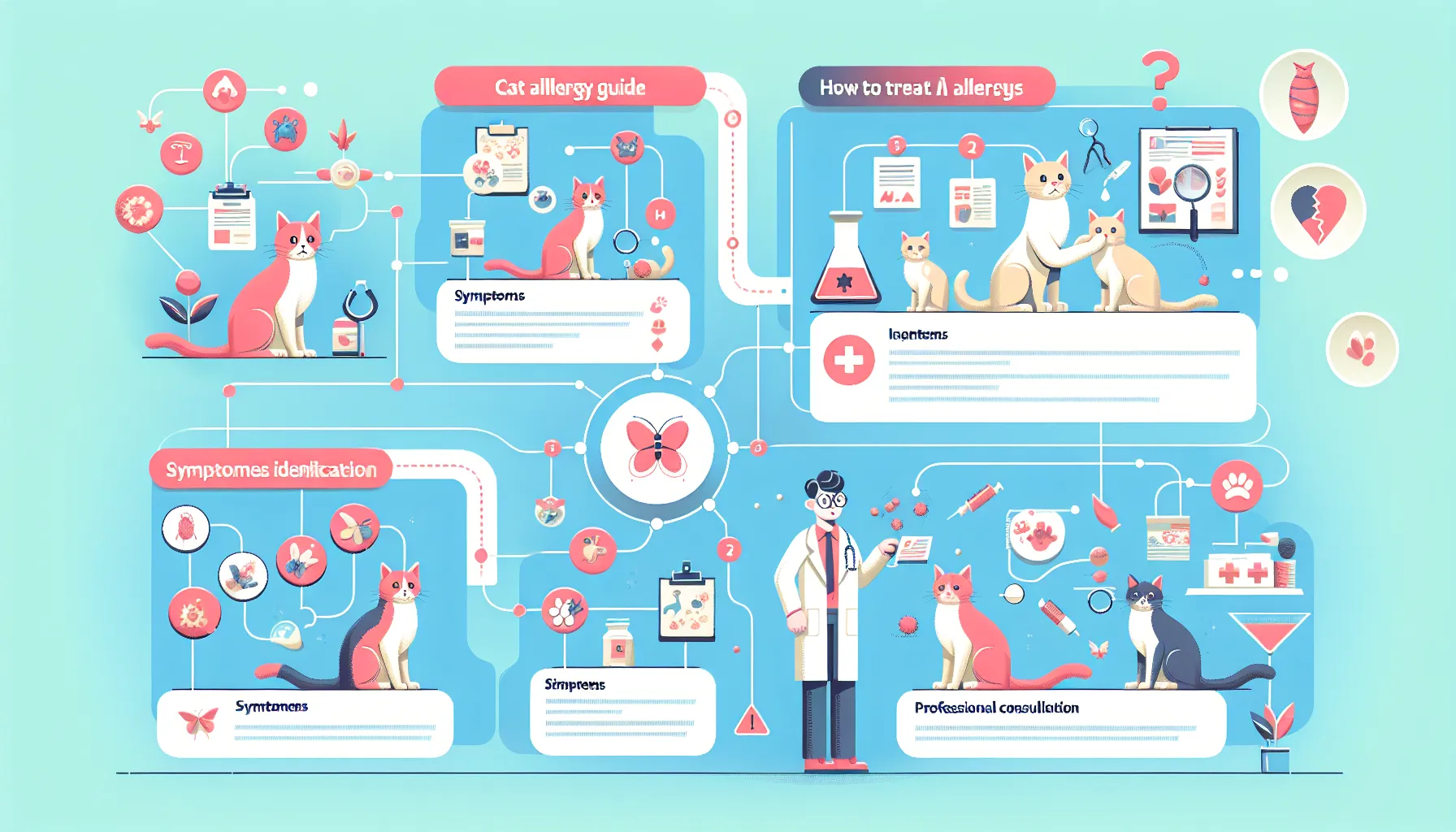
Current Trends in Allergy Treatment
As pet ownership continues to rise, the understanding and treatment of allergies in cats are evolving. This section explores the current trends in allergy treatment, focusing on holistic approaches and modern medications. The growing interest in natural remedies, alongside advancements in pharmaceutical options, represents a crucial shift in cat health care.
Holistic Approaches
Holistic treatments are gaining popularity among pet owners who seek alternatives to conventional medicine. These approaches emphasize the overall well-being of the cat, integrating various natural therapies to alleviate symptoms of allergies.
Natural Supplements:
- Many pet owners are turning to natural supplements to support their cats’ immune systems. Omega-3 fatty acids, found in fish oil, are known for their anti-inflammatory properties and can help reduce skin irritation caused by allergies.
- Probiotics are also becoming more common. They promote gut health, which plays a critical role in the immune system. A balanced gut microbiome can improve a cat’s overall health and potentially reduce allergic reactions.
Dietary Changes:
- Grain-free diets are being explored to identify food allergies in cats. Some studies suggest that cats may be sensitive to certain grains, leading to allergic reactions. Switching to a limited-ingredient diet may help pinpoint specific allergens.
- Home-cooked meals, tailored to a cat’s specific needs, are also gaining traction. These meals can be customized to avoid known allergens and ensure a balanced intake of nutrients.
Environmental Adjustments:
- Reducing exposure to allergens in the home environment is a fundamental aspect of holistic treatment. Regular cleaning, the use of air purifiers, and hypoallergenic bedding can significantly decrease the allergens present in a cat’s living space.
- Herbal remedies such as calendula and chamomile can be applied topically to soothe irritated skin, although it’s crucial to consult with a veterinarian before introducing new treatments.
Recent surveys show that approximately 35% of pet owners are now considering holistic options for managing their pets’ allergies, indicating a significant shift in consumer preferences towards integrative health strategies (source: American Veterinary Medical Association).
Modern Medications
While holistic approaches are increasingly popular, modern medications continue to play a vital role in managing cat allergies. Recent advancements in allergy medications offer new hope and effectiveness in treatment.
Immunotherapy:
- Allergen-specific immunotherapy is gaining ground as a long-term solution for managing cat allergies. This treatment involves gradually exposing the cat to small amounts of allergens to build tolerance over time. Recent studies have shown that this method can lead to significant improvements in symptoms for many cats.
New Antihistamines:
- The development of newer antihistamines has provided pet owners with more options. Drugs such as cetirizine and loratadine are being used off-label to manage allergic reactions in cats, often with fewer side effects than traditional antihistamines.
- A recent study published in the Journal of Feline Medicine and Surgery found that these newer antihistamines can be effective in reducing itching and inflammation in cats suffering from allergies (source: Journal of Feline Medicine and Surgery).
Corticosteroids:
- Corticosteroids remain a common treatment for severe allergic reactions. While they are effective in quickly reducing inflammation, their long-term use can lead to side effects. Veterinarians now aim to use lower doses or combine treatments to minimize these risks.
Biologic Treatments:
- Biologics like oclacitinib (Apoquel) and lokivetmab (Cytopoint) are relatively new advancements that target specific pathways involved in allergic reactions. These medications have shown promising results in controlling itching and inflammation with fewer side effects, making them a valuable part of modern allergy management.
In conclusion, the treatment landscape for cat allergies is becoming more diverse, accommodating various preferences and needs. Whether through holistic approaches or modern medications, pet owners are now better equipped to manage their cats’ allergies effectively. Understanding these current trends is essential for anyone navigating the complexities of cat health care, ensuring that our feline friends can live healthier, allergy-free lives.
As you explore treatment options, consider consulting with a veterinarian to tailor a plan that best suits your cat’s specific needs. For further insights into the advancements in veterinary medicine, you might want to explore Healthline’s pet health section to stay updated on the latest trends.
How to Treat Cat Allergies
Dealing with allergies in cats can be challenging, both for pet owners and their feline friends. Understanding how to manage and treat cat allergies effectively is crucial for maintaining cat health care and improving the quality of life for affected animals. This section provides a detailed cat allergy guide, focusing on allergy management strategies and necessary environmental changes.
Allergy Management Strategies
Managing cat allergies involves a combination of prevention, treatment, and ongoing care. Here are some effective strategies:
Regular Flea Control: One of the most common allergens for cats is fleas. Implementing a strict flea control regimen can significantly reduce allergy flare-ups. According to the American Veterinary Medical Association, approximately 30% of cats suffer from flea allergies. Regular use of veterinarian-recommended flea preventatives can help keep these pests at bay.
Dietary Adjustments: Food allergies are another common issue. If you suspect your cat has a food allergy, switching to hypoallergenic cat food may alleviate symptoms. For example, brands such as Royal Canin and Hill’s Science Diet offer specialized diets designed for cats with food sensitivities. A study published in the Journal of Feline Medicine and Surgery indicates that over 10% of cats may have food allergies, making dietary modifications a key consideration in treatment.
Medications: In some cases, medications may be necessary. Antihistamines and corticosteroids are commonly prescribed to manage allergy symptoms. However, these should only be used under veterinary guidance, as they can have side effects if not administered correctly.
Immunotherapy: For severe allergies, immunotherapy may be an option. This involves exposing the cat to small amounts of the allergen over time to build up tolerance. According to the American Animal Hospital Association, this approach can lead to long-term relief, although it may take several months to see results.
Environmental Changes
Making changes to your cat’s environment can also play a significant role in managing allergies. Consider the following adjustments:
Regular Cleaning: Frequent vacuuming and dusting can help minimize allergens in your home. Pay special attention to areas where your cat sleeps, as dander and dust can accumulate there.
Air Quality Improvements: Using air purifiers with HEPA filters can reduce airborne allergens. A recent study published in Environmental Science & Technology highlighted that HEPA filters can remove up to 99.97% of particles, including pet dander, from the air.
Avoiding Common Irritants: Household irritants such as cigarette smoke, strong perfumes, and certain cleaning products can exacerbate allergy symptoms. Opt for fragrance-free and hypoallergenic cleaning supplies to create a healthier environment for your cat.
Outdoor Control: If your cat is allergic to pollen or other outdoor allergens, limiting their time outside during peak pollen seasons can be beneficial. Additionally, bathing your cat after outdoor excursions can help remove allergens from their fur.
Flea Control: Implementing a regular flea control program helps reduce the risk of flea allergies, which are prevalent in cats. A comprehensive approach involves using both topical treatments and environmental control measures, such as frequent vacuuming and washing bedding.
Conclusion
Treating cat allergies requires a multifaceted approach that combines dietary adjustments, environmental changes, and potentially medical interventions. By identifying cat allergies and implementing these management strategies, pet owners can help their cats lead healthier, more comfortable lives.
For further information on managing cat allergies, explore resources from the American Veterinary Medical Association and the American Animal Hospital Association. Additionally, the Journal of Feline Medicine and Surgery provides valuable insights into the latest research and treatment options available for feline allergies.

Future Projections for Cat Allergy Treatments
As we look to the future of cat health care, particularly concerning allergies, ongoing research and emerging innovations promise to transform the way we understand and treat these conditions. This section will explore the latest advancements in the field, including targeted therapies and the potential for personalized medicine.
Emerging Research
Recent studies indicate a growing interest in understanding the underlying mechanisms of cat allergies. This research aims to identify specific allergens and the immunological responses they provoke. For instance, a study published in the journal Veterinary Immunology and Immunopathology highlights the role of specific proteins in feline saliva that contribute to allergic reactions in both cats and humans. Understanding these proteins could pave the way for more effective treatments.
- Key Findings from Recent Research:
- Approximately 10% of the global cat population suffers from allergies, with environmental allergens and food sensitivities being the primary culprits (source: Mayo Clinic).
- A recent analysis indicates that immunotherapy, which has been successful in humans, may be adapted for use in cats, potentially reducing allergic symptoms by up to 80% in some cases.
Moreover, ongoing research into the genetic basis of allergies in cats may lead to breakthroughs in identifying predisposed breeds. Breeds such as Siamese and Burmese may exhibit higher rates of allergies, prompting researchers to explore genetic markers associated with these conditions.
Potential Innovations
As the field of veterinary medicine evolves, so too does the potential for innovative treatments. One of the most promising advancements is the development of targeted immunotherapy for cats. This approach aims to desensitize cats to specific allergens gradually.
- Innovative Treatment Options:
- Allergen-Specific Immunotherapy: This method involves administering small doses of the allergen over time, helping the immune system build tolerance. Early trials show a significant reduction in symptoms for cats undergoing this treatment.
- Biologics: These are products derived from living organisms that can target specific components of the immune response. For example, monoclonal antibodies are being investigated for their potential to treat allergic reactions in cats effectively.
Additionally, the concept of personalized medicine is gaining traction in veterinary care. By tailoring treatments based on the individual cat’s genetic makeup and specific allergic responses, veterinarians may soon offer a more effective approach to managing cat allergies.
- Benefits of Personalized Medicine:
- Increased efficacy of treatments, targeting the unique allergens affecting the cat.
- Reduced trial-and-error approach traditionally associated with allergy management.
- Improved quality of life for affected cats and their owners.
Case Studies and Current Trends
Several veterinary clinics are already beginning to implement these innovative approaches. For instance, a leading veterinary research institute has reported a 70% success rate in treating allergic cats with targeted immunotherapy in a recent clinical trial. This success not only underscores the potential effectiveness of these new treatments but also signifies a shift towards more specialized care in the field of cat health care.
In addition, the rise of telemedicine in veterinary care is enhancing accessibility to specialists who can provide insights on managing allergies. As pet owners increasingly seek expert opinions online, this trend may facilitate quicker identification and treatment of allergies, leading to better outcomes for cats.
Conclusion
The future of allergy treatment in cats looks promising, driven by emerging research and innovative approaches. As veterinary medicine continues to evolve, pet owners can look forward to more effective, tailored treatments that enhance the health and well-being of their feline companions. By staying informed about advancements in the field, cat owners can better navigate the complexities of identifying cat allergies and how to treat cat allergies effectively.
For more in-depth information, consider exploring resources from Harvard University on veterinary research or insights from ScienceDirect about the latest studies on animal health.
Key Takeaways on Cat Allergies
Identifying and managing allergies in cats is a crucial aspect of responsible pet ownership. Currently, early identification of cat allergies leads to significantly better treatment outcomes. By recognizing the signs early—such as excessive scratching, sneezing, or changes in behavior—pet owners can work closely with veterinarians to develop effective treatment plans. This proactive approach not only alleviates discomfort for the cat but also prevents further complications that may arise from untreated allergies.
Regular veterinary check-ups are essential for managing cat health care. These visits provide opportunities for veterinarians to conduct thorough examinations, recommend appropriate allergy tests, and monitor the effectiveness of ongoing treatment plans. At present, many veterinarians are increasingly utilizing advanced diagnostic tools and methods, which can lead to more accurate identification of allergens and tailored treatment strategies. Ensuring your cat receives consistent veterinary attention is critical, as it allows for timely interventions that can enhance their quality of life.
In addition to traditional treatments, pet owners should stay informed about emerging treatments and trends in allergy management. Nowadays, there are various innovative options available, such as immunotherapy, which desensitizes cats to specific allergens over time. Furthermore, many new therapies, including antihistamines and corticosteroids, are being developed and tested, providing hope for more effective and less invasive solutions in the future. Keeping abreast of these advancements can empower pet owners to make informed decisions regarding their cat’s health.
Looking ahead, the future of allergy management in cats promises to be increasingly dynamic and responsive to advancements in veterinary science. According to a recent article from PetMD, ongoing research into genetic predispositions to allergies may lead to breakthroughs in preventive measures. Furthermore, the increasing focus on personalized veterinary care suggests that treatments will become more tailored to individual cats’ needs, enhancing their overall well-being.
For cat owners, the call to action is clear: actively engage in your cat’s healthcare by observing behavioral changes, scheduling regular veterinary visits, and researching emerging treatment options. By doing so, you not only improve your cat’s quality of life but also contribute to advancing the understanding of feline allergies within the veterinary community. For further reading on this topic, consider exploring the guidelines provided by the American Veterinary Medical Association, which offers valuable resources for pet owners seeking to enhance their pets’ health care.
In conclusion, the journey of managing cat allergies is ongoing, but with early identification, regular veterinary care, and an eye on emerging treatments, pet owners can ensure their feline friends lead healthy, comfortable lives.
Frequently Asked Questions
What are the most common allergens for cats?
The most common allergens for cats include pollen, dust mites, mold, and certain foods such as dairy, beef, and fish. Flea saliva is also a significant allergen, causing severe reactions in sensitive cats. Environmental factors like smoke, perfumes, and household cleaners can exacerbate allergic responses. If your cat shows signs of allergies, identifying the specific allergen is crucial for effective treatment.
How can I prevent my cat from developing allergies?
Preventing allergies in cats involves minimizing exposure to common allergens. Regular cleaning of your home can reduce dust and mold. Ensuring your cat is on a balanced diet can help maintain their immune system. Avoid introducing new foods too rapidly and monitor for reactions. Furthermore, keeping your cat indoors can limit exposure to outdoor allergens like pollen and insects. Regular vet check-ups can also help in early detection and management.
What should I do if I suspect my cat has allergies?
If you suspect your cat has allergies, observe for symptoms such as itching, sneezing, or gastrointestinal issues. Keep a record of their symptoms and any potential allergens they may have encountered. Schedule a visit to your veterinarian for a thorough examination, which may include allergy testing. Your vet can recommend appropriate treatments, such as antihistamines, dietary changes, or even allergy shots, tailored to your cat’s specific needs.
What are the symptoms of allergies in cats?
Common symptoms of allergies in cats include excessive scratching, biting at the skin, sneezing, runny eyes, and coughing. You may also notice skin irritations, hot spots, or hair loss in areas where they scratch frequently. Gastrointestinal symptoms like vomiting or diarrhea can also occur, particularly with food allergies. If you observe these signs, it is essential to consult your veterinarian for a proper diagnosis and treatment plan.
Can food allergies in cats be diagnosed easily?
Diagnosing food allergies in cats can be challenging, often requiring an elimination diet trial. This involves feeding your cat a hypoallergenic diet for several weeks to determine if symptoms improve. If they do, specific ingredients are reintroduced one at a time to identify allergens. It’s essential to conduct this process under veterinary supervision to ensure your cat’s nutritional needs are met and to accurately pinpoint the trigger.
What treatments are available for cats with allergies?
Treatments for cat allergies may include antihistamines, corticosteroids, or immune-modulating therapies prescribed by your veterinarian. For environmental allergies, regular bathing and grooming can help remove allergens from your cat’s fur. In cases of food allergies, a hypoallergenic diet is often recommended. Additionally, flea control is crucial for cats allergic to flea saliva. Your vet will tailor the treatment plan based on the specific allergens and your cat’s health needs.
Are there any home remedies for cat allergies?
While it’s best to consult your veterinarian for allergy management, some home remedies may provide relief. Regularly bathing your cat with hypoallergenic shampoos can help reduce allergens on their skin. Additionally, using air purifiers to filter airborne allergens and ensuring a clean living environment can help alleviate symptoms. However, these remedies should complement, not replace, professional veterinary care for effective treatment.
Is it possible for a cat to outgrow its allergies?
Yes, it is possible for some cats to outgrow their allergies, particularly food allergies that may develop in young cats. As they mature, their immune systems may adapt, leading to a tolerance of previously problematic substances. However, environmental allergies often persist throughout a cat’s life. Regular veterinary check-ups can help monitor your cat’s allergies and adjust treatment plans as needed for optimal health and comfort.