
Beginner's Guide to Dog Adoption: How to Find Your Perfect Companion
Discover the ultimate dog adoption beginner


29 min read
Getting Started with Dog Adoption
Did you know that adoption rates for pets have surged in recent times, with many shelters reporting a significant increase in the number of animals finding forever homes? According to a recent report by the Humane Society, millions of dogs are waiting in shelters, hoping to be chosen by compassionate families. This growing awareness of the importance of dog adoption is transforming the landscape of pet ownership, making it both a noble and fulfilling journey for first-time dog owners.
If you’re considering adding a furry friend to your family, this beginner’s guide to dog adoption is designed for you. We will explore the significance of adopting a dog, the recent rise in pet adoption rates, and what you can expect during the adoption process. Each of these points is vital for anyone looking to make an informed decision about bringing a dog into their home.
Understanding the importance of dog adoption goes beyond just providing a shelter dog with a home; it contributes to the overall welfare of animals and helps combat the issue of pet overpopulation. The transition from being a first-time dog owner can be daunting, but with the right adopting a dog advice, you can ensure a smooth adjustment for both you and your new companion.
In this guide, we will also discuss what to expect during the adoption process. From choosing the right breed that matches your lifestyle to navigating the paperwork involved, knowing what lies ahead can alleviate many concerns that first-time adopters typically face. Moreover, we will provide valuable first-time dog owner tips that will help you prepare your home and make the transition as seamless as possible.
As the conversation around dog adoption continues to evolve, it’s crucial to stay informed. Resources like Petfinder offer a wealth of information about different breeds, training tips, and local shelters, making it easier than ever to find your perfect match. By the end of this guide, you’ll be equipped with the knowledge and confidence to embark on this rewarding journey of dog adoption, ensuring that you and your new furry friend can enjoy a happy and fulfilling life together.
Understanding Dog Adoption
What is Dog Adoption?
Dog adoption is the process of bringing a dog into your home from a shelter, rescue organization, or similar establishment. Unlike purchasing a dog from a breeder, adopting a dog provides a second chance to animals that may otherwise face euthanasia due to overcrowding in shelters. This act of compassion not only saves lives but also enriches the lives of those who choose to adopt.
Choosing to adopt a dog means taking responsibility for a living being, providing it with love, care, and a permanent home. This commitment can lead to a rewarding relationship, filled with companionship and joy.
Benefits of Adopting a Dog
The decision to adopt a dog has numerous benefits, both for the animal and the adopter.
Saving Lives: By adopting, you help reduce the number of dogs in shelters and rescue organizations. The ASPCA reports that approximately 3.3 million dogs enter U.S. shelters every year. Adopting a dog significantly affects these numbers, as it allows shelters to accommodate more animals in need.
Cost-Effectiveness: Adopting a dog is generally less expensive than buying from a breeder. Adoption fees often include vaccinations, spaying/neutering, and sometimes microchipping. According to the Humane Society, these fees can save adopters hundreds of dollars in upfront costs.
Variety of Choices: Shelters have dogs of all breeds, sizes, and ages. Whether you’re looking for a puppy or a seasoned adult, there’s likely a perfect match waiting for you.
Companionship: Dogs offer unconditional love and companionship. They can greatly improve your mental and physical health by providing emotional support, encouraging exercise, and reducing stress. A study from the CDC indicates that pet ownership is linked to lower blood pressure and cholesterol levels.
Community Impact: Adopting a dog contributes to reducing the burden on local shelters and helps foster a community that values animal welfare. As the number of adoptions increases, the overall population of homeless animals decreases, leading to more humane treatment across the board.
Adoption vs. Buying from a Breeder
Understanding the differences between adopting and buying from a breeder is crucial for first-time dog owners.
Ethical Considerations: Adoption focuses on giving a home to animals in need, while breeding often prioritizes profit. Some breeders may neglect health standards or create conditions that compromise the well-being of the dogs.
Health and Behavior: Shelter dogs may come with unknown histories, but many shelters conduct behavioral assessments and provide necessary medical care before adoption. Conversely, reputable breeders will often offer health guarantees and detailed information about the dog’s lineage.
Support and Resources: Adoption organizations typically provide resources such as training support, behavioral advice, and post-adoption follow-ups, which can be invaluable for first-time dog owners.
The Impact of Adoption on Shelter Populations
The trend of dog adoption has shown promising growth in recent years. According to the ASPCA, around 1.6 million dogs are adopted from shelters each year in the United States. This increase has had a significant impact on shelter populations:
Reduction in Euthanasia Rates: Studies show that as adoption rates climb, euthanasia rates for healthy, adoptable dogs have decreased. In 2021, the number of euthanized dogs dropped to approximately 670,000, down from over 2 million in previous years.
Increased Public Awareness: The rise in adoption rates has been bolstered by public awareness campaigns and community events. Organizations like Petfinder and Adoptapet have played crucial roles in connecting potential adopters with local shelters.
Success Stories: Many shelters have reported record adoption rates, especially during the COVID-19 pandemic, when people sought companionship during lockdowns. For instance, the American Kennel Club noted a 15% increase in adoptions during 2020 compared to previous years.
In summary, the process of dog adoption is not just a matter of bringing home a pet; it is a life-changing decision that has far-reaching effects on both the individual and the community. Understanding the nuances of adoption versus purchasing from a breeder, along with the benefits of providing a home to a shelter dog, is essential for anyone considering expanding their family. The joy of adopting a dog can lead to a fulfilling companionship and contributes to the overall welfare of animals in need.
As a beginner in the world of dog adoption, it’s important to weigh your options and prepare for the responsibilities that come with being a first-time dog owner. This beginner’s guide aims to equip you with the necessary knowledge and tips for a successful adoption experience.
How to Adopt a Dog
Adopting a dog can be one of the most fulfilling experiences of your life. However, it’s essential to approach the process with careful consideration and preparation. This section of the dog adoption beginner’s guide will cover how to adopt a dog effectively, including choosing the right dog and understanding the adoption process.
Choosing the Right Dog
Selecting the right dog is crucial for both the pet and the owner. Various factors should influence your choice, including:
Lifestyle Compatibility:
- Assess your daily routine, activity level, and home environment. For instance, active individuals may prefer high-energy breeds like Labrador Retrievers or Border Collies, while those with a more sedentary lifestyle might consider a Bulldog or a Basset Hound.
Size Considerations:
- Determine the size of the dog that fits your living situation. Large breeds like Great Danes need more space, while smaller dogs like Dachshunds can thrive in apartments.
Temperament:
- Different breeds have distinct temperaments. For example, Golden Retrievers are known for their friendly nature, making them great family pets, whereas Chihuahuas can be more protective and territorial.
Age:
- Puppies require more time and training, while adult dogs may have established behaviors. Choosing between a puppy or an adult dog depends on your readiness to commit time for training and socialization.
Breed-Specific Needs:
- Some breeds have unique health issues or care requirements. For example, Bulldogs can suffer from respiratory problems due to their short snouts, while many herding breeds need regular physical activity to stay healthy and happy.
According to the American Society for the Prevention of Cruelty to Animals (ASPCA), around 3.3 million dogs enter shelters every year in the United States, highlighting the importance of making informed decisions when adopting.
The Adoption Process
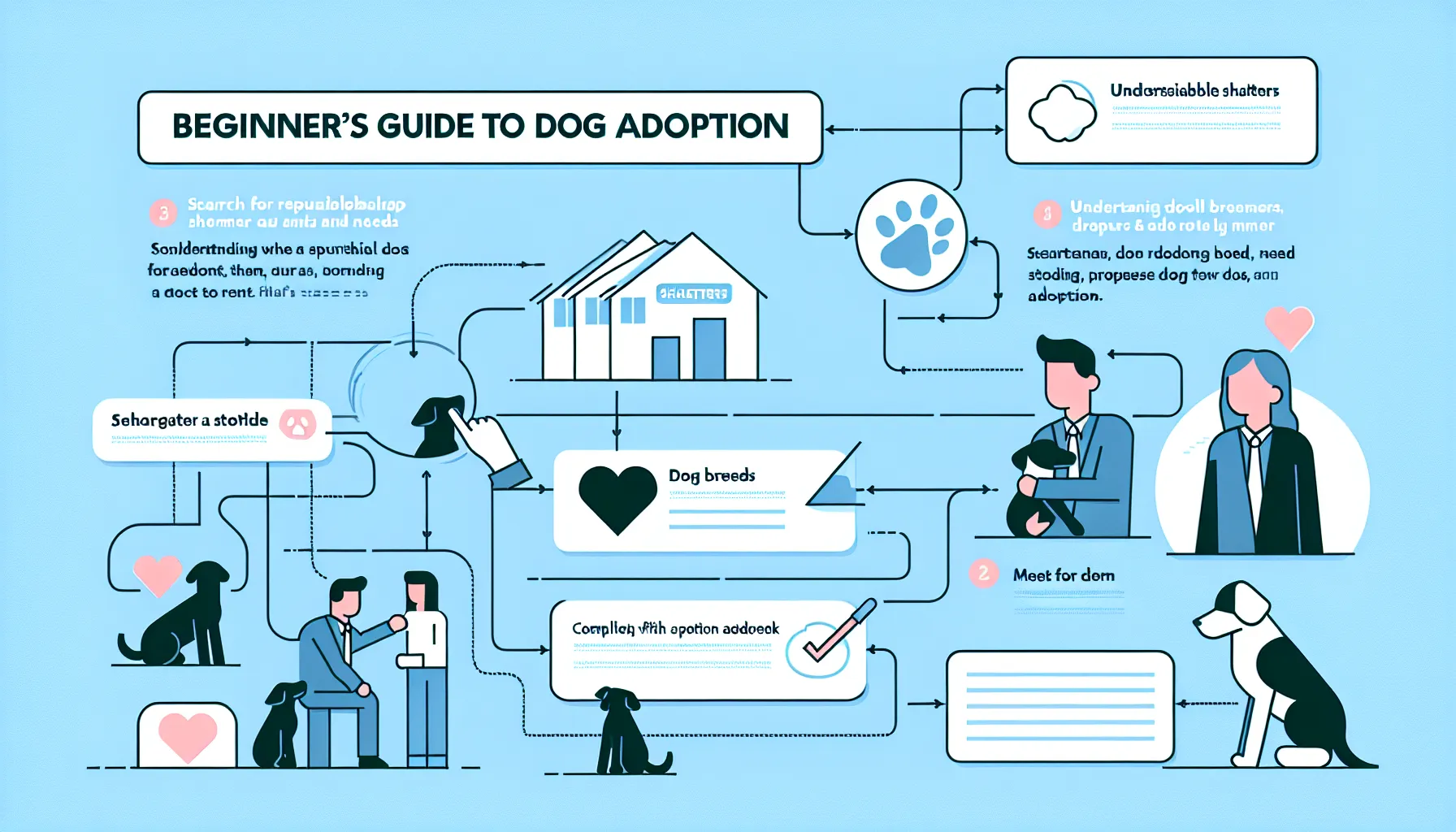
Once you’ve identified the type of dog that fits your lifestyle, understanding the adoption process is the next step. Here’s an overview of the typical steps involved:
Research Local Shelters and Rescue Groups:
- Start by identifying local animal shelters and rescue organizations. Websites like Petfinder.com allow you to view available dogs in your area and filter by breed, age, and size.
Visit Shelters:
- Take time to visit shelters in person. This helps you interact with different dogs and get a sense of their personalities. Some shelters even host adoption events where you can meet multiple dogs at once.
Fill Out an Application:
- When you find a dog you’re interested in, you will need to fill out an adoption application. This may require information about your living situation, experience with pets, and your lifestyle.
Interview and Home Visit:
- Many shelters conduct interviews and may even require a home visit to ensure the environment is suitable for the dog. Be prepared to discuss your plans for training, exercise, and care.
Adoption Fee:
- Be aware that most shelters charge an adoption fee, which often covers initial vaccinations, spaying/neutering, and microchipping. Fees can range from $50 to $300 depending on the shelter and the dog’s age.
Finalize the Adoption:
- Once approved, you’ll complete the necessary paperwork to finalize the adoption. Make sure to ask about the dog’s medical history and any additional resources for training and care.
Prepare Your Home:
- Before bringing your new dog home, ensure you have the necessary supplies, including food, water bowls, a bed, toys, and a leash. It’s essential to create a safe and welcoming environment.
Understanding the adoption process can significantly enhance your experience as a first-time dog owner. By following these steps and considering the factors discussed, you can find a dog that fits perfectly into your life.
Common Breeds Adopted and Their Characteristics
Adopting a dog can often lead to selecting popular breeds known for their compatibility with families and varying lifestyles. Here’s a table of some common breeds and their characteristics:
| Breed | Characteristics |
|---|---|
| Labrador Retriever | Friendly, outgoing, and high energy |
| German Shepherd | Intelligent, loyal, and protective |
| Golden Retriever | Affectionate, friendly, and easy to train |
| Beagle | Curious, friendly, and great with kids |
| Poodle | Intelligent, hypoallergenic, and versatile |
Conclusion
The process of dog adoption requires thoughtful consideration and preparation. By understanding how to choose the right dog and navigating the adoption process effectively, first-time dog owners can create a positive experience for themselves and their new furry friends. For further guidance, consider consulting resources like the ASPCA or the Humane Society for expert advice and support in your dog adoption journey.
First-Time Dog Owner Tips
Adopting a dog is an exciting journey, but it comes with responsibilities that every first-time dog owner should be prepared for. In this section of our dog adoption beginner’s guide, we will cover two key areas: preparing your home and the essential supplies you’ll need to welcome your new furry friend.
Preparing Your Home
Creating a safe environment for your new pet is crucial. Dogs are naturally curious creatures, and they explore their surroundings with their noses and mouths. Therefore, ensuring that your home is dog-proofed can prevent accidents and keep your new companion safe.
Here are some important steps to consider:
- Remove Hazards:
- Store away cleaning supplies, chemicals, and any small items that could be swallowed.
- Keep electrical cords out of reach to avoid chewing.
- Secure Trash Cans:
- Use pet-proof trash cans to prevent your dog from rummaging through potentially harmful items.
- Block Off Dangerous Areas:
- Use baby gates or door closures to keep your dog out of areas that may pose dangers, such as staircases or rooms with fragile items.
- Designate a Safe Space:
- Create a designated area where your dog can relax and feel secure. This might include a cozy bed and some toys.
- Check Your Yard:
- If you have a yard, ensure that fences are high enough and free of gaps to prevent escapes. Remove any toxic plants or harmful substances.
According to the American Society for the Prevention of Cruelty to Animals (ASPCA), many dogs end up in shelters due to preventable accidents in the home. Thus, taking the time to dog-proof your home can significantly reduce these risks (ASPCA).
Essential Supplies
Once your home is ready, it’s time to gather the essential supplies for your new dog. Not having the right items can make the transition challenging for both you and your pet. Here’s a handy list of must-have supplies for new dog owners:
Food and Water Bowls:
- Opt for stainless steel or ceramic bowls that are durable and easy to clean.
- Consider getting a non-slip base to prevent spills.
Quality Dog Food:
- Research and choose a high-quality dog food that meets your dog’s nutritional needs based on their age, size, and breed.
Collar and Leash:
- A sturdy collar that fits properly is essential. Make sure it has an ID tag with your updated contact information.
- A durable leash is necessary for walks and training.
Dog Bed:
- Choose a comfortable bed that suits your dog’s size. Some dogs prefer soft beds, while others may like orthopedic options.
Crate:
- A crate can provide a safe space for your dog and aids in house training. Make sure it is appropriately sized—large enough for your dog to stand up and turn around comfortably.
Toys:
- Interactive toys, chew toys, and fetch toys can keep your dog entertained and mentally stimulated.
Grooming Supplies:
- Depending on your dog’s coat, you might need brushes, grooming gloves, and nail clippers.
Health Essentials:
- Don’t forget to have a basic first-aid kit ready for minor injuries, as well as any medications your vet prescribes.
Training Supplies:
- Consider training pads for puppies or clickers for training. A book or online course on dog training can also be invaluable.
ID and Microchip Information:
- Ensure your dog is microchipped and that you have the necessary information to register it.
Investing in these essential supplies can make your experience as a first-time dog owner much smoother. The American Kennel Club emphasizes that preparation can ease the adjustment period for both you and your new dog (American Kennel Club).
As a first-time dog owner, being well-prepared can set the foundation for a happy and healthy relationship with your new pet. Not only does it help in creating a safe environment, but having the right supplies can also make your transition into dog ownership enjoyable and fulfilling.
Remember, adopting a dog is a long-term commitment, and with the right preparation and resources, you can provide your new friend with a loving and secure home.
Adopting a Dog Advice
When it comes to dog adoption, understanding the nuances of training, socialization, and health is critical for first-time dog owners. This section of the dog adoption beginner’s guide will provide essential insights into these areas, helping you to ensure a smooth transition for both you and your new furry friend.
Training and Socialization
The importance of early training and socialization cannot be overstated. According to the American Kennel Club (AKC), puppies are most receptive to training between 8 and 16 weeks of age. During this critical period, they are more likely to develop positive behaviors and essential social skills. Here are some key points to consider:
Early Training: Start basic commands such as “sit,” “stay,” and “come” as soon as you bring your dog home. Positive reinforcement techniques, such as treats and praise, have proven effective. A recent case study of first-time dog owners highlighted that using clicker training not only improved obedience but also strengthened the bond between the owner and dog.
Socialization: Expose your dog to various environments, people, and other animals. This exposure helps prevent behavioral issues later on. According to the ASPCA, well-socialized dogs are less likely to exhibit fear-based aggression or anxiety.
Group Classes: Consider enrolling your dog in a training class. These classes provide structured learning and socialization opportunities. For example, a recent survey by PetSmart found that 70% of dog owners who participated in group classes reported improved behavior and a better relationship with their pets.
Consistent Routine: Establishing a daily routine for training sessions helps reinforce learning. Aim for short, frequent sessions (about 5-10 minutes) to keep your dog engaged without overwhelming them.
Health and Wellness
Regular health check-ups and vaccinations are vital for your dog’s well-being. As a first-time dog owner, understanding the health requirements for your new pet is essential. Here are the key areas to focus on:
Veterinary Visits: Schedule an initial vet appointment within the first week of adopting your dog. This visit will typically include a full health evaluation, vaccinations, and discussions about spaying or neutering. The American Veterinary Medical Association (AVMA) recommends annual check-ups for adult dogs to monitor their health and catch any potential issues early.
Vaccinations: Ensure your dog receives vaccinations against common diseases such as rabies, parvovirus, and distemper. A study published by the Centers for Disease Control and Prevention (CDC) indicates that timely vaccinations can significantly reduce the risk of infectious diseases in pets.
Parasite Prevention: Regular treatments for fleas, ticks, and heartworms are crucial. Many veterinarians recommend a year-round preventive strategy to keep your dog healthy. According to the Companion Animal Parasite Council, approximately 1 in 10 dogs in the U.S. are infected with heartworms, making preventive measures vital.
Nutrition: Provide a balanced diet tailored to your dog’s age, size, and health needs. Consult with your veterinarian to choose high-quality dog food that meets nutritional standards. Recent trends show that many first-time dog owners are gravitating toward grain-free and organic options, emphasizing the importance of quality nutrition.
Exercise: Regular exercise is essential for keeping your dog physically and mentally stimulated. Aim for at least 30 minutes of exercise daily, which can include walks, playtime, or training exercises.
| Health Aspect | Recommendation |
|---|---|
| Veterinary Visits | Initial check-up within a week, annual thereafter |
| Vaccinations | Timely vaccinations against common diseases |
| Parasite Prevention | Year-round treatments for fleas, ticks, and heartworms |
| Nutrition | Consult veterinarian for tailored diet advice |
| Exercise | Minimum of 30 minutes daily |
For more information on dog health and wellness, consider visiting resources like the American Veterinary Medical Association and the American Kennel Club. These organizations provide valuable insights and support for first-time dog owners.
In summary, using this adopting a dog advice will help you navigate the challenges of early training and health care, ensuring that you and your new pet can thrive together.

Current Trends in Dog Adoption
As the world continues to evolve, so does the landscape of dog adoption. Nowadays, potential pet owners have more resources and innovative platforms at their disposal than ever before. This section of our dog adoption beginner’s guide will explore two key trends: the rise of virtual adoption processes and community engagement initiatives.
Virtual Adoption Processes
In the wake of recent events, many organizations have turned to technology to facilitate dog adoption. Virtual meet-and-greets have become increasingly popular, allowing prospective adopters to interact with dogs before making the commitment to adopt.
Impact of Virtual Meet-and-Greets:
- Organizations such as the ASPCA and Petfinder have implemented virtual meet-and-greet sessions. These sessions allow potential adopters to video chat with shelter staff and interact with animals in real-time, providing a more personal experience than traditional online profiles.
- A study from the American Society for the Prevention of Cruelty to Animals (ASPCA) found that virtual adoption events increased adoption rates by 30% during the pandemic, showcasing the effectiveness of leveraging technology in the adoption process.
Online Adoption Applications:
- Many shelters have introduced comprehensive online application forms that streamline the adoption process. Prospective owners can fill out applications from the comfort of their homes, making it easier than ever to express interest in a dog.
- According to a report by PetSmart Charities, 70% of shelters now utilize digital tools for managing adoption applications, significantly reducing the time from application to adoption.
Community Engagement
Community involvement plays a crucial role in promoting dog adoption. Various programs and initiatives have emerged that not only raise awareness about the benefits of adopting but also create a sense of community among pet owners and enthusiasts.
Local Adoption Campaigns:
- Cities across the U.S. are embracing local campaigns aimed at increasing dog adoption rates. For instance, the “Clear the Shelters” initiative, a collaboration between NBC and local animal shelters, has successfully promoted pet adoptions, resulting in over 250,000 adoptions since its inception in 2015.
- Additionally, events like “Pawtoberfest,” held annually in several cities, gather local communities to celebrate pets while also raising funds and awareness for shelters. These events often feature adoptable dogs, fostering a direct connection between potential adopters and pets in need.
Partnerships with Local Businesses:
- Some shelters are forming partnerships with local businesses to host adoption events. For example, breweries and pet stores are increasingly hosting “yappy hours” or adoption days where patrons can meet adoptable dogs while enjoying refreshments. This not only helps to boost adoption rates but also strengthens community ties.
- A 2022 survey by the Humane Society of the United States indicated that community engagement initiatives can lead to a 40% increase in local adoption inquiries, demonstrating the power of grassroots efforts.
Innovative Adoption Campaigns and Their Impact
The effectiveness of innovative adoption campaigns cannot be overstated. These campaigns often utilize social media platforms to reach a wider audience and engage potential adopters in unique ways.
Social Media Success Stories:
- Organizations have harnessed the power of platforms like Instagram and TikTok to showcase adoptable pets. For instance, the “Doggo of the Day” campaign by the Best Friends Animal Society features daily posts highlighting different dogs, resulting in increased visibility and higher adoption rates.
- A campaign by the Animal Rescue League of Boston utilized TikTok to create engaging, humorous content that showcased the personalities of their adoptable dogs. This approach attracted younger audiences, leading to a 50% increase in adoption inquiries within a month.
Data-Driven Strategies:
- Many shelters are now employing data analytics to refine their adoption strategies. By analyzing trends and preferences, organizations can tailor their marketing efforts to target specific demographics effectively.
- The Petco Foundation has reported that shelters using data-driven approaches have seen a 25% increase in adoptions, emphasizing the importance of understanding the audience.
In conclusion, the landscape of dog adoption is rapidly changing, largely influenced by technological advancements and community efforts. As a dog adoption beginner’s guide illustrates, understanding these current trends can greatly enhance the experience for first-time dog owners. With virtual processes making it easier to connect with potential pets and community initiatives fostering engagement, adopting a dog has never been more accessible.
For more insights into innovative adoption processes and community initiatives, check out the ASPCA and the Humane Society of the United States.
Future of Dog Adoption
As the landscape of dog adoption continually evolves, emerging technologies and changing societal attitudes play significant roles in shaping the future of this process. This section explores how technology is transforming the adoption experience and offers predictions for future trends that will influence prospective dog owners.
Emerging Technologies
The rise of technology has revolutionized how shelters and rescues connect with potential adopters. Here are some key ways technology is enhancing the dog adoption process:
Online Adoption Platforms: Websites like Petfinder and Adopt-a-Pet have become essential tools for shelters. They provide a searchable database of adoptable animals, allowing potential adopters to filter by breed, size, age, and location. As of 2023, Petfinder reported over 14 million animals listed for adoption, showcasing the platform’s extensive reach in helping animals find homes.
Social Media Engagement: Social media platforms play a crucial role in promoting adoptions. Shelters utilize Facebook, Instagram, and TikTok to highlight adoptable dogs through engaging posts, videos, and live streams. According to a study by the ASPCA, 39% of people found their pets through social media, emphasizing the impact of these platforms in raising awareness about available dogs.
Virtual Meet-and-Greets: Many shelters now offer virtual meet-and-greets through video conferencing. This approach allows potential adopters to interact with dogs in a safe environment, especially beneficial during the COVID-19 pandemic. A notable example is the San Francisco SPCA, which reported a significant increase in adoptions after implementing this feature.
Mobile Apps: Adoption apps like BarkBuddy and DogApp have emerged, providing users with tailored recommendations based on their lifestyle and preferences. These apps employ algorithms to match potential adopters with suitable dogs, making the adoption process more efficient and personalized.
Artificial Intelligence: AI is increasingly being used to analyze data on dog behavior and compatibility with potential owners. Systems can assess factors such as activity levels, temperament, and even health conditions, ensuring that adopters find dogs that fit their family dynamics.
Long-term Projections
The future of dog adoption is expected to be shaped by several key trends:
Increased Focus on Inclusivity: As awareness of breed-specific legislation and discrimination grows, more organizations are focusing on promoting the adoption of all breeds, especially those often overlooked. This shift is already evident in campaigns aimed at “pit bull” adoptions, which have historically faced stigma.
Data-Driven Decisions: Adoption organizations are increasingly relying on data analytics to optimize their operations. This includes understanding which breeds are most in demand, the average time dogs spend in shelters, and the demographics of successful adopters. By harnessing this data, shelters can better allocate resources and improve their match rates.
Sustainable Practices: The push for sustainability is also affecting dog adoption. Many shelters are adopting eco-friendly practices, from using biodegradable products to promoting foster programs that reduce the number of animals in shelters. These initiatives not only help the environment but also increase the appeal of shelters to eco-conscious adopters.
Community Engagement: Future trends indicate a heightened focus on community-based initiatives, such as educational programs about responsible pet ownership. By fostering a culture of adoption and care, communities can reduce the number of dogs entering shelters in the first place.
Global Networks: With the rise of international rescue organizations, cross-border adoptions are becoming more common. This trend allows shelters to connect with animals in need from different regions, expanding the pool of adoptable pets and helping to alleviate overcrowding in some areas.
In conclusion, the future of dog adoption is bright, driven by technological advancements and a growing societal commitment to animal welfare. For first-time dog owners navigating the adoption process, staying informed about these trends can provide valuable insights and improve the chances of a successful match.
For more information on the evolving landscape of dog adoption, consider referencing resources from Wired and NPR, which regularly cover advancements in technology and social issues related to animal welfare. As the dog adoption process becomes more accessible and efficient, prospective adopters can look forward to finding their perfect furry companions with greater ease than ever before.
Key Takeaways from Your Dog Adoption Journey
As you embark on your dog adoption journey, it’s essential to recognize both the joy and responsibility that comes with bringing a furry companion into your home. Not only do pets offer unconditional love and companionship, but they also require commitment, care, and training. Nowadays, the significance of responsible pet ownership is greater than ever, and potential adopters must be prepared for the long-term responsibilities associated with their new best friend.
Encouragement to participate in dog adoption is more crucial than ever. Shelters and rescue organizations are filled with loving dogs waiting for a forever home. By choosing to adopt, you not only save a life but also contribute to the larger effort of combating pet overpopulation. Organizations like the ASPCA provide resources and support for those interested in adopting, ensuring that the transition is as smooth as possible for both you and your new pet.
Currently, there are several emerging trends in dog adoption that potential adopters should keep an eye on. One notable trend is the increasing use of technology in the adoption process. Virtual meet-and-greets, online applications, and even mobile apps are streamlining how people connect with adoptable pets. Additionally, the rise of social media as a platform for promoting adoptable animals has made it easier for shelters to reach a wider audience and find homes for their residents.
Another trend to watch is the growing awareness of breed-specific legislation and the push towards adopting mixed breeds. Many potential dog owners are becoming more educated about the benefits of adopting mixed-breed dogs, who often exhibit fewer health issues and unique traits. As a result, shelters are seeing an increase in the adoption of these wonderful companions.
As you reflect on your journey through dog adoption, consider these actionable takeaways:
- Research thoroughly before adopting: Understand the needs and characteristics of various breeds or mixes to find the best match for your lifestyle.
- Be prepared for the long-term commitment: Dogs require time, training, and love to thrive in their new environment.
- Stay informed about your local shelters and adoption events: Engaging with your community can lead to discovering wonderful pets in need of homes.
In conclusion, the journey of dog adoption is a fulfilling adventure filled with both challenges and immense joy. Now is the perfect time to consider adopting a dog and making a positive impact on an animal’s life. For further insights into pet ownership and responsible adoption practices, you might find the information on The Humane Society’s website helpful. Embrace the opportunity to provide a loving home to a deserving dog, and be part of the larger movement that champions animal welfare. Together, we can make a difference, one paw at a time.
Frequently Asked Questions
What are the costs associated with adopting a dog?
Adopting a dog involves several costs beyond the adoption fee, which can range from $50 to $200. Additional expenses include vaccinations, spaying or neutering, food, grooming, and regular veterinary check-ups. You should also budget for emergency medical expenses and supplies like a leash, collar, and bed. Overall, the first year can cost between $1,000 to $2,000, so it’s essential to assess your financial readiness before adopting a dog.
How can I prepare my family for a new dog?
Preparing your family for a new dog involves educating everyone about dog care responsibilities. Discuss roles such as feeding, walking, and training. Create a safe space for the dog in your home, stocked with necessary supplies like food and toys. Involve family members in the adoption process, including visiting shelters together. Setting clear rules and expectations will help the transition be smoother, ensuring a harmonious environment for both the dog and family.
What should I do if my adopted dog has behavioral issues?
If your adopted dog exhibits behavioral issues, first assess the situation to identify triggers. Consistent training and positive reinforcement are essential for correcting unwanted behaviors. Consider consulting a professional dog trainer or behaviorist for tailored guidance. Additionally, ensure your dog gets enough exercise and mental stimulation, as boredom can lead to problem behaviors. Patience and understanding are crucial; it may take time for your dog to adjust and improve.
What should I look for when choosing a dog to adopt?
When choosing a dog to adopt, consider factors like size, energy level, and temperament. Reflect on your lifestyle and how much time you can dedicate to training and exercise. Meet dogs in person to gauge their behavior and compatibility with your family. Research breeds for specific traits, especially if you have children or other pets. Lastly, ask shelter staff about the dog’s history and any special needs to ensure a good match.
How can I help my adopted dog adjust to my home?
To help your adopted dog adjust to your home, establish a consistent routine that includes feeding, walks, and playtime. Create a quiet, comfortable space for your dog to retreat to when feeling overwhelmed. Gradually introduce them to different areas of your home and family members. Be patient and give your dog time to explore and adapt. Positive reinforcement will encourage good behavior, fostering a sense of security and belonging in their new environment.
What are the benefits of adopting a dog?
Adopting a dog provides numerous benefits, including companionship, emotional support, and increased physical activity through walks and play. It can also improve mental health by reducing stress and anxiety. Additionally, adopting a dog saves a life and helps combat pet overpopulation. You also gain a loyal friend who can enrich your family’s life with love and joy. Overall, adoption leads to a fulfilling relationship for both you and your new furry family member.
How long does it usually take for a dog to adjust after adoption?
The adjustment period for a newly adopted dog can vary widely, generally taking anywhere from a few days to several weeks. Factors such as the dog’s previous experiences, age, and personality influence how quickly they adapt. During this time, it’s crucial to provide a stable routine, consistent training, and plenty of love and patience. Some dogs may take longer to feel comfortable, so being understanding of their needs will help facilitate a smoother transition.