
Encouraging Good Cat Behavior: Effective Training Tips for Positive Reinforcement
Discover effective cat training tips and positive reinforcement methods to encourage good cat behavior and enhance your feline

25 min read
Getting Started with Cat Behavior Training
Did you know that recent studies show that over 70% of cat owners report struggling with their pets’ behavioral issues at some point? This statistic highlights a prevalent challenge faced by many cat enthusiasts today. As our understanding of feline psychology evolves, so too does our approach to encouraging good cat behavior. In recent times, the emphasis has shifted toward positive reinforcement techniques, proving to be not only effective but also enriching for both cats and their owners.
In this article, we’ll explore how to train a cat effectively by focusing on the importance of encouraging good cat behavior through comprehensive training strategies. The role of positive reinforcement for cats cannot be overstated; it fosters a trusting relationship and nurtures a happy environment. We will also provide you with practical cat training tips that can be easily integrated into your daily routine.
- Understanding the importance of encouraging good cat behavior
- The role of positive reinforcement in training
- Overview of effective training methods and insights
By adopting these methods, you will not only address behavioral issues but also enhance the bond you share with your feline companion. According to the ASPCA, positive reinforcement is a key element in shaping desirable behaviors in pets, making it a cornerstone of modern cat training practices.
Throughout this guide, we will delve into various training techniques, drawing upon insights from animal behaviorists and trainers. Whether your cat is a rambunctious kitten or a more seasoned feline, there are effective strategies to help you navigate their behaviors. We will discuss practical applications to integrate into your daily interactions, ensuring that both you and your cat enjoy the rewarding process of training.
Join us as we embark on this journey to transform your cat’s behavior while creating a harmonious home environment. With the right approach, patience, and understanding, you can turn any challenging behavior into a positive experience. Let’s get started on encouraging good cat behavior today!
The Basics of Cat Behavior
Understanding how to encourage good cat behavior begins with a fundamental grasp of feline psychology and an awareness of common behavioral issues that may arise. This section delves into the innate behaviors of cats and how these can be managed through effective training techniques.
Understanding Feline Psychology
Cats are complex creatures driven by instinct and environmental factors. Their behaviors often stem from survival mechanisms that have evolved over thousands of years. To effectively encourage positive behavior in cats, it is essential to recognize their natural instincts and how these manifest in a domestic setting.
- Instinctual Behaviors:
- Hunting: Even well-fed house cats retain a strong hunting instinct. They may engage in pouncing, stalking, and other play behaviors that mimic hunting.
- Scratching: Scratching is crucial for a cats physical and mental health; it helps them mark territory, sharpen claws, and stretch their bodies.
- Grooming: Cats spend a significant amount of time grooming themselves. This behavior is not only about cleanliness but also about comfort and stress relief.
Recognizing these instinctual behaviors allows owners to provide appropriate outlets for their cats, thus reducing unwanted behaviors such as scratching furniture. For example, instead of scolding a cat for scratching the couch, providing a designated scratching post can redirect this natural urge in a constructive way.
Common Behavioral Issues
Despite their charming demeanor, cats can exhibit a range of behavioral issues that may frustrate their owners. Understanding these issues is the first step in developing effective training approaches. Some common problems include:
- Scratching: Cats may scratch furniture or walls if they do not have suitable alternatives. Providing scratching posts or pads can effectively redirect this behavior.
- Litter Box Problems: Inappropriate elimination can stem from stress, illness, or dissatisfaction with the litter box environment. Ensuring cleanliness and the right type of litter is essential.
- Aggression: Aggressive behaviors can be a result of fear, territorial disputes, or overstimulation. Identifying triggers and providing a safe environment can mitigate aggression.
- Excessive Meowing: Some cats may vocalize excessively due to boredom, anxiety, or a need for attention. Engaging them in play or providing mental stimulation can help reduce this behavior.
Recognizing Signs of Stress or Anxiety in Cats
Stress and anxiety can significantly impact a cats behavior. It is crucial for cat owners to recognize signs that indicate their pet may be experiencing distress. Some common indicators include:
- Hiding or withdrawing from social interaction
- Excessive grooming or fur pulling
- Changes in eating or litter box habits
- Aggression towards people or other pets
By being vigilant and responsive to these signs, cat owners can take proactive steps to alleviate their pet’s stress. For instance, creating a calm environment with safe spaces and enriching activities can foster a sense of security, ultimately encouraging good cat behavior.
Case Study: The Effectiveness of Positive Reinforcement for Cats
Recent studies have shown that positive reinforcement techniques are highly effective in training cats. According to a research article published in the Journal of Veterinary Behavior, cats trained with positive reinforcement methods, such as treats or praise, exhibited marked improvements in desired behaviors compared to those trained using negative reinforcement.
- Positive Reinforcement Techniques:
- Use of treats to reward desired behaviors, such as using a scratching post instead of furniture.
- Verbal praise or affection when the cat engages in appropriate behaviors.
- Clicker training to mark and reward specific actions.
By incorporating these techniques into daily interactions, owners can foster a more positive relationship with their cats, leading to improved behavior and a more harmonious home environment.
In summary, understanding feline psychology and addressing common behavioral issues through effective training and positive reinforcement can significantly encourage good cat behavior. By recognizing instinctual needs and providing suitable outlets, cat owners can create a supportive environment that enhances their pets well-being.
For further insights into cat behavior and training techniques, consider exploring resources from the American Association of Feline Practitioners and The Humane Society of the United States.
Positive Reinforcement Techniques
Positive reinforcement is a critical component in training cats effectively. It involves rewarding desired behaviors to increase the likelihood of those behaviors being repeated in the future. Understanding and implementing positive reinforcement can lead to a more harmonious relationship between you and your feline companion.
What is Positive Reinforcement?
Positive reinforcement is a behavioral training technique that focuses on providing a reward following a desired behavior. This could include treats, praise, or playtime. The goal is to encourage good cat behavior, making it more likely for the cat to repeat the action that led to the reward.
Research shows that animals, including cats, respond more favorably to positive reinforcement compared to punishment. According to a study published in the journal Animal Cognition, cats trained using positive reinforcement methods exhibited less stress and aggression than those trained with aversive techniques (source: ScienceDirect).
How to Implement It Effectively
Implementing positive reinforcement effectively requires a clear understanding of timing, consistency, and the types of rewards to use. Here are some practical tips:
- Use Treats Wisely:
- Offer small, tasty treats that your cat enjoys. Opt for high-value rewards like freeze-dried chicken or commercial cat treats.
- Ensure the timing of the treat is immediategive the reward right after the desired behavior occurs. This helps the cat associate the behavior with the reward.
- Praise and Affection:
- Verbal praise can be just as effective as treats. Use a cheerful tone to praise your cat immediately after they exhibit good behavior.
- Combine verbal praise with petting or scratching in their favorite spots to reinforce the behavior.
- Incorporate Play:
- Use interactive toys like feather wands or laser pointers as rewards. Engaging your cat in play can create a positive association with the behavior you want to encourage.
- Schedule playtime right after your cat uses the litter box or engages in another desired behavior.
- Be Consistent:
- Consistency is key in reinforcing good behavior. Ensure all family members use the same cues and rewards to avoid confusing your cat.
- Maintain a regular schedule for training sessions to establish routine and expectations.
- Monitor Timing:
- Timing is crucial for effective reinforcement. Aim to reward your cat within seconds of the desired behavior to create a strong connection between the action and the reward.
- Avoid long delays; if you wait too long, your cat may not associate the reward with the behavior you intended to reinforce.
Examples of Positive Reinforcement in Action
Using the Litter Box: Rewarding your cat immediately after they use the litter box can reinforce this essential behavior. This may involve giving them a treat or engaging them in a short play session. Over time, your cat will associate using the litter box with positive experiences.
Scratching the Right Surface: If your cat uses their scratching post instead of the furniture, offer praise and a treat right afterward. This encourages them to continue using the scratching post for their scratching needs.
Obeying Commands: If your cat responds to a command (like “sit” or “come”), immediately reward them with a treat or affection. This not only reinforces the behavior but also strengthens your bond.
Key Takeaways
Implementing positive reinforcement techniques can significantly enhance your cat training efforts. Here are some key takeaways:
- Reward immediately after the desired behavior to strengthen the association.
- Use a variety of rewardstreats, praise, and playto keep your cat engaged.
- Consistency in approach will lead to more effective training outcomes.
By focusing on positive reinforcement for cats, you can encourage good cat behavior and foster a deeper connection with your feline friend. For more insights on animal behavior and training techniques, you can explore resources from The Humane Society or Animal Behavior College.
In conclusion, positive reinforcement is not just about training; its about creating a nurturing environment that supports the natural behavior of your cat. As recent findings suggest, a positive approach leads to happier, healthier pets and more fulfilling relationships between cats and their owners.
For further reading on behavioral science related to pets, consider checking out Harvard’s research on animal behavior which offers deeper insights into the principles of training and reinforcement.
Training Methods for Encouraging Good Behavior
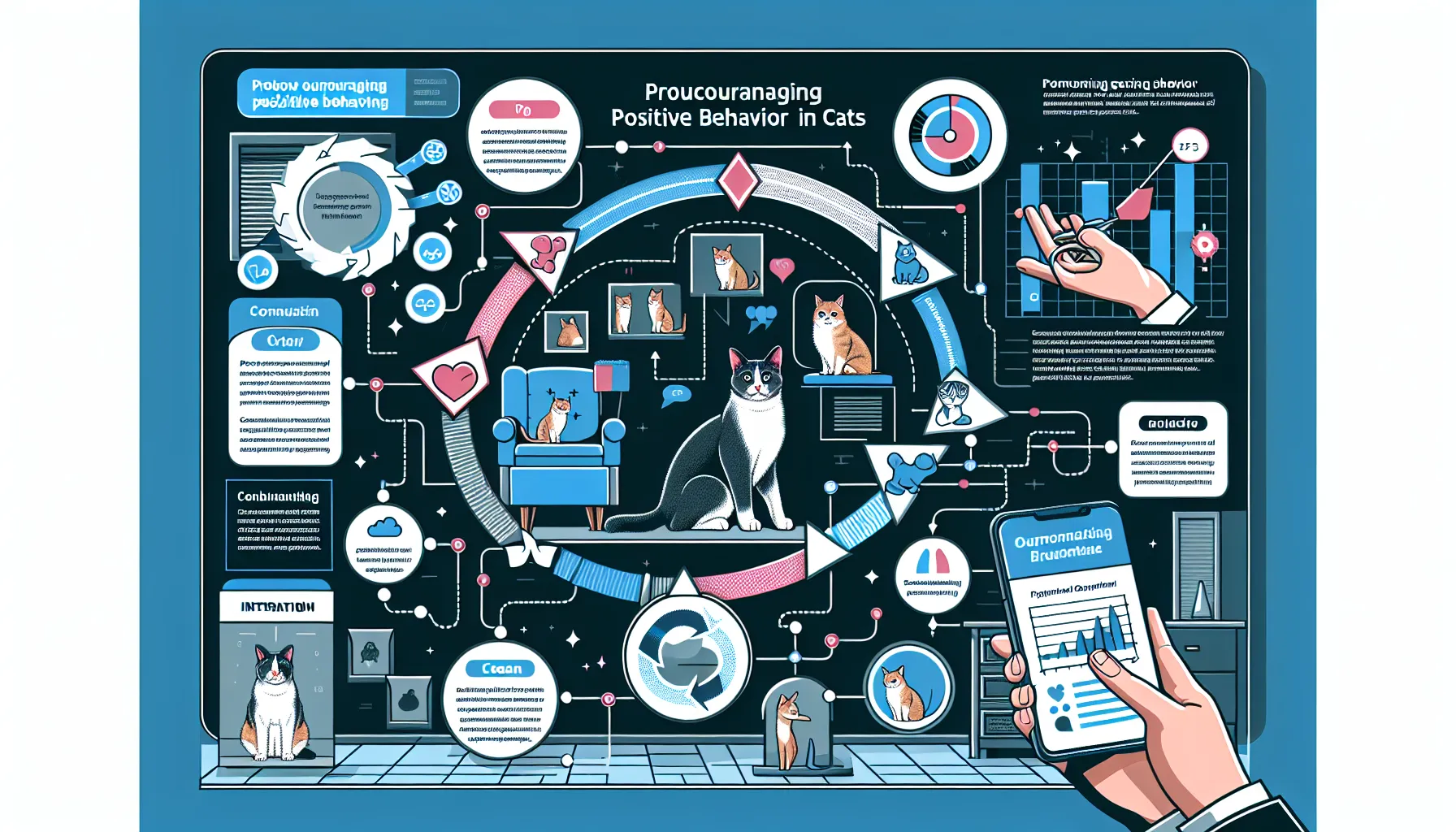
When it comes to encouraging good cat behavior, effective training methods are essential. Two popular techniques that have gained traction among cat owners are clicker training and target training. These methods utilize positive reinforcement for cats, creating a rewarding environment for both the pet and the owner.
Clicker Training
Clicker training is a method that enhances communication between a cat and its owner. This technique uses a small device that makes a distinct clicking sound to mark desired behaviors. The sound of the clicker is followed by a reward, typically a treat or praise, reinforcing the behavior you want to encourage.
How Clicker Training Works
Introduce the Clicker: Begin by allowing your cat to get familiar with the clicker. Click the device and immediately provide a treat. This establishes a positive association with the sound.
Marking Behavior: Once your cat understands that a click equals a treat, you can start marking specific behaviors. For example, if you want to teach your cat to sit, wait until it naturally sits down. Click when it does, and then offer a treat.
Repetition: Consistency is key. Repeat the process several times in short sessions. Cats have short attention spans, so aim for 5-10 minutes of training at a time.
Gradual Progression: As your cat begins to sit on command, you can phase out the treats, replacing them with verbal praise or affection.
Example: Teaching Your Cat to Sit
Imagine you want to teach your cat named Whiskers to sit. You would:
- Click when Whiskers sits, followed by a treat.
- Repeat this several times until Whiskers sits consistently after hearing the command “Sit.”
- Gradually reduce treats, rewarding with praise instead.
Research indicates that positive reinforcement can significantly improve the learning rate in pets. A study conducted by the University of California, Davis, found that animals trained with positive reinforcement techniques performed better on tasks compared to those trained with aversive methods.
Target Training
Target training is another effective method for redirecting unwanted behaviors. In this technique, you teach your cat to touch a specific object, such as a stick or your hand, with its nose or paw. This can help redirect attention away from undesirable behaviors.
How Target Training Works
Introduce the Target: Start by showing your cat a target, such as a stick or your hand. When your cat touches it, immediately click and reward.
Encourage Repeated Touching: Gradually encourage your cat to touch the target multiple times, reinforcing each successful attempt with a click and treat.
Use the Target for Redirection: Once your cat understands the target, use it to redirect unwanted behaviors. For instance, if your cat is scratching furniture, you can guide it to touch the target instead.
Benefits of Target Training
- Redirect Unwanted Behavior: By giving your cat an alternative focus, you can redirect frustrating behaviors.
- Enhance Engagement: Target training keeps your cat mentally stimulated, which can reduce boredom-related issues.
Current Trends and Expert Insights
According to a recent survey conducted by the American Association of Animal Behaviorists, over 70% of cat owners reported using some form of positive reinforcement in their training methods. This shift towards positive reinforcement techniques aligns with current trends in animal training, emphasizing humane and effective ways to encourage good behavior in pets.
Experts in the field highlight the importance of patience and consistency in cat training. Dr. Jennifer Coates, a veterinarian and pet care expert, emphasizes, “Positive reinforcement not only improves behavior but also strengthens the bond between the cat and the owner.”
Summary
In conclusion, implementing clicker and target training methods can significantly enhance your ability to encourage good cat behavior. These techniques promote positive reinforcement for cats, making the training process enjoyable and effective. By focusing on communication and engagement, you can cultivate a well-behaved feline companion.
For more insights on pet training, check out these resources:
- American Association of Animal Behaviorists
- PetMD on Training Cats
- The Humane Society on Positive Reinforcement
Utilizing these methods not only helps in training your cat but also fosters a loving and respectful relationship. Start today, and you may find that your cat learns faster than you ever imagined!
Current Trends in Cat Training
In recent years, the landscape of cat training has evolved significantly, driven by a growing understanding of feline behavior and well-being. This section explores two prominent trends: holistic approaches to cat training and the integration of technology into training practices. Both methods are gaining traction among cat owners who seek to encourage good cat behavior while fostering a deeper bond with their pets.
Natural and Holistic Approaches
The increasing awareness of holistic methods for cat well-being reflects a broader trend in pet care that prioritizes natural solutions over conventional ones. Holistic cat training focuses on understanding the cat’s emotional and physical needs, promoting an environment that encourages positive behavior.
- Benefits of Holistic Approaches:
- Behavioral Understanding: Holistic training emphasizes understanding a cat’s natural instincts and behaviors, allowing owners to respond effectively.
- Stress Reduction: By creating a calm and enriching environment, owners can reduce anxiety in their cats, leading to better behavior. Studies have shown that stress can exacerbate behavioral issues in pets, making a peaceful home essential for positive training outcomes.
- Natural Remedies: Many pet owners are turning to natural supplements and pheromone diffusers, like Feliway, which can help in managing anxiety and encouraging good behavior.
Recent data from a survey conducted by the American Pet Products Association (APPA) indicates that nearly 65% of cat owners are exploring holistic options for training and behavior management, reflecting a shift towards more compassionate practices in pet care.
Technology in Training
The rise of technology has made significant strides in the realm of cat training. Innovative apps and devices are now available that help track and improve training progress. These tools provide cat owners with the resources they need to effectively train their cats while making the process more interactive and engaging.
Apps for Monitoring Progress:
Pawtrack: A GPS collar specifically designed for cats that not only tracks location but can also gather data about their activity levels and behaviors.
Cat Care: This app allows owners to log their cat’s behaviors, track training sessions, and note any changes in behavior over time. This data can be invaluable for identifying patterns and adjusting training methods accordingly.
Smart Devices:
Pet Cameras: Devices like Furbo allow owners to monitor their cats remotely, providing insights into their behavior when left alone. This can help identify triggers for negative behaviors and adjust training strategies.
Interactive Toys: Toys that respond to a cat’s movements, like the PetSafe SlimCat, can be used to reward positive behavior through play, reinforcing the connection between training and fun.
Recent statistics from a report by Statista indicate that the global pet tech market is expected to reach $24 billion by 2025, highlighting the increasing investment in technology that supports pet training and care.
Case Studies and Expert Insights
Several case studies illustrate the effectiveness of combining holistic methods with technology in cat training:
Case Study: Holistic Approach: A study published by the Journal of Feline Medicine and Surgery highlighted a shelter that implemented a holistic training program focusing on feline behavior. They reported a 30% increase in adoptions and a 40% reduction in behavioral issues post-adoption, showcasing the success of holistic methods in real-world settings.
Expert Insight: Dr. John Wright, a veterinary behaviorist, states, “Incorporating both natural and technological methods in cat training not only improves the learning process but also deepens the bond between the pet and owner. Understanding a cat’s unique needs is crucial for effective training.”
The fusion of natural and technology-driven methods represents a comprehensive approach to training that caters to the unique needs of cats and their owners. As these trends continue to grow, cat owners can look forward to more effective and enriching ways to encourage good cat behavior.
For those interested in exploring these trends further, valuable resources can be found on The Guardian’s technology section for insights into tech innovations in pet care, and Harvard’s research on animal behavior which provides academic perspectives on holistic approaches.
In conclusion, the future of cat training lies in the integration of holistic methods and technology. This dual approach not only enhances the training experience but also promotes a healthier, happier life for cats and their owners alike.

Future Projections in Cat Training
As the field of feline behavior research continues to evolve, we are witnessing significant advancements that could shape the way we think about encouraging good cat behavior. This final section explores emerging research in feline cognition and behavior, as well as the role of artificial intelligence (AI) and technology in enhancing cat training techniques.
Emerging Research in Feline Behavior
Recent studies emphasize the importance of understanding feline cognition, which is crucial for developing effective cat training tips. Researchers are exploring various aspects of how cats think and learn, leading to new insights that can refine existing training methods. For example:
Cognitive Abilities: A study published in the journal Animal Cognition found that cats possess a level of problem-solving skills previously thought to be exclusive to dogs and primates. This suggests that cats can be trained using methods that engage their intelligence. Researchers noted that cats can learn through observation and mimicry, indicating that positive reinforcement for cats can be even more effective when owners model desired behaviors.
Emotional Recognition: Recent findings indicate that cats can recognize human emotions, allowing for a more personalized approach to training. Understanding a cat’s emotional state can enhance the effectiveness of positive reinforcement techniques. For instance, if a cat is anxious or fearful, adjusting the training environment or approach can lead to better outcomes.
Impact of Socialization: Studies have shown that early socialization can significantly influence a cat’s behavior throughout its life. Cats that are exposed to various stimuli and experiences during their formative weeks tend to adapt better to training and new environments. This highlights the importance of starting training early and using positive reinforcement methods to encourage desirable behaviors.
The Role of AI and Technology
Technological advancements are paving the way for innovative tools that can help pet owners in cat training. With AI playing a central role, we can expect more personalized training plans that cater to individual cat behaviors. Here are some ways AI and technology are influencing cat training:
Predictive Algorithms: Emerging applications utilize predictive algorithms to suggest optimal training methods based on a cat’s unique behavior patterns. For instance, an app could analyze a cat’s responses to various stimuli and recommend specific techniques or rewards that have proven successful for similar behavioral traits. This data-driven approach allows owners to tailor their training strategies effectively.
Wearable Technology: Devices like smart collars equipped with sensors can monitor a cat’s activity levels, stress indicators, and even emotional states. This information enables owners to adjust their training methods in real time, ensuring that positive reinforcement strategies align with the cat’s current mood and physical condition.
Virtual Reality (VR) Training: While still in its infancy, the concept of using VR to simulate environments for training purposes is on the horizon. This could provide a safe space for cats to experience new situations or challenges, encouraging good cat behavior without the risks associated with real-world exposure.
Conclusion
As we look toward the future of cat training, it is clear that a blend of emerging research and technological innovations will play a pivotal role in shaping how we encourage good cat behavior. By utilizing positive reinforcement techniques informed by the latest findings in feline cognition and behavior, along with the assistance of AI tools, cat owners can develop personalized training plans that cater to their pets’ unique needs.
Continued research is essential for understanding the complexities of feline behavior. The integration of technology into training practices not only enhances the effectiveness of positive reinforcement for cats but also fosters a deeper bond between pet owners and their feline companions.
For more insights into advancements in pet training and behavior, you can explore the following resources:
- Nature.com for in-depth studies on animal cognition.
- The Guardian’s technology section for updates on how tech is revolutionizing pet care.
- MIT.edu for innovative research on AI applications in everyday life.
By staying informed and embracing new developments, cat owners can become more adept trainers, ensuring their feline friends lead happy, well-adjusted lives.

Key Takeaways on Encouraging Positive Cat Behavior
In conclusion, the journey of fostering positive behavior in cats is grounded in understanding their unique needs and responses. Currently, the most effective method for training cats continues to be positive reinforcement, which not only helps in modifying behavior but also strengthens the bond between you and your feline companion. By rewarding desirable actions with treats, praise, or play, you create a nurturing environment that encourages your cat to repeat those behaviors.
At present, regular and consistent training sessions are crucial for reinforcing these positive behaviors. Engaging with your cat in a structured manner not only facilitates learning but also enhances your relationship, making it more rewarding for both parties. When you dedicate time to train your cat, you provide them with mental stimulation and a sense of security, which are essential for their overall well-being.
Looking ahead, emerging trends indicate a shift towards more personalized and tech-driven training methods. Technologies such as interactive toys and mobile apps are being developed to cater to individual cat personalities and learning styles. These innovations promise to make training more engaging and effective, allowing cat owners to track progress and adapt strategies in real-time. For those interested in exploring these advancements, resources like the PetMD’s pet training insights can provide valuable information on modern training tools.
Moreover, as the understanding of animal behavior deepens, future training methodologies are likely to incorporate elements from behavioral science, enhancing the effectiveness of established techniques. The integration of artificial intelligence in pet care could personalize experiences even further, tailoring training sessions to individual cats based on their responses and preferences. This is an exciting frontier in pet training that cat owners should keep an eye on.
To actively encourage positive behavior in your cat, start incorporating small, consistent training sessions into your daily routine. Use a variety of rewards to keep your cat engaged, and dont hesitate to explore new tools and techniques as they become available. For additional resources, consider checking out the Humane Society’s training tips, which offer a wealth of information to enhance your training efforts.
As we move forward, remember that patience and understanding are key. By fostering a positive environment and utilizing effective training methods, you can cultivate a happy, well-behaved cat. So take action todaystart your training journey and witness the incredible bond that develops as you encourage positive behavior in your cherished feline friend.
Frequently Asked Questions
What are the best rewards for training my cat?
The best rewards for training your cat include treats, praise, and playtime. Treats should be small, tasty, and healthy, ensuring they are something your cat loves. Verbal praise, such as a cheerful tone or petting, can reinforce positive behavior. Additionally, engaging your cat in a favorite game or using interactive toys can serve as an effective reward. Remember to reward immediately after your cat exhibits the desired behavior to create a strong association between the action and the reward.
How long does it take to train a cat?
Training a cat typically takes time and patience, with visible results often seen within a few weeks. However, the exact duration can vary based on the cat’s personality, age, and the complexity of the behaviors being taught. Consistent short training sessions of about 5-10 minutes each day are more effective than longer sessions. Remember, every cat is unique; some may pick up new behaviors quickly, while others may require more time and encouragement to learn.
Can negative reinforcement be used in cat training?
While some trainers may consider using negative reinforcement, it is generally not recommended for cats. This method can lead to fear, anxiety, and a breakdown of trust between you and your pet. Instead, focus on positive reinforcement techniques, which are more effective in encouraging desired behaviors. Positive approaches create a safe environment where your cat feels comfortable and motivated to learn. Building a strong bond through kindness is essential for successful cat training.
What are some effective training techniques for cats?
Effective training techniques for cats include clicker training, lure-and-reward methods, and consistency in commands. Clicker training involves using a clicker to mark desired behaviors, followed by a reward. Lure-and-reward techniques use treats to guide your cat into performing an action. Consistency is key; use the same commands and signals each time to avoid confusion. Patience and short sessions will keep your cat engaged and more likely to learn. Always end on a positive note to reinforce good behavior.
How can I discourage unwanted behaviors in my cat?
To discourage unwanted behaviors in your cat, use redirection, environmental modifications, and positive reinforcement for alternative behaviors. For example, if your cat scratches furniture, provide a scratching post nearby and reward them for using it. Removing temptations or providing alternative outlets for their energy can help too. Avoid punishment, as it can create fear and stress. Instead, focus on guiding your cat toward acceptable actions and reinforcing those with rewards to cultivate a positive environment.
Is clicker training effective for cats?
Yes, clicker training is highly effective for cats! This method utilizes a clicker to mark desired behaviors, followed by a reward, creating a clear association. Cats quickly learn that the sound of the click means they did something right, leading to faster learning. It’s a positive reinforcement technique that helps build trust and strengthens the bond between you and your cat. Start with simple commands and gradually progress to more complex tricks. Consistency and patience will yield the best results.
What should I do if my cat isnt responding to training?
If your cat isnt responding to training, consider adjusting your approach. Ensure you’re using high-value rewards that motivate your cat. Shorten training sessions to keep them engaged and avoid boredom. Additionally, evaluate the environment; distractions may hinder focus. Its also crucial to be patient, as every cat learns at its own pace. If necessary, consult a professional trainer who specializes in positive reinforcement techniques to help tailor a training plan that suits your cats unique personality.
How can I make training a fun experience for my cat?
Making training fun for your cat involves incorporating play, variety, and positive interactions. Use engaging toys and create playful scenarios that encourage your cat to participate. Keep sessions short and lively to maintain interest. Additionally, change up the rewards to keep things exciting; use different treats or toys to surprise your cat. Always end on a positive note, celebrating successes with affection and playtime, which reinforces the idea that training is a fun and beneficial experience.