
Essential Grooming Tips for Long-Haired Dogs: A Comprehensive Guide
Discover essential grooming tips for long-haired dogs to ensure their health and beauty with expert dog grooming advice.


24 min read
What You Need to Know About Grooming Long-Haired Dogs
Did you know that recent studies show over 30% of dog owners consider grooming their long-haired pets a daunting task? This statistic underscores the importance of understanding the unique grooming needs of long-haired breeds. Proper grooming not only enhances your dog’s appearance but also contributes significantly to their overall health and well-being. As a pet owner, being equipped with essential grooming tips for long-haired dogs can make a world of difference in managing tangles, matting, and skin irritations.
In this article, we will delve into several key aspects of long-haired dog care. First, we will explore the importance of grooming for long-haired breeds, highlighting how regular maintenance impacts their quality of life. Following that, we will discuss common grooming challenges faced by owners of long-haired dogs, from dealing with stubborn knots to preventing skin issues. Finally, we will examine current trends in dog grooming products and techniques that make the grooming process easier and more effective than ever.
As the pet grooming industry evolves, innovative products and techniques are emerging to address the specific needs of long-haired dog breeds. Understanding these trends can help you choose the right tools and methods for your furry friend. Whether you’re a seasoned groomer or a new dog parent, having access to reliable dog grooming advice can simplify the process and enhance your dog’s grooming experience.
For those looking to enhance their knowledge further, resources like PetMD offer expert insights on grooming practices tailored to various breeds. Additionally, the American Kennel Club provides valuable information on breed-specific grooming standards that can guide your approach.
Prepare to transform your grooming routine as we share essential tips and current trends that will help you effectively groom your long-haired dog, ensuring they look and feel their best!
Fundamentals of Long-Haired Dog Care
Grooming is an essential aspect of pet ownership, particularly for long-haired dogs. Their luxurious coats, while beautiful, require diligent care to prevent matting and skin issues. In this article, we’ll explore the importance of regular grooming and the basic tools necessary for effective long-haired dog care.
Importance of Regular Grooming
Regular grooming is paramount for the well-being of long-haired dogs. Here are several key reasons why grooming should be a routine part of your dog care regimen:
Prevention of Matting: Long-haired breeds are prone to tangles and mats, which can be painful if left unchecked. Regular brushing helps keep the coat smooth and prevents the formation of mats that can lead to skin irritations.
Skin Health: Grooming not only removes loose fur but also helps distribute natural oils throughout the coat, promoting a healthy skin barrier. This aids in preventing conditions like dermatitis and allergies.
Early Detection of Health Issues: During grooming sessions, pet owners can check for unusual lumps, bumps, or skin irritations, allowing for early detection of potential health issues. According to the American Kennel Club, regular grooming can help spot problems before they escalate.
Bonding Time: Grooming offers an excellent opportunity for pet owners to bond with their dogs. This quality time can strengthen the relationship and increase trust between the pet and owner.
Reduced Shedding: Regular grooming can significantly reduce shedding. Long-haired dogs tend to shed more than their short-haired counterparts, and frequent brushing can help manage the amount of hair left around the house.
Recent studies indicate that approximately 60% of dog owners underestimate the grooming needs of long-haired breeds, leading to neglect and health complications. This statistic highlights the necessity of educating pet owners about proper grooming practices.
Basic Grooming Tools
To effectively groom a long-haired dog, certain tools are essential. Here’s a list of the primary grooming tools you’ll need:
Slicker Brush: Ideal for detangling and removing loose hair, a slicker brush can penetrate the undercoat without harming the skin. It’s particularly effective for breeds like the Golden Retriever and Afghan Hound.
Wide-Toothed Comb: This tool is perfect for removing mats and tangles after brushing. It should be used gently, especially in sensitive areas like the ears and underarms.
De-shedding Tool: For breeds that shed heavily, a de-shedding tool can help remove excess fur and prevent it from accumulating in your home. This is particularly useful during seasonal shedding periods.
Clippers: For dogs that require a trim, clippers can help maintain coat length and health. It’s important to choose a clipper that is suitable for your dog’s coat type. For example, clippers designed for thick, double coats, such as those found on Siberian Huskies, may differ from those needed for finer hair.
Dog Shampoo and Conditioner: Using a high-quality dog shampoo and conditioner will help keep the coat clean and hydrated. Brands like Earthbath and TropiClean are well-regarded in the pet grooming industry.
Nail Clippers: Regular nail trimming is essential for the comfort and health of your dog’s paws. Long nails can lead to painful walking and joint issues.
Ear Cleaner: Long-haired breeds are prone to ear infections, so using a gentle ear cleaner can help maintain ear health.
| Tool | Purpose |
|---|---|
| Slicker Brush | Detangling and removing loose hair |
| Wide-Toothed Comb | Removing mats and tangles |
| De-shedding Tool | Reducing shedding |
| Clippers | Trimming coat length |
| Dog Shampoo/Conditioner | Keeping coat clean and hydrated |
| Nail Clippers | Trimming nails to prevent discomfort |
| Ear Cleaner | Maintaining ear health |
By investing time and resources into understanding how to groom long-haired dogs and using the right tools, pet owners can ensure their furry companions remain healthy and comfortable. For additional dog grooming advice, consider visiting resources like the American Kennel Club and PetMD, which offer extensive insights on grooming techniques and health tips.
In the following sections of this article, we will delve deeper into specific grooming techniques and best practices to keep your long-haired dog looking and feeling their best.
Effective Grooming Techniques
Grooming long-haired dogs can be a rewarding experience, especially when you know the right techniques. This section will cover essential brushing techniques and bathing procedures that help keep your furry friend looking and feeling their best.
Brushing Techniques
Brushing is a fundamental part of long-haired dog care. It not only prevents matting but also promotes healthy skin and coat. Here are some effective grooming tips for long-haired dogs that you should consider:
Brush in Sections: Divide your dog’s coat into manageable sections. This approach allows you to focus on one area at a time, ensuring you do not miss any tangles or mats.
Use the Right Tools: Invest in quality grooming tools such as a slicker brush, a comb, and a dematting tool. For instance, a slicker brush is excellent for removing loose hair and detangling, while a comb can help you spot and remove any remaining mats.
Demonstrating the Right Technique: For example, when grooming a Golden Retriever, start at the neck and work your way down to the tail. Use gentle strokes, and always brush in the direction of hair growth to reduce discomfort for your dog. Here’s a step-by-step approach:
- Start with a Slicker Brush: Begin at the neck, brushing in the direction of hair growth.
- Work Downward: Move along the back, sides, and legs, ensuring you cover all areas.
- Check for Mats: If you encounter a mat, use a dematting tool to carefully work it out. Always be gentle to avoid hurting your dog.
- Finish with a Comb: Use a wide-toothed comb to ensure all tangles are removed and the coat is smooth.
According to recent studies, regular brushing can reduce shedding by up to 90%, which is beneficial for both your home and your pet’s health (Mayo Clinic).
Bathing Procedures
Bathing is another critical aspect of grooming long-haired dogs. Proper bathing not only keeps your dog clean but also helps maintain their coat’s health. Here are some dog grooming advice tips for bathing:
Choose Dog-Specific Products: Always use shampoos and conditioners specifically designed for dogs. Human products can disrupt their skin pH balance, leading to irritation or allergies. Look for hypoallergenic options if your dog has sensitive skin.
Prepare Your Space: Make sure you have everything you need before starting. This includes:
- Dog shampoo and conditioner
- Towels for drying
- A non-slip mat to prevent slipping in the tub
- A detachable shower head or a cup for rinsing
Bathing Steps:
- Brush Before Bathing: Always brush your dog before a bath to remove loose hair and mats. This will make the bathing process easier.
- Wet the Coat: Use lukewarm water to wet your dog’s coat thoroughly. Avoid getting water in their ears and eyes.
- Apply Shampoo: Apply a dog-specific shampoo and work it into the coat, starting from the neck and moving towards the tail. Be sure to follow the instructions on the product label.
- Rinse Thoroughly: Ensure all shampoo is rinsed out to prevent irritation. Leftover shampoo can cause skin problems.
- Condition the Coat: After rinsing, apply a dog-safe conditioner to help maintain moisture and manageability.
- Dry: Use towels to dry your dog, and if they are comfortable with it, you can use a dog hair dryer on a low setting.
Research indicates that regular bathing (every 4 to 6 weeks) helps to keep a dog’s coat healthy and free from pests like fleas and ticks (Healthline).
Long-haired dog care requires consistent effort, but by employing these effective grooming techniques, you can ensure a happy and healthy pet. Regular grooming not only enhances your dog’s appearance but also strengthens the bond between you and your furry friend.
For more detailed grooming tips, consider visiting PetMD or American Kennel Club for expert insights and advice.
Dealing with Common Grooming Challenges
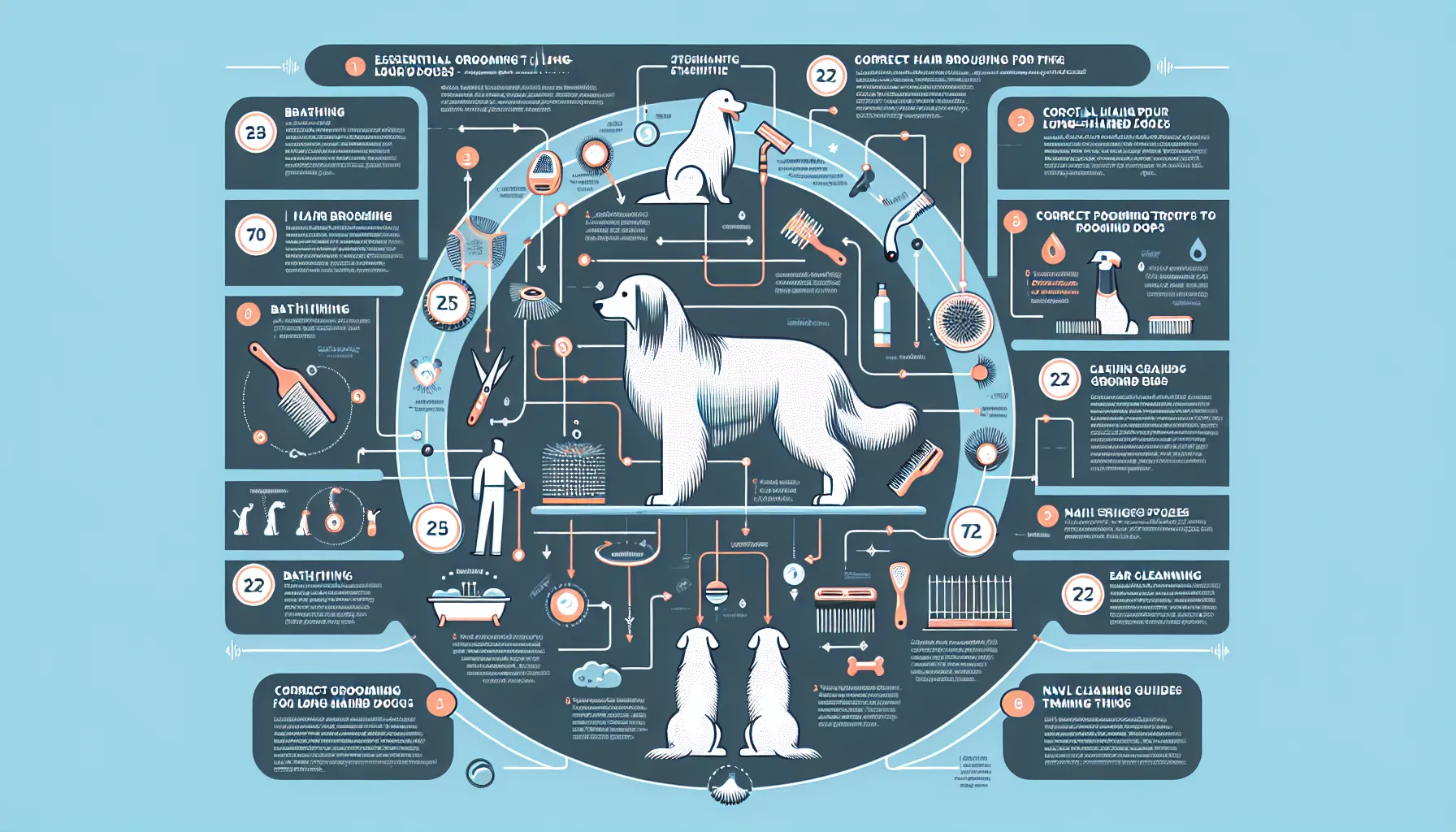
Grooming long-haired dogs presents a unique set of challenges, primarily due to their dense fur, which can lead to matting and tangles. Additionally, long-haired breeds are often more prone to skin sensitivities. Understanding how to groom long-haired dogs effectively can alleviate these issues, ensuring your pet remains comfortable and healthy. This section will cover preventive measures against matting and how to identify skin issues early.
Matting and Tangles
Matting occurs when fur becomes tangled and forms clumps that can pull on the skin, causing discomfort or pain for your dog. According to a study by pet grooming experts at the American Kennel Club, 50% of long-haired dog owners report experiencing matting at some point. Here are some grooming tips for long-haired dogs to prevent matting:
Regular Brushing:
- Aim to brush your dog at least 2-3 times a week, depending on the breed and coat type.
- Use a slicker brush for a thorough detangling process.
Bathing and Drying Techniques:
- Bathe your dog with a high-quality shampoo formulated for their coat type to prevent buildup that leads to tangling.
- Make sure to thoroughly dry your dog after bathing, as damp fur can easily mat.
Use of Dematting Tools:
- For severe tangles, consider a dematting tool or comb. These tools are designed to cut through mats without damaging the coat.
- It’s important to be gentle when using these tools to avoid hurting your dog.
Professional Grooming:
- If your dog has significant matting, professional grooming services can be beneficial. Groomers have the expertise and tools to safely remove mats without causing pain.
Identifying Skin Sensitivities Early
Long-haired dogs often have skin that is more susceptible to irritations and infections due to their thick fur. Recognizing skin issues early can prevent serious complications. Here are some dog grooming advice tips for identifying skin problems:
Regular Skin Checks:
- During grooming sessions, take the time to inspect your dog’s skin for any signs of irritation, redness, or unusual odor.
- Look for lumps, bumps, or changes in skin texture, which may indicate underlying health issues.
Watch for Excessive Scratching:
- If your dog is scratching more than usual, it could be a sign of allergies or skin conditions. Consider consulting a veterinarian for an assessment.
Diet and Allergies:
- Poor diet can lead to skin sensitivities. A balanced diet rich in Omega-3 and Omega-6 fatty acids can help maintain healthy skin and coat.
- Common allergens include certain proteins, grains, and artificial additives. If you suspect allergies, an elimination diet supervised by a veterinarian may help identify the culprit.
Seasonal Care:
- Skin issues can worsen during seasonal changes. Be proactive by adjusting grooming routines and bathing frequency according to the season.
Conclusion
Grooming long-haired dogs requires vigilance and regular care, especially for managing matting and skin sensitivities. Preventive measures such as routine brushing, proper bathing, and early detection of skin issues can significantly improve your dog’s quality of life. Additionally, employing tools like dematting combs and seeking professional help when necessary are critical for maintaining a healthy, happy long-haired dog.
For more insights into pet grooming and care, you can refer to resources such as the American Kennel Club and PetMD. Remember, a well-groomed dog is a happy dog, and attention to grooming can prevent common issues that affect their health and comfort.
Current Trends in Dog Grooming Products
As the pet grooming industry evolves, innovative products and technologies are emerging to enhance the grooming experience for long-haired dogs. With pet owners increasingly seeking effective, safe, and eco-friendly grooming solutions, this section explores the latest trends in grooming tools and natural products.
Innovative Grooming Tools
Pet grooming tools have come a long way from traditional combs and brushes. Technological advancements are now at the forefront, providing more efficient and effective grooming solutions. Here are some noteworthy innovations:
Smart Brushes: A standout example is the Petcube Bites 2, which includes a built-in camera and sensors that can detect skin conditions. This smart brush connects to an app, allowing pet owners to monitor their dog’s skin health and detect any abnormalities. The integration of technology not only enhances grooming efficiency but also promotes proactive health management.
Self-Cleaning Brushes: Tools such as the FURminator feature a self-cleaning mechanism that allows for easy removal of hair with the push of a button. This convenience is crucial for maintaining the cleanliness of grooming tools and ensuring a more pleasant grooming session for both the dog and the owner.
Ergonomic Designs: Many grooming tools are now designed with ergonomics in mind. Products like the Hertzko Self Cleaning Slicker Brush come with a comfortable grip and are shaped to reduce strain during use. This is especially important for long-haired dog care, where grooming sessions can be lengthy.
Recent market research indicates that the global pet grooming products market is expected to reach approximately $3.54 billion by 2026, growing at a CAGR of around 5.6% from 2021 to 2026, according to a report by Market Research Future.
Natural Grooming Products
As pet owners become more conscious of the ingredients in the products they use, the demand for natural grooming products has surged. Eco-friendly grooming solutions are not just a trend; they are reshaping the grooming landscape. Here are some notable aspects:
Organic Shampoos and Conditioners: Brands like Earthbath and Burt’s Bees offer organic shampoos formulated with natural ingredients that are gentle on dogs’ skin and fur. These products avoid harsh chemicals, making them safer for long-haired dogs who may have sensitive skin.
Eco-Friendly Brushes: Companies are now producing grooming tools from sustainable materials. For example, the EcoVessel line includes brushes made from bamboo, which is a renewable resource. This shift towards sustainability resonates with pet owners who prioritize environmental responsibility.
Biodegradable Grooming Wipes: Products such as Pogi’s Pet Supplies grooming wipes are made from plant-based materials and are biodegradable. These wipes are perfect for quick clean-ups, especially for long-haired dogs that can easily get dirty.
According to a survey by Grand View Research, the global organic pet grooming products market is projected to grow significantly, driven by the increasing preference for natural products among pet owners. The report highlights that the organic segment is expected to account for a major share of the grooming market in the coming years.
Conclusion
As the pet grooming industry continues to evolve, both innovative grooming tools and natural products are essential considerations for long-haired dog care. The integration of technology not only enhances grooming efficiency but also supports pet health. Meanwhile, the rise of eco-friendly grooming products aligns with the values of today’s conscientious pet owners.
With these grooming tips for long-haired dogs and the latest trends in grooming products, pet owners can ensure that their furry friends remain not only well-groomed but also healthy and happy. Embracing these advancements in dog grooming will contribute to a more enjoyable experience for both pets and their owners. For further insights into the latest in grooming trends and products, consider exploring resources from The Guardian’s technology section and Shopify’s e-commerce insights.
Future Projections in Dog Grooming
As the pet grooming industry evolves, significant changes are anticipated that will affect how we care for long-haired dogs. The integration of advanced technologies and a shift towards personalized grooming practices are at the forefront of these developments. This section will explore emerging grooming technologies and changing grooming practices, offering insights into the future of long-haired dog care.
Emerging Grooming Technologies
Technological advancements are reshaping the way we approach dog grooming. The adoption of artificial intelligence (AI) and mobile applications is becoming increasingly prevalent, offering innovative solutions for pet owners.
AI-Driven Grooming Tools: AI is being utilized to analyze a dog’s coat condition and suggest appropriate grooming techniques. For instance, some companies are developing AI-powered brushes that can detect matting and suggest optimal grooming schedules based on the dog’s breed and coat type. This not only streamlines the grooming process but also ensures that the dog’s specific needs are met.
Grooming Apps: Several mobile applications are emerging that provide tailored care schedules and grooming reminders based on a dog’s specific breed and coat type. These apps can guide pet owners on the best grooming practices and even connect them with local grooming services. Notable examples include:
- Pawfect: An app that creates customized grooming plans for various breeds, helping owners keep track of grooming needs, including brushing frequency and bathing schedules.
- Wagly: This platform not only offers grooming reminders but also includes health tracking features, allowing owners to monitor their pets’ overall well-being.
Changing Grooming Practices
As pet owners become more informed about their pets’ grooming needs, there is a noticeable shift towards personalized grooming plans. This trend is driven by several factors:
Increased Awareness of Breed-Specific Needs: Pet owners are increasingly recognizing that long-haired dogs require specialized care. This awareness is leading to more customized grooming approaches that cater to individual dog breeds. For example, breeds such as the Afghan Hound or the Shih Tzu have unique grooming requirements that differ significantly from those of shorter-haired dogs.
Holistic Grooming Approaches: There’s a growing emphasis on holistic care, which integrates grooming with overall health and wellness. Groomers are now trained to not only focus on aesthetics but also to assess the dog’s skin health and coat condition. This approach can help in early detection of skin issues or parasites, which are more common in long-haired breeds.
Sustainable Grooming Products: As pet owners become more environmentally conscious, the demand for sustainable grooming products is on the rise. Many grooming companies are now offering eco-friendly shampoos, conditioners, and grooming tools that are safe for both pets and the environment.
Current Trends and Statistics
Recent data shows that the pet grooming industry is experiencing significant growth. According to a report by Grand View Research, the global pet grooming market is expected to reach USD 3.81 billion by 2025, growing at a compound annual growth rate (CAGR) of 6.3% from 2019 to 2025. This growth is attributed to the increasing pet ownership and rising awareness about pet grooming.
Additionally, a survey conducted by the American Pet Products Association (APPA) indicates that pet owners are willing to spend more on grooming services. Approximately 50% of dog owners reported that they regularly use professional grooming services, a notable increase from previous years.
Conclusion
The future of grooming long-haired dogs is bright, with emerging technologies and changing practices set to enhance the grooming experience for both pets and their owners. As we continue to embrace advancements in technology, the grooming process will become more efficient and tailored to the specific needs of each dog. Pet owners who stay informed about these trends will be better equipped to provide optimal care for their long-haired companions.
For more insights into technological advancements in the grooming industry, explore articles from TechCrunch and Wired, which provide in-depth coverage of emerging pet care technologies. Additionally, Bloomberg offers valuable market analysis that highlights the growth potential of the pet grooming sector. By staying updated, pet owners can ensure they are utilizing the best practices and tools available for their beloved long-haired dogs.
Key Takeaways for Long-Haired Dog Grooming
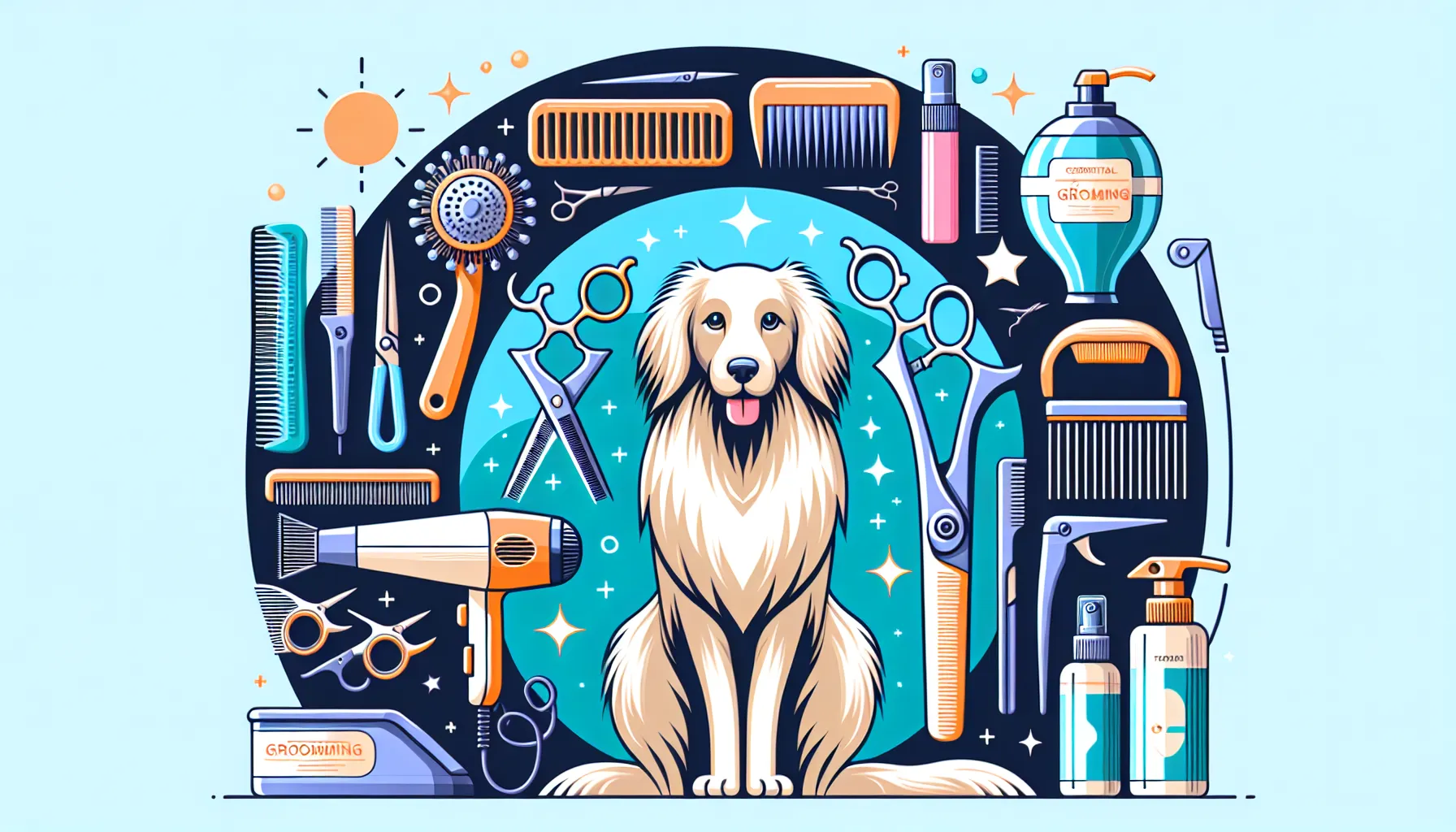
In conclusion, grooming long-haired dogs is not merely a cosmetic endeavor but a vital aspect of their overall health and well-being. As we navigate the current landscape of pet care, it is essential to recognize that regular grooming plays a significant role in maintaining both the physical appearance and the emotional health of your furry companion. Neglecting this responsibility can lead to issues such as matting, skin irritations, and discomfort for your pet.
Investing in quality grooming tools is another key takeaway. Nowadays, there is a plethora of grooming products available, ranging from specialized brushes to high-quality shampoos designed for long-haired breeds. Selecting the right tools not only ensures effective grooming but also enhances the bonding experience between you and your dog. For those interested in the latest grooming tools and techniques, the American Kennel Club offers insightful recommendations that can guide your choices.
Staying informed about grooming trends is also crucial. At present, many pet owners are turning to innovative grooming practices that prioritize the health and comfort of their dogs. For example, the rise of mobile grooming services and eco-friendly grooming products is revolutionizing how we approach pet care. Engaging with these trends can help you discover new methods that may be more effective or enjoyable for both you and your pet. For insights into sustainable grooming practices, check out this resource from the Humane Society.
As we look to the future of long-haired dog grooming, emerging trends such as the integration of technology in grooming solutions are becoming increasingly prominent. Grooming apps that track your dog’s grooming schedule and health metrics, as well as online tutorials that provide professional grooming techniques, are now readily available. This technology will likely continue to evolve, offering pet owners more resources and support than ever before.
In summary, the essential grooming tips for long-haired dogs encompass regular grooming sessions, investing in quality tools, and keeping abreast of grooming trends. To ensure your long-haired dog thrives in both health and aesthetics, make grooming a priority. Take action now by investing in the right tools and staying informed about new practices that cater to your pet’s needs. With the right approach, you can ensure that your long-haired dog remains happy, healthy, and beautiful for years to come.
Frequently Asked Questions
What are the best brushes for long-haired dogs?
The best brushes for long-haired dogs typically include slicker brushes, pin brushes, and combs. Slicker brushes help remove tangles and mats, while pin brushes are great for fluffing the coat and maintaining its volume. A wide-tooth comb is essential for detangling and smoothing out the hair without causing damage. Choose a brush suited to your dog’s coat type, as different breeds may have varying hair textures, which can affect the grooming process.
How often should I groom my long-haired dog?
Long-haired dogs generally require grooming at least every 4 to 6 weeks, but this can vary based on the breed and individual coat condition. Regular brushing, ideally every few days, is essential to prevent mats and tangles. If your dog has a particularly dense or curly coat, more frequent grooming sessions may be necessary. Establish a routine that accommodates your dog’s grooming needs while ensuring their coat remains healthy and free of debris.
What are some tips for bathing long-haired breeds?
When bathing long-haired dogs, use a high-quality, breed-appropriate shampoo to maintain coat health. Wet the coat thoroughly before applying shampoo, and be sure to massage it into the skin. Rinse thoroughly to avoid residue buildup, which can lead to skin irritation. After bathing, use a conditioner for added moisture and to help detangle the hair. Always towel-dry your dog gently before using a blow dryer on a low setting to prevent heat damage.
How can I prevent matting in my long-haired dog?
To prevent matting in long-haired dogs, establish a regular brushing routine, ideally every few days. Focus on areas prone to tangles, like behind the ears and under the legs. Use detangling sprays or conditioners as needed to make brushing easier. Keeping your dog’s coat clean and dry is crucial, as dirt and moisture can contribute to matting. Regular grooming appointments with a professional can also keep the coat manageable and healthy.
What tools are essential for grooming long-haired dogs?
Essential grooming tools for long-haired dogs include a slicker brush, pin brush, comb, and grooming scissors. A slicker brush helps remove mats and debris, while a pin brush is great for fluffing and smoothing the coat. A wide-tooth comb is perfect for detangling, and grooming scissors can help trim any excess hair around sensitive areas. Additionally, consider having nail clippers, ear cleaning solutions, and dog-safe shampoo for complete grooming care.
Should I take my long-haired dog to a professional groomer?
Taking your long-haired dog to a professional groomer can be beneficial, especially for breeds prone to matting or those requiring specialized grooming techniques. Groomers have the experience and tools needed to maintain your dog’s coat health effectively. Regular professional grooming can prevent severe matting and manage shedding. However, maintaining a consistent at-home grooming routine is equally important to keep your dog’s coat in optimal condition between professional visits.
How can I make grooming a positive experience for my long-haired dog?
To make grooming a positive experience for your long-haired dog, start by creating a calm environment. Use treats and praise to encourage good behavior during grooming sessions. Begin with short sessions to help your dog get accustomed to the process and gradually increase the duration as they become more comfortable. Incorporate playtime and breaks into the grooming routine, ensuring it doesn’t become overwhelming. Regular, gentle handling will foster trust and make grooming a more enjoyable experience.
What are the signs that my long-haired dog needs grooming?
Signs that your long-haired dog needs grooming include visible mats or tangles in the coat, excessive shedding, and a dull or greasy appearance. If your dog is scratching or biting at their skin, this could indicate discomfort caused by an unkempt coat. Additionally, if dirt or debris is noticeable in their fur, it’s time for a grooming session. Regularly checking your dog’s coat will help you maintain their hygiene and overall health.