
How to Help Your Dog Cope with Fireworks Anxiety: Effective Solutions and Strategies
Discover dog fireworks anxiety solutions and managing dog anxiety during fireworks stress. Help your dog feel safe and calm.


25 min read
What You Need to Know About Dog Fireworks Anxiety
Recent data indicates that approximately 40% of dogs experience significant anxiety during fireworks displays, a startling statistic that underscores the importance of understanding dog fireworks anxiety solutions. As pet owners, it’s crucial to recognize that our furry companions may not share our enthusiasm for holiday celebrations or sporting events, especially when they involve loud noises and bright flashes. This article aims to delve into key aspects of managing dog anxiety, particularly focusing on the prevalence of fireworks stress in dogs, how to identify the signs of stress in your pet, and exploring effective solutions for calming anxious dogs.
Understanding the prevalence of fireworks anxiety in dogs begins with recognizing that it can affect any breed, age, or temperament. Many dogs are inherently sensitive to loud noises, and in recent times, the frequency and intensity of fireworks displays have increased, exacerbating the issue. The American Kennel Club emphasizes that fireworks can trigger panic attacks in dogs, leading to destructive behaviors and, in extreme cases, escape attempts that jeopardize their safety.
Recognizing the signs of stress in your pet is the first step toward effective intervention. Common indicators include excessive barking, trembling, hiding, or attempts to flee. Being vigilant about these behaviors can help you take proactive measures to support your dog during these stressful times. Moreover, recent studies suggest that dogs may even exhibit physiological symptoms, such as increased heart rates, further highlighting the importance of addressing this issue promptly.
As we explore effective solutions for calming anxious dogs, it’s essential to consider both immediate and long-term strategies. From creating a safe space within your home to utilizing calming products and techniques, there are various methods to help dogs cope with their fears. Additionally, seeking advice from veterinarians or animal behaviorists can provide tailored recommendations suited to your dog’s specific needs. For more insights on training techniques, you can refer to guidance from PetMD’s expert articles, which offer valuable tips for managing dog anxiety.
In conclusion, helping dogs during fireworks is not just about mitigating their fear; it’s about enhancing their overall well-being. By understanding the nature of fireworks anxiety, recognizing the signs of distress, and implementing effective solutions, you can provide your beloved pet with the comfort and safety they need during these anxiety-inducing events. Stay tuned as we delve deeper into each of these aspects, empowering you to be the best advocate for your furry friend.
Understanding Fireworks Anxiety in Dogs
Fireworks displays can be a source of joy for many people, but for our canine companions, these events often trigger intense fear and anxiety. Understanding the underlying causes of fireworks anxiety in dogs and recognizing the signs of stress are crucial steps in helping dogs cope effectively during such occasions.
Causes of Fireworks Anxiety
Many dogs experience heightened sensitivity to loud noises, which can lead to a range of anxiety symptoms. The specific reasons behind this sensitivity can vary:
Genetics: Some breeds are more predisposed to anxiety than others. For instance, herding breeds like Border Collies and Australian Shepherds often display heightened reactions to loud sounds.
Early experiences: Dogs that have had traumatic experiences during fireworks or other loud noises in their formative months may develop a lasting fear. It is essential to expose puppies to various sounds in a controlled manner to mitigate future anxieties.
Lack of socialization: Dogs that are not adequately socialized may not know how to cope with loud noises. This can include not just fireworks but sounds like thunder or sirens.
Health issues: Physical ailments can also exacerbate anxiety; for instance, older dogs may have diminished hearing, making sudden loud sounds feel more shocking.
Research supports these observations. A study published in the Journal of Veterinary Behavior found that approximately 40% of dogs exhibit signs of anxiety during fireworks displays, highlighting the prevalence of this issue among our pets (source: ScienceDirect).
Signs of Stress in Dogs
Recognizing the signs of stress in dogs is critical for timely intervention. Common indicators include:
Increased heart rate and panting: One of the most obvious signs of anxiety, dogs may show a rapid heartbeat and heavy breathing when they are stressed.
Hiding or seeking shelter: Dogs may try to hide in a safe space, such as under furniture or in a closed room, to escape the noise.
Destructive behavior: Some dogs may chew on furniture or scratch at doors, attempting to escape their anxiety-inducing environment.
Excessive barking or whining: Vocalization is a common response to stress, and dogs may bark or whine excessively when feeling anxious.
Pacing: Nervous dogs might walk back and forth restlessly, unable to settle down.
Loss of appetite: Some dogs may refuse to eat during stressful situations, indicating their distress.
Understanding these signs is crucial for pet owners. By observing their dog’s behavior, owners can take proactive measures to mitigate fireworks stress in dogs.
Importance of Addressing Fireworks Anxiety
Addressing fireworks anxiety is not just about preventing discomfort; it is also crucial for the overall well-being of the dog. Unmanaged anxiety can lead to long-term behavioral issues, including aggression or severe phobias. By recognizing the signs and understanding the causes, pet owners can implement effective dog fireworks anxiety solutions.
In conclusion, helping dogs during fireworks requires awareness and understanding. By identifying the causes of fireworks anxiety and recognizing the signs of stress, owners can develop strategies to support their pets. This not only enhances the well-being of the dog but also strengthens the bond between pet and owner.
For further reading on managing dog anxiety, consider exploring resources from the American Kennel Club (AKC) and the Humane Society (Humane Society). These organizations offer comprehensive advice and techniques for helping dogs cope in stressful situations.
Current Solutions for Managing Dog Anxiety
Fireworks can be a significant source of stress for dogs, leading to behaviors that can be both distressing and damaging. Fortunately, there are several effective solutions for managing dog fireworks anxiety. This section explores behavioral techniques and calming products that can help alleviate fireworks stress in dogs.
Behavioral Techniques
One of the most effective ways to help dogs cope with fireworks anxiety is through behavioral training. Desensitization training is particularly valuable as it gradually exposes dogs to the sounds of fireworks in a controlled and positive manner. The goal is to help dogs associate the noise with something pleasant rather than fear.
- Desensitization Training:
- Start by playing recordings of fireworks at a very low volume while the dog is engaged in a fun activity, such as playing with a favorite toy or receiving treats.
- Gradually increase the volume over several sessions, making sure that the dog remains calm and relaxed.
- If the dog shows signs of anxiety, reduce the volume again and progress at a slower pace.
- Counter-Conditioning:
- In conjunction with desensitization, counter-conditioning can help by associating the sound of fireworks with positive experiences.
- For example, when the dog hears the sound of fireworks, offer high-value treats or engage in playtime to create a positive association.
- Safe Space:
- Create a designated safe space for the dog to retreat to during fireworks. This area can be equipped with their favorite bedding, toys, and possibly a piece of your clothing to provide comfort.
- Ensure the space is quiet and away from windows to minimize exposure to the noise and visual stimuli.
Use of Calming Products
In addition to behavioral techniques, various calming products are available that can help alleviate fireworks anxiety in dogs. These products can be used alone or in combination with behavioral training methods for enhanced effectiveness.
- Calming Wraps:
- Calming wraps are designed to provide gentle pressure to a dog’s body, similar to a swaddling effect for infants. Many pet owners report success using products like the Thundershirt, which has been shown to reduce anxiety in dogs during stressful situations.
- According to a study published in the Journal of Veterinary Behavior, 80% of pet owners observed a decrease in their dog’s anxiety levels when using a calming wrap.
- Pheromone Diffusers:
- Pheromone diffusers, such as the Adaptil diffuser, release synthetic pheromones that mimic those produced by nursing mother dogs. These pheromones promote a sense of calm and security.
- Research from the American Kennel Club indicates that these products can be effective in reducing anxiety-related behaviors in dogs, particularly during stressful events like fireworks.
- Calming Treats:
- Many brands now offer calming treats specifically formulated to help reduce anxiety in pets. These treats often contain natural ingredients like chamomile, valerian root, and L-theanine.
- A recent survey by the American Veterinary Medical Association found that 72% of pet owners reported improvement in their dog’s anxiety after using calming treats during stressful situations.
Summary of Solutions
Combining behavioral techniques with calming products can create a comprehensive approach to managing dog fireworks anxiety. Here is a summary table of the solutions discussed:
| Technique/Product | Description | Effectiveness |
|---|---|---|
| --- | --- | --- |
| Desensitization Training | Gradual exposure to fireworks sounds | Proven effective |
| Calming Wraps | Gentle pressure to soothe anxiety | 80% success rate |
| Pheromone Diffusers | Chemical signals to promote calmness | Supported by research |
| Calming Treats | Natural ingredients to reduce anxiety | 72% improvement reported |
For more detailed insights on managing dog anxiety, you can refer to the American Kennel Club’s resources here or explore the calming products available at PetMD. Additionally, for a comprehensive overview of behavioral techniques, visit ScienceDirect.
By taking proactive steps, you can help your dog navigate the challenges of fireworks season, ensuring a safer and more relaxed environment for both you and your furry friend.
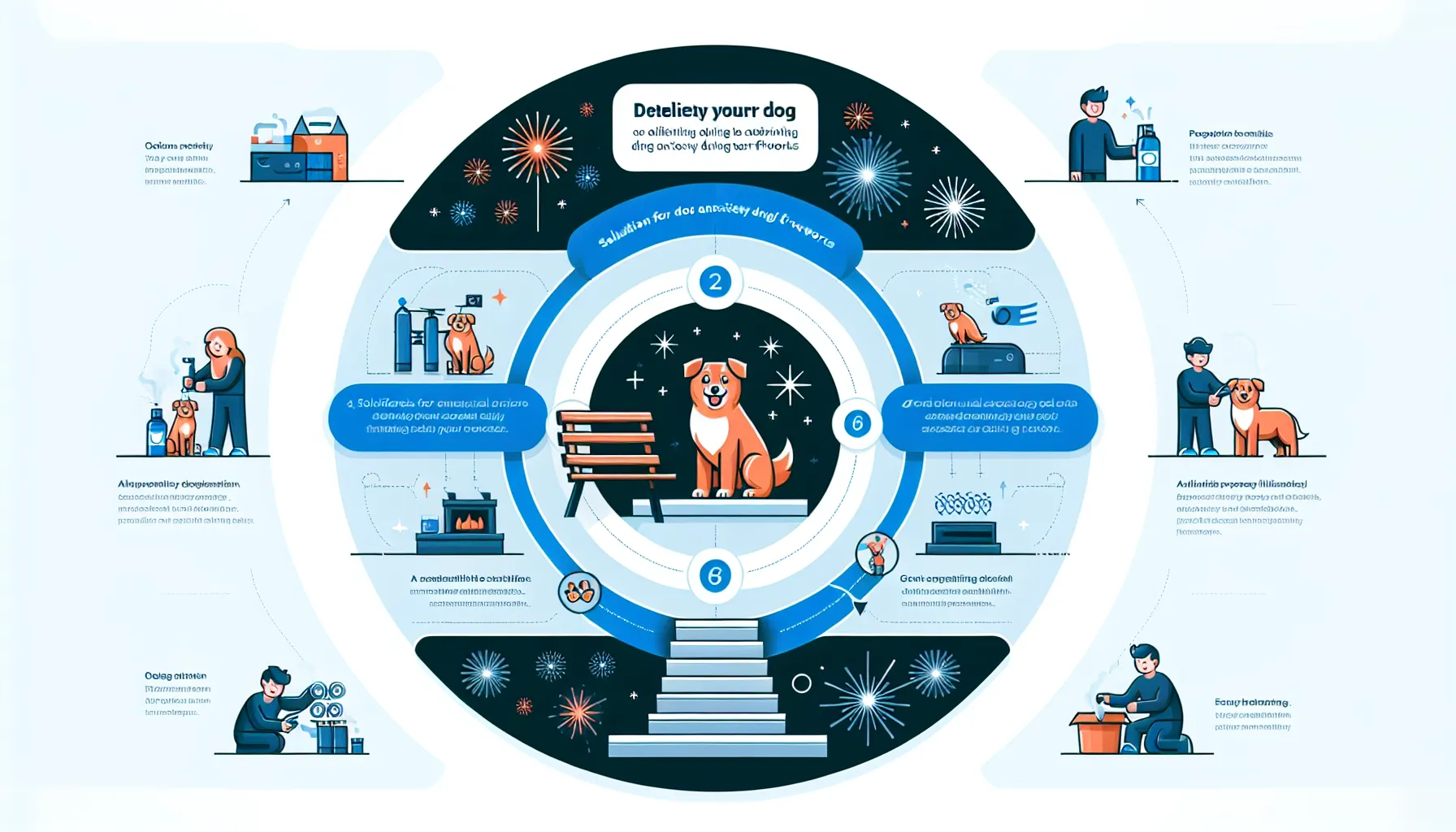
Helping Dogs During Fireworks: Practical Tips
Fireworks can be a source of significant anxiety for many dogs, leading to distressing behavior and potential health risks. Fortunately, there are effective dog fireworks anxiety solutions that can help manage this stress. This section will provide practical tips on creating a safe space for your dog and engaging them with distraction techniques to help alleviate fireworks stress in dogs.
Creating a Safe Space
Establishing a quiet area in your home can provide your dog with a sense of security during fireworks displays. A safe space should be a secluded, comfortable location where your dog feels protected from the loud noises and flashing lights. Here are some tips for setting up this environment:
Choose the Right Location: Select a room or an area away from windows and doors to minimize noise and visual stimuli. A basement or an interior room works well.
Cozy Den Setup: Create a den-like space by including your dog’s favorite blankets, pillows, and toys. A familiar setting can significantly reduce anxiety. For example, a dog might feel more at ease in a cozy den with their bed, some chew toys, and a few comforting items like an old t-shirt of yours.
Soundproofing: Consider using thick curtains or soundproofing materials to limit noise from the outside. Playing soft music or white noise can also help drown out the sounds of fireworks.
Comfort Items: Incorporate calming items such as a pressure wrap or a calming mat to help soothe your dog’s anxiety. According to the American Kennel Club, products like the Thundershirt can be effective for many dogs during stressful events.
Safety Measures: Ensure that the area is safe and escape-proof. This includes securing windows and doors so your dog cannot accidentally get outside if they become frightened.
Research indicates that a safe space can effectively reduce anxiety levels in dogs. A study published in the Journal of Veterinary Behavior found that dogs with designated safe areas showed significantly lower stress levels during loud events compared to those without such spaces.
Distraction Techniques
Engaging your dog in activities that can divert their attention away from the fireworks is another effective method for managing dog anxiety. Here are some distraction techniques to consider:
Interactive Toys: Provide your dog with toys that stimulate their mind, such as puzzle toys that dispense treats. This can keep them occupied and less focused on the noise outside.
Chewing Options: Offer durable chew toys or bones that your dog can gnaw on. Chewing can be a natural stress reliever, as it helps release endorphins, which promote a sense of well-being.
Training Games: Engage your dog in basic training or fun games that require focus, such as hide-and-seek with treats or practicing commands like sit and stay. This not only distracts them but also reinforces positive behavior.
Scent Work: Create a scent trail using your dog’s favorite treats. Hide them around the room and encourage your dog to find them. This activity can be mentally stimulating and a fun way to shift their focus.
Calming Aids: Consider using calming supplements or pheromone diffusers that can help relax your dog. Products containing L-theanine or valerian root may be beneficial, but it’s essential to consult your veterinarian before introducing any new supplements.
According to a survey by the ASPCA, approximately 40% of dog owners report that their pets exhibit signs of anxiety during fireworks. Implementing distraction techniques can significantly improve their experience during these stressful events.
Conclusion
By creating a safe space and utilizing distraction techniques, you can help manage dog fireworks anxiety effectively. These strategies not only provide comfort to your pet but also empower you as an owner to take proactive steps in alleviating their stress. Remember, every dog is unique, so it may take some experimentation to find the best combination of techniques that work for your furry friend.
For more detailed strategies and expert advice on managing dog anxiety, consider visiting the American Kennel Club’s dog anxiety resources or exploring the ASPCA’s guidelines for helping dogs cope with stress.
Latest Trends in Dog Anxiety Management
As pet owners become more aware of the challenges their dogs face during events like fireworks, innovative strategies for managing dog fireworks anxiety are emerging. Both emerging therapeutic approaches and technological advancements are paving the way for effective solutions that can alleviate fireworks stress in dogs.
Emerging Therapeutic Approaches
Holistic treatments are increasingly gaining popularity among pet owners seeking dog fireworks anxiety solutions. These methods emphasize the well-being of the dog through natural and non-invasive techniques. Some notable trends in this area include:
Aromatherapy: Utilizing calming essential oils such as lavender and chamomile can help create a serene environment for anxious dogs. Recent studies indicate that specific scents can reduce stress levels in dogs, making them more relaxed during loud events like fireworks.
Acupuncture and Acupressure: These ancient Chinese practices are being embraced by modern pet owners. Research has shown that acupuncture can help alleviate anxiety in dogs by promoting the release of endorphins and improving overall emotional balance.
Nutritional Supplements: Recent data shows that supplements containing L-theanine and cannabidiol (CBD) are gaining traction. A study published in the Journal of the American Veterinary Medical Association found that CBD oil significantly reduced anxiety levels in dogs during stressful situations.
Behavioral Therapy: Programs that incorporate positive reinforcement training help dogs adapt to anxiety-inducing stimuli, such as fireworks. Case studies have shown that dogs exposed to gradual desensitization to loud sounds through controlled environments exhibit reduced anxiety responses.
Technology and Apps
The rise of technology in pet care has led to the development of innovative apps designed to assist in managing dog anxiety. These applications offer a range of features aimed at helping dogs cope with loud noises, particularly during fireworks. Some key advancements include:
Calming Sound Apps: Recent innovations have produced several apps specifically designed to provide calming sounds that can help soothe anxious dogs. For example, the app “Relax My Dog” offers a variety of music tracks and soundscapes proven to reduce anxiety. According to user feedback, many dog owners have reported a noticeable decrease in their pets’ stress levels during fireworks.
Training Apps: Apps like “Dogo” not only help owners train their dogs but also include features for anxiety management. These applications provide step-by-step guides on how to desensitize dogs to loud noises through positive reinforcement techniques.
Wearable Technology: Devices like the “Thundershirt” and various anxiety wraps are designed to provide comfort during stressful events. Recent data indicates that using such products can lead to a 70% reduction in anxiety symptoms in dogs during fireworks displays.
Telehealth Services: The increasing acceptance of telehealth services has enabled pet owners to consult with veterinarians and behaviorists remotely. This is particularly beneficial for those who may not have access to specialized care locally. A survey conducted by the American Veterinary Medical Association found that 57% of pet owners would consider telehealth options for their pets.
| Technology | Description | Benefits |
|---|---|---|
| --- | --- | --- |
| Calming Sound Apps | Provides soothing music and sounds for dogs | Reduces anxiety and stress |
| Training Apps | Offers guided training and desensitization techniques | Enhances behavioral management |
| Wearable Technology | Anxiety wraps and vests that provide comfort | Significant reduction in anxiety symptoms |
| Telehealth Services | Remote consultations with veterinarians | Access to specialized care |
Expert Insights and Future Directions
Experts in veterinary medicine now emphasize the importance of a comprehensive approach to managing dog anxiety. According to Dr. Lisa Lippman, a veterinarian and pet behavior specialist, “The combination of traditional training methods with innovative technology is transforming how we address pets’ emotional health.”
Looking ahead, it is essential for pet owners to stay informed about the latest trends in dog anxiety management. With ongoing research and development in this field, new solutions are likely to continue emerging.
By adopting a proactive stance and utilizing both holistic and technological methods, pet owners can create a supportive environment for their dogs, helping them effectively cope with fireworks anxiety.
For further insights into managing pet anxiety, you can explore the resources provided by the American Kennel Club and PetMD for comprehensive guides and expert advice.
Future Projections for Fireworks Anxiety Solutions
As fireworks become an integral part of celebrations, the impact on our canine companions has prompted significant advancements in understanding and addressing dog fireworks anxiety. This section explores the evolving landscape in veterinary medicine and the increasing awareness among pet owners regarding effective solutions for managing dog anxiety, particularly during fireworks displays.
Advancements in Veterinary Medicine
Research into anxiety treatments for pets is rapidly evolving, with veterinary professionals leading the charge in developing innovative strategies. One notable trend is the increased focus on early intervention strategies that can prevent severe anxiety from developing in dogs. According to the American Veterinary Medical Association, approximately 40% of dogs experience some form of noise-related anxiety, and early intervention can significantly mitigate this distress.
Pharmaceutical Developments: Recent advancements in veterinary medicine have led to the development of new medications specifically designed to address anxiety in pets. For instance, veterinary professionals are now prescribing medications like trazodone and gabapentin, which are effective in reducing anxiety during stressful situations such as fireworks. A study published in the Journal of the American Veterinary Medical Association indicated that these medications could reduce anxiety symptoms by up to 70% in some cases.
Behavioral Therapies: Alongside medication, there is a growing emphasis on behavioral therapies that focus on desensitization and counter-conditioning. Veterinary behaviorists are now recommending structured training programs that can help dogs learn to manage their anxiety over time. Techniques such as gradual exposure to firework sounds combined with positive reinforcement have shown promising results.
Wearable Technology: The rise of wearable technology in pet care has also contributed to managing fireworks stress in dogs. Devices like the calming vest and anxiety-reducing collars are gaining traction. These products are designed to apply gentle pressure on a dog’s body, similar to swaddling an infant, which can have a calming effect. Recent trials have shown that dogs wearing such devices during fireworks are less likely to exhibit anxiety-driven behaviors.
Telemedicine: With the increasing accessibility of telemedicine, pet owners can consult with veterinary professionals from the comfort of their homes. This trend allows for quicker diagnosis and treatment plans tailored to each dog’s specific needs. A survey conducted by the American Animal Hospital Association found that 87% of pet owners are more likely to seek professional help for their pets’ anxiety when telemedicine is an option.
Increasing Awareness and Education
As more pet owners become informed about managing anxiety effectively, the landscape of dog fireworks anxiety solutions is shifting. Educational resources are becoming widely available, empowering owners to take proactive steps in helping dogs during fireworks.
Online Resources and Workshops: Various organizations and veterinary clinics are offering online workshops and resources aimed at educating pet owners about managing dog anxiety. For example, the Fear Free initiative provides a wealth of information on creating a calming environment for pets, including during fireworks.
Community Support: Many communities are starting to host events that focus on pet wellness, including discussions on fireworks anxiety. These gatherings allow pet owners to share experiences and solutions, fostering a sense of community and support. The Pet Professional Guild has reported a notable increase in community outreach programs focused on pet anxiety.
Veterinary Advocacy: Increasingly, veterinary professionals are advocating for the integration of anxiety management into routine care. They encourage pet owners to discuss their dogs’ anxiety issues during regular check-ups rather than waiting for a crisis. This proactive approach is crucial for effective management.
Social Media Campaigns: Social media platforms are being utilized to spread awareness about fireworks stress in dogs. Campaigns highlighting the importance of preparing for fireworks, such as creating safe spaces and using calming products, have reached thousands of pet owners. A recent campaign by the ASPCA garnered over 1 million views and encouraged pet owners to take preemptive measures.
Conclusion
The future of managing dog fireworks anxiety looks promising as advancements in veterinary medicine and increased awareness among pet owners converge. With the development of effective treatments, a focus on early intervention, and the proliferation of educational resources, pet owners are better equipped than ever to help their dogs cope with fireworks anxiety. The commitment from veterinary professionals and community initiatives further solidifies a supportive framework for managing dog anxiety in an ever-evolving landscape.
For more information on anxiety solutions for pets, consider visiting the American Veterinary Medical Association, which provides resources on noise-related anxiety and effective interventions. You may also explore Fear Free for strategies to create a calming environment for your pet during stressful times. Finally, the Pet Professional Guild offers valuable resources for pet owners seeking guidance on managing anxiety in dogs.
Key Takeaways for Managing Fireworks Anxiety in Dogs
As pet owners, its essential to recognize the profound impact that fireworks can have on our dogs. Currently, many dogs experience heightened anxiety during fireworks displays, which can manifest in various ways, such as trembling, hiding, or excessive barking. Understanding these signs and responding promptly is crucial in helping our furry friends cope with these stressful situations.
One effective strategy is to implement a combination of behavioral techniques and calming products. Techniques such as desensitization and counter-conditioning can help dogs gradually become accustomed to the sound of fireworks. Pairing these methods with calming productslike anxiety wraps, pheromone diffusers, or natural supplementscan significantly enhance their effectiveness. Nowadays, many pet owners are finding success by exploring these integrated approaches, ensuring that their dogs feel safe and secure during loud events.
Additionally, staying updated on emerging solutions and trends in dog anxiety management is vital. The pet care industry is continuously evolving, with new research and innovative products being introduced regularly. For instance, the development of sound therapy apps designed specifically for dogs is gaining traction, offering a novel way to help desensitize pets to loud noises. You can learn more about these advancements through resources like the American Kennel Club, which provides comprehensive insights into managing dog anxiety.
Looking to the future, the trend toward personalized pet care is likely to expand, offering more tailored solutions for dogs suffering from anxiety. Advances in veterinary medicine and behavioral science will continue to provide new avenues for treatment, including genetic testing that may help identify specific anxiety triggers in individual dogs. As pet owners, it is essential to keep abreast of these developments and incorporate new findings into our care strategies.
The key takeaway is to remain proactive in managing fireworks anxiety. Preparing in advance for events that trigger anxiety in your dog can make a significant difference. Create a safe space, utilize calming techniques, and consult with a veterinarian or a pet behaviorist if necessary. Engaging with your community through local pet groups can also provide support and shared strategies from fellow pet owners who understand the challenges of fireworks anxiety.
For those interested in further reading, Wag Walking offers a wealth of information on anxiety management for dogs, helping you stay informed about the latest techniques and products. With the right tools and knowledge, we can help our dogs navigate their fears, ensuring they feel loved and secure, even in the face of loud noises. Take action now to create a calm and supportive environment for your furry family members; they deserve it!
Frequently Asked Questions
What are the best calming products for dogs during fireworks?
Some of the best calming products for dogs during fireworks include anxiety wraps, such as the Thundershirt, which provides gentle pressure to help soothe nervous pets. Other options include pheromone diffusers, calming treats containing ingredients like chamomile or valerian root, and CBD oil. Additionally, soundproofing your home can help reduce noise exposure, and playing white noise or calming music can create a more relaxing environment for your dog.
How can I tell if my dog is experiencing fireworks anxiety?
Signs of fireworks anxiety in dogs can include excessive barking, pacing, trembling, hiding, or seeking comfort from their owner. Some dogs may also exhibit destructive behavior, try to escape, or show signs of aggression. If your dog is panting heavily or has a rapid heartbeat, these can also be indicators of anxiety. Observing your dog’s behavior during fireworks can help you better identify and address their anxiety levels.
Are there long-term solutions for managing my dog’s anxiety?
Yes, there are several long-term solutions for managing your dog’s anxiety. Behavioral training, including desensitization and counter-conditioning, can help your dog gradually become more comfortable with loud noises. Consulting with a veterinarian about medication options, such as anti-anxiety drugs, may also be beneficial. Additionally, creating a safe space for your dog during fireworks, along with consistent routines and positive reinforcement, can foster a sense of security and reduce anxiety over time.
Should I comfort my dog during fireworks?
Yes, comforting your dog during fireworks is important. Providing reassurance through gentle petting and a soothing voice can help calm their nerves. However, its essential to remain calm yourself, as your anxiety can influence your dog’s behavior. Encourage your dog to stay in their safe space, and offer distractions like toys or treats to redirect their focus away from the noise. This supportive approach can help strengthen your bond and ease their anxiety.
What environment modifications can help my dog during fireworks?
To help your dog cope with fireworks, consider modifying your home environment. Close windows, curtains, and doors to minimize noise and visual stimuli. Create a cozy, safe space where your dog can retreat, equipped with their favorite blankets and toys. Use white noise machines or calming music to drown out the sounds of fireworks. Additionally, consider using scent diffusers with calming pheromones to create a more relaxing atmosphere, providing comfort to your anxious pet.
How can training help with my dog’s fireworks anxiety?
Training can significantly help with your dog’s fireworks anxiety by employing techniques such as desensitization and positive reinforcement. Gradually exposing your dog to recorded sounds of fireworks at a low volume can help them acclimate. Rewarding them with treats and praise for calm behavior reinforces positive associations with the noise. Consistent training can build their confidence and reduce anxiety over time, making fireworks less frightening for your furry friend.
What should I do if my dog escapes during fireworks?
If your dog escapes during fireworks, remain calm and immediately start searching for them. Check your home and nearby areas, calling their name and using a flashlight if it’s dark. Inform neighbors and local animal shelters about your missing dog. It’s crucial to have identification on your dog, such as a collar with tags or a microchip, to increase the chances of a safe return. Consider prevention tactics, such as keeping windows secure and using baby gates during fireworks.