
How to Set Up a Pet-Friendly Home: A Comprehensive Guide
Discover the ultimate pet-friendly home guide with tips for setting up for pets, creating a pet-friendly space, and current trends for pet owners.


26 min read
What You Need to Know
Did you know that a significant percentage of households currently share their living spaces with pets? Recent data reveals that nearly two-thirds of American homes include at least one pet, highlighting the growing trend of pet ownership and the increasing demand for pet-friendly environments. As our furry companions become integral members of the family, the importance of creating a pet-friendly home cannot be overstated. This pet-friendly home guide will explore essential strategies for setting up your space to accommodate your beloved animals while maintaining style and functionality.
Understanding the significance of a pet-friendly environment goes beyond mere comfort for your pets. It’s about enhancing the overall quality of life for both pets and their owners. An inviting space not only caters to the needs of your four-legged friends but also ensures that your home remains a harmonious sanctuary for everyone. With trends in home design shifting towards more inclusive and functional layouts, integrating pet-friendly elements into your decor is becoming increasingly popular. For instance, many homeowners are opting for durable materials and innovative designs that are easy to clean and maintain, reflecting a growing awareness of the balance between aesthetics and practicality. As pet ownership continues to rise, so will the demand for homes that cater to both human and animal needs.
This article will provide an overview of practical tips for pet owners aiming to create a pet-friendly space. From selecting appropriate materials to implementing effective organization strategies, we will discuss how to set up your home for pets without sacrificing style. Additionally, we’ll delve into current trends in pet ownership that are reshaping home design, ensuring your space reflects the evolving dynamics of human-animal relationships. For more insights on the subject, you can check out A Hundred Monkeys’ comprehensive analysis of pet trends in home design, and explore PawPrint’s expert tips for creating a pet-friendly atmosphere.
Join us as we embark on this journey to transform your home into a welcoming haven for your pets, ensuring that they feel as comfortable and cherished as ever. Whether you are a seasoned pet owner or considering bringing a new furry friend into your life, this guide will equip you with the knowledge and tools needed to create a truly pet-friendly home.
Choosing the Right Materials
Creating a pet-friendly home involves much more than just welcoming your furry friends inside. It requires thoughtful consideration of materials that can withstand the rigors of pet ownership. Durable, easy-to-clean surfaces are paramount for pet owners looking to maintain a clean and inviting environment. This section will explore flooring options and furniture choices that are both functional and stylish, ensuring that your space is well-suited for pets.
Flooring Options
When selecting flooring for a pet-friendly home, durability and ease of maintenance are key. Here are some of the best options available:
Luxury Vinyl Plank (LVP):
- LVP is resistant to scratches and stains, making it an excellent choice for homes with pets. Its waterproof properties also help in case of accidents.
- According to recent data from the National Floor Covering Association, LVP has become increasingly popular, with sales rising by 40% over the last year due to its pet-friendly characteristics.
Tile:
- Ceramic and porcelain tiles are not only durable but also easy to clean. They are resistant to scratches and can withstand pet accidents without damage.
- In addition, tiles stay cool in the summer, providing a comfortable surface for pets during warmer months.
Pet-Resistant Carpets:
- While traditional carpets can be a challenge for pet owners, new pet-resistant carpets are designed to repel stains and odors. Brands like Mohawk and Shaw offer carpets made from nylon fibers that resist wear and tear.
- A study by the Carpet and Rug Institute shows that these specialized carpets can last 30% longer than conventional carpets when pets are present.
Bamboo Flooring:
- Bamboo is an eco-friendly option that is harder than traditional hardwood. It is both durable and sustainable, making it a great addition for environmentally-conscious pet owners.
- Bamboo is also resistant to moisture, further reducing the risk of damage from pet accidents.
| Flooring Type | Durability | Maintenance | Eco-Friendly |
|---|---|---|---|
| Luxury Vinyl Plank | High | Easy | Yes |
| Tile | Very High | Easy | Yes |
| Pet-Resistant Carpet | Moderate | Moderate | Varies |
| Bamboo Flooring | High | Moderate | Yes |
Choosing the right furniture is just as important as selecting the right flooring. Pet owners should consider materials and designs that can endure the challenges posed by pets:
Scratch-Resistant Furniture:
- Fabrics like microfibers and leather are ideal for homes with pets. Microfiber is not only easy to clean but also resists stains and pet hair. Leather, on the other hand, can be wiped clean and is less likely to absorb odors.
- Brands such as Joybird offer customizable furniture options made from durable materials that can withstand pet wear.
Easy-to-Clean Surfaces:
- Look for furniture with removable, washable covers. This feature is essential for keeping furniture looking fresh and clean.
- The American Home Furnishings Alliance reports that furniture made with performance fabrics, like Sunbrella, can resist stains and moisture, making it a perfect fit for pet owners.
Furniture Height and Design:
- Consider furniture that is easier for pets to access, such as lower coffee tables or wide sofas that provide ample space for lounging. Elevated furniture can create a more difficult environment for pets, leading to potential accidents.
- Additionally, rounded edges can prevent injuries for rambunctious pets.
Pet-Friendly Accessories:
- Incorporating pet-friendly accessories, such as washable area rugs or stylish pet beds, can enhance your home’s aesthetics while providing comfort for your pets.
- Brands like PetFusion offer stylish pet furniture that blends seamlessly with home decor.
Conclusion
In summary, setting up a pet-friendly home involves selecting appropriate flooring and furniture materials that are durable, easy to clean, and stylish. By prioritizing these aspects, pet owners can create a welcoming environment that caters to both their pets’ needs and their own aesthetic preferences. As the demand for pet-friendly homes continues to grow, more brands are offering innovative solutions that combine functionality with style. For further insights on creating a pet-friendly space, consider visiting resources such as The Spruce’s guide on pet-friendly home tips and House Beautiful’s pet-friendly design ideas.
Creating Safe Spaces for Pets
Creating a pet-friendly home involves more than just accommodating your furry friends; it also requires establishing safe spaces that minimize chaos and promote well-being. A well-thought-out layout can significantly enhance the quality of life for both pets and their owners. In this section, we will explore the importance of designated pet areas and essential safety considerations for creating a pet-friendly space.
Designated Pet Areas
One of the most effective strategies for setting up for pets is to create designated areas specifically for them. These spaces help control pet-related chaos and foster a sense of security for your animals. Here are some key benefits of establishing pet zones:
- Minimized Stress: Pets thrive in structured environments. By designating areas for play, eating, and sleeping, you can help reduce anxiety and promote comfort.
- Organized Spaces: A pet zone keeps your home tidy. It allows you to manage pet supplies like toys, food, and grooming tools in one area, minimizing clutter throughout your home.
- Easier Training: Having a designated space can aid in training. For example, setting up a specific area for crate training or potty training allows pets to learn boundaries more effectively.
Examples of Designated Pet Areas
Pet Gates: Installing pet gates can define boundaries within your home. These gates are useful for restricting access to certain rooms, preventing pets from wandering into areas where they might get into trouble. For instance, a gate can keep dogs out of the kitchen while cooking or prevent cats from accessing the litter box when guests are over.
Safe Play Areas: Creating a safe play area in your yard or a specific room can provide pets with a space to exercise freely. Consider using non-toxic, durable materials for outdoor play areas. For indoor spaces, pet-friendly rugs or mats can minimize slipping and provide a comfortable surface for play.
Designated Feeding Zones: Establishing a specific feeding area helps maintain cleanliness and sets a routine. Consider using spill-proof bowls and mats to catch any excess food or water. This can make cleanup easier and keep your floors safe from water damage.
Safety Considerations
In addition to designating specific areas for your pets, implementing safety measures is crucial to prevent accidents and injuries in your home. Here are some essential safety tips for pet owners:
Secure Hazardous Items: Keep harmful substances, such as cleaning supplies, medications, and certain plants, out of reach. According to the ASPCA, many common household items can be toxic to pets, including chocolate, grapes, and certain essential oils.
Pet-Proof Electrical Cords: Chewing on electrical cords is a common hazard for curious pets. Use cord covers or cable management solutions to protect your pets from potential shocks.
Non-Slip Surfaces: To prevent slips and falls, consider using non-slip rugs or mats, especially in areas where pets frequently run, like hallways or near food and water bowls. A study published in the Journal of Veterinary Behavior found that pets are less likely to experience accidents in homes with non-slip surfaces.
Proper Ventilation: Ensure that your home is well-ventilated, especially in areas where pets spend a lot of time. Poor air quality can lead to respiratory issues in pets, so consider using air purifiers to enhance indoor air quality.
Regular Safety Checks: Conduct periodic safety checks of your home to identify and mitigate potential hazards. This includes checking for loose floorboards, exposed wires, or any items that could be easily knocked over by an energetic pet.
Conclusion
Creating a pet-friendly home is a rewarding endeavor that requires careful planning and consideration. By establishing designated pet areas and implementing essential safety measures, you not only enhance your living space but also promote the health and happiness of your furry companions. As you continue to set up a pet-friendly home, keep in mind that a little effort goes a long way in creating a safe and loving environment.
For more insights on pet safety and home organization, consider reviewing resources from the American Society for the Prevention of Cruelty to Animals and the American Kennel Club. These organizations provide valuable information and tips for pet owners looking to enhance their living spaces.
Incorporating Pet-Friendly Decor
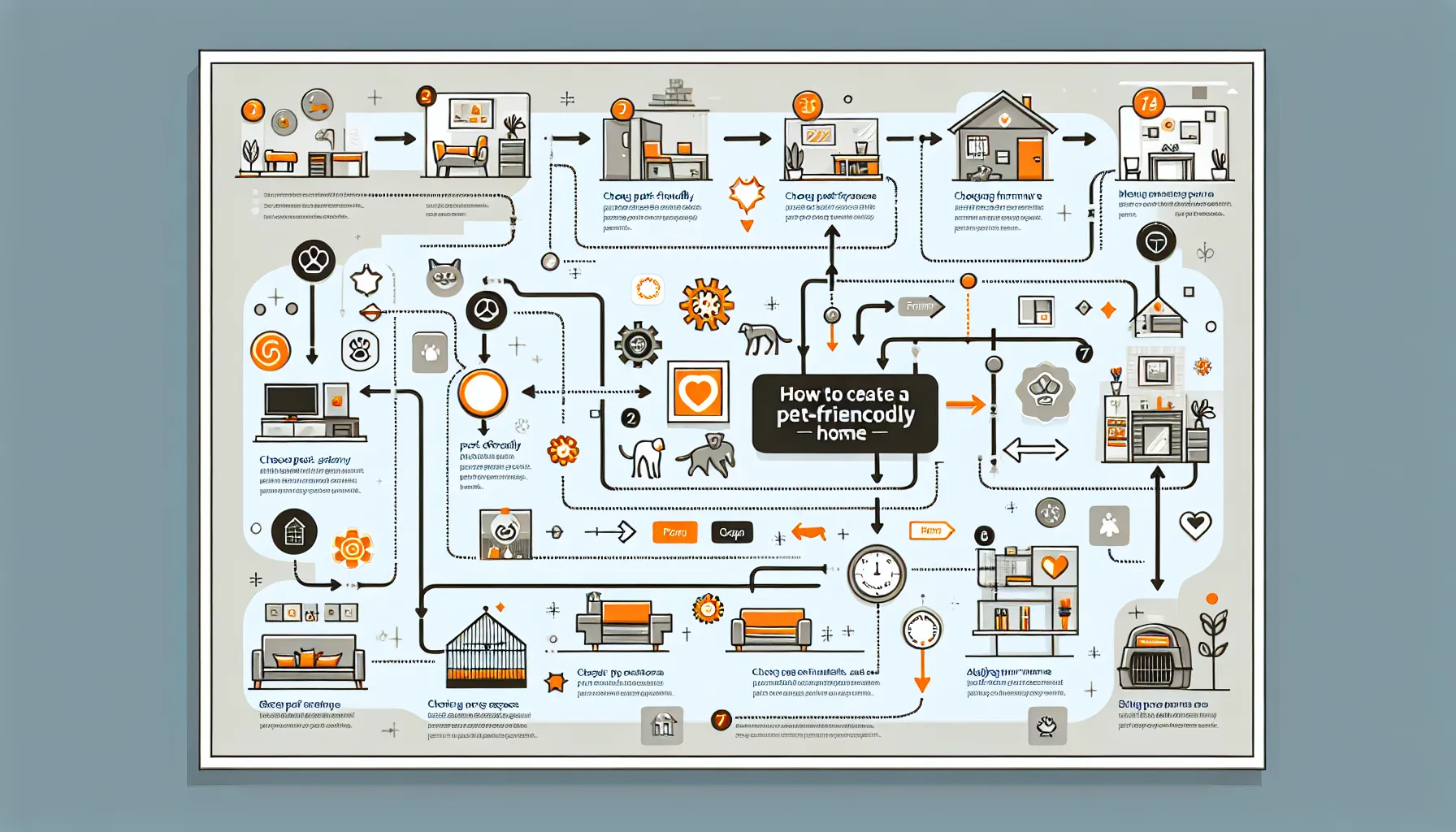
Creating a pet-friendly home goes beyond simply accommodating your furry friend’s needs; it also involves incorporating decor that aligns with your personal style while ensuring functionality. In this section, we will explore how pet owners can balance aesthetic choices with practical solutions. We will discuss functional decor and trendy aesthetic options that enhance the living space for both pets and owners.
Functional Decor
When setting up for pets, functionality is essential. The right decor not only accommodates your pet but also makes everyday life easier. Here are some key functional decor ideas that every pet owner should consider:
Stylish Pet Beds: Modern pet beds come in various shapes, colors, and materials that can blend seamlessly with your home decor. For instance, the PetFusion Ultimate Dog Bed features a sleek design with memory foam for comfort, making it both practical and stylish. Research shows that a well-placed pet bed can significantly reduce anxiety in pets by providing them with a secure space of their own.
Decorative Storage Solutions: Keeping pet supplies organized is critical for maintaining a tidy home. Decorative baskets or stylish cabinets can store toys, leashes, and grooming supplies while adding to the decor. For example, the Mdesign Fabric Storage Bin is a chic solution that can be tucked away in a corner or displayed on shelves.
Washable Rugs: Choosing rugs that are easy to clean is a practical choice for pet owners. Brands like Ruggable offer washable rugs that can withstand the wear and tear of pet life while maintaining style. According to a survey by the American Pet Products Association, 68% of U.S. households own a pet, highlighting the need for durable yet stylish decor options.
Pet Gates with Style: If you need to restrict your pet’s access to certain areas, consider decorative pet gates. These gates are designed to look like traditional furniture, ensuring that your home remains visually cohesive. The Cardinal Gates stairway model, for instance, comes in various finishes to match your interior.
Aesthetic Choices
While functionality is vital, aesthetic choices also play a crucial role in creating a pet-friendly environment. Here are some trendy decor options that enhance the overall look of your home:
Pet Art and Decor: Incorporating art that celebrates your pet can be a delightful way to personalize your space. Custom pet portraits or whimsical prints can serve as conversation starters while showcasing your love for your furry friend. Websites like Etsy offer a wide range of unique pet-themed artwork that can elevate your decor.
Natural Materials: Using natural materials like wood, cotton, and bamboo in your decor not only enhances aesthetics but also promotes a healthier home environment for both pets and humans. Sustainable choices are increasingly popular, with many brands now offering eco-friendly pet products. A report by the World Economic Forum indicates that the demand for sustainable goods is growing, driven by a more environmentally conscious consumer base.
Color Schemes that Complement Pets: When choosing colors for your home, consider shades that hide pet hair and stains. Earthy tones, muted greens, and grays can be both stylish and practical. According to a recent study by Zillow, homes with neutral color schemes sell for 2.3% more than those with bold colors, indicating a preference for subtlety in decor.
Trendy Furniture: Furniture that incorporates pet-friendly features is on the rise. For example, the Chewy brand offers a range of furniture with built-in storage for pet supplies and hidden compartments for toys. This not only keeps the living area tidy but also adds a modern touch to your home.
Conclusion
Incorporating pet-friendly decor is about striking the right balance between style and functionality. By selecting stylish pet beds, decorative storage solutions, and trendy aesthetic choices, pet owners can create a harmonious living environment that caters to both their needs and those of their pets. As the demand for pet-friendly home decor continues to rise, more options become available, allowing for greater creativity in designing a pet-friendly space.
For additional insights on creating a pet-friendly home, consider checking out resources like The Spruce’s guide on pet decor or Vogue’s lifestyle section. Embracing these home tips for pet owners not only enhances your living space but also enriches the lives of your beloved pets.
Technology for Pet Owners
In today’s digital age, technology plays a pivotal role in enhancing the pet ownership experience. A well-thought-out pet-friendly home guide includes incorporating various technological tools that not only ease daily tasks but also ensure the safety and well-being of your furry companions. From smart home devices to pet monitoring systems, setting up for pets has never been easier or more efficient.
Smart Home Devices
Smart home devices are revolutionizing the way pet owners manage their households. These devices can streamline feeding, cleaning, and even playtime, making it simpler to create a pet-friendly space. Here are some popular smart home devices that can enhance pet care:
Automatic Feeders: These devices allow owners to schedule meal times and control portion sizes remotely. Brands like PetSafe and WOpet offer models that can be programmed through smartphone apps, ensuring pets are fed on time, even when owners are away. According to a report by the American Pet Products Association, 67% of U.S. households own a pet, and many owners are turning to technology for assistance in feeding routines.
Smart Pet Doors: Products like the SureFlap Microchip Pet Door allow pets to enter and exit the home freely while keeping unwanted animals out. These doors can be programmed to recognize your pet’s microchip, ensuring your home remains secure while giving your pet the freedom to explore.
Smart Water Fountains: Devices such as the PetSafe Drinkwell offer fresh, filtered water on demand. These fountains encourage pets to drink more water, which is essential for their health. Hydration is particularly important for pets, as studies show that around 30% of dogs and cats suffer from dehydration at any given time.
Pet Monitoring Systems
Pet monitoring systems have gained immense popularity among pet owners, providing peace of mind when they are away from home. These systems allow owners to keep an eye on their pets and interact with them remotely. Key features of these systems include:
Pet Cameras: Devices like the Furbo Dog Camera not only let you see your pet but also allow you to interact with them through two-way audio and treat tossing. A recent survey found that 70% of pet owners use cameras to monitor their pets while away. This can help alleviate anxiety for both pets and their owners.
Motion Sensors: These sensors can alert owners if their pets are engaging in unusual behavior, such as chewing furniture or accessing restricted areas. Devices like the Petcube Bites 2 come equipped with motion detection and can send alerts directly to your smartphone.
Health Monitoring Devices: Wearable technology, such as the Whistle Go Explore, tracks your pet’s activity levels and health metrics. This information can help owners monitor their pets’ well-being and fitness, making it easier to address any potential health issues early on. According to a study published in the Journal of Veterinary Internal Medicine, regular exercise is crucial for maintaining a pet’s health, and these devices can play a significant role in encouraging active lifestyles.
Benefits of Technology for Pet Owners
Integrating technology into your pet care routine offers numerous benefits:
- Remote Monitoring: Stay informed about your pets’ activities and well-being, allowing for quick intervention if needed.
- Convenience: Automate feeding and other daily tasks, freeing up time for pet owners to spend with their pets.
- Health Management: Track your pet’s health and activity levels, making it easier to maintain their overall well-being.
- Increased Safety: Smart devices can provide alerts and security features that protect both pets and homes.
Conclusion
As technology continues to evolve, pet owners have access to innovative solutions that enhance the pet ownership experience. By incorporating smart home devices and pet monitoring systems into your home, you can create a more efficient, safe, and enjoyable environment for your pets. The future of pet care looks promising, and embracing these technological advancements is a vital step in becoming a responsible and proactive pet owner.
For more insights on how technology is transforming pet care, check out articles from TechCrunch and Wired, which cover the latest advancements in smart home technology and pet gadgets. Additionally, the American Pet Products Association provides valuable resources for pet owners looking to enhance their pet-friendly home.
Outdoor Spaces and Pets
Creating a pet-friendly home goes beyond the walls of your house; it extends to your outdoor spaces. A well-designed outdoor area can provide your pets with joy, exercise, and a safe haven to explore. In this section, we will discuss how to create a pet-friendly yard and ensure safety in outdoor environments, providing a comprehensive pet-friendly home guide.
Creating a Pet-Friendly Yard
Landscaping choices can significantly enhance a pet’s enjoyment of your outdoor space. Here are some essential tips for setting up your yard with pets in mind:
Choose Non-Toxic Plants: Many common plants can be toxic to pets. For instance, lilies, azaleas, and oleander are harmful to dogs and cats. Instead, opt for pet-friendly varieties like sunflowers, snapdragons, and marigolds. The ASPCA provides a comprehensive list of toxic and non-toxic plants which can be a valuable resource for pet owners looking to landscape with safety in mind (ASPCA Plant Toxicity).
Install a Dog Run: A designated dog run can give your pet a safe space to exercise and play. Use secure fencing and consider adding features like agility equipment. For example, the popularity of dog agility courses has surged, with many pet owners investing in simple setups that include tunnels and jumps, fostering both physical and mental stimulation.
Create Shade and Water Stations: Pets can overheat quickly, especially during the summer months. Ensure your yard has shaded areas where pets can rest. Additionally, provide fresh water stations to keep them hydrated while they play.
Use Safe Ground Cover: Gravel, grass, and mulch can be great ground covers, but ensure that any mulch used is pet-safe. Cocoa mulch, for instance, contains theobromine, which is toxic to dogs. Instead, consider using cedar or pine bark mulch as safer alternatives.
Implement a Secure Fencing System: Fencing is crucial for preventing pets from wandering off. The ideal fence should be at least six feet high for dogs prone to jumping. Make sure to check for gaps or holes where pets could escape. Using materials like vinyl or wood can provide durability and safety.
Safety in Outdoor Environments
While outdoor spaces can be fun for pets, they also present safety challenges. Here are some home tips for pet owners to ensure their pets remain safe while enjoying the outdoors:
Supervise Playtime: Even in a fenced yard, supervision is critical. Pets can become distracted and may wander off or get into trouble. Regularly check on them, especially during playtime.
Regularly Inspect the Yard: Conduct routine checks for hazardous materials, such as sharp objects, toxic plants, or stagnant water that could harbor bacteria and parasites. Keeping the yard clean can prevent potential health issues for your pets.
Be Mindful of Weather: Extreme temperatures can be dangerous for pets. In hot weather, avoid leaving pets outside for long periods. Conversely, during cold months, provide a warm shelter and ensure they have access to a heated area.
Use Pet-Safe Pest Control: Many pest control substances can be harmful to pets. Consider using natural pest deterrents or products labeled as pet-safe. According to a study by the National Pesticide Information Retrieval System, many conventional pest control methods can be toxic to pets, so opting for safer alternatives is essential for a pet-friendly space.
Consider Outdoor Enrichment: Enrich your pet’s outdoor experience with toys, obstacle courses, or even pet-friendly water features. For instance, a small kiddie pool can provide a fun, refreshing spot for dogs during hot days.
Creating a pet-friendly outdoor environment not only benefits your furry friends but also enhances your home’s overall appeal. By implementing the above strategies, you can ensure that your yard is a safe, enjoyable space for your pets.
Conclusion
Setting up a pet-friendly home involves thoughtful planning both indoors and outdoors. By focusing on creating a pet-friendly yard and ensuring safety in outdoor environments, pet owners can foster a welcoming space that meets their pets’ needs. Remember, a little effort in landscaping and safety measures can go a long way in enhancing your pets’ quality of life while also enriching your home experience.
For more insights on maintaining a pet-friendly environment, check out resources from the American Kennel Club and the Humane Society.
Key Takeaways
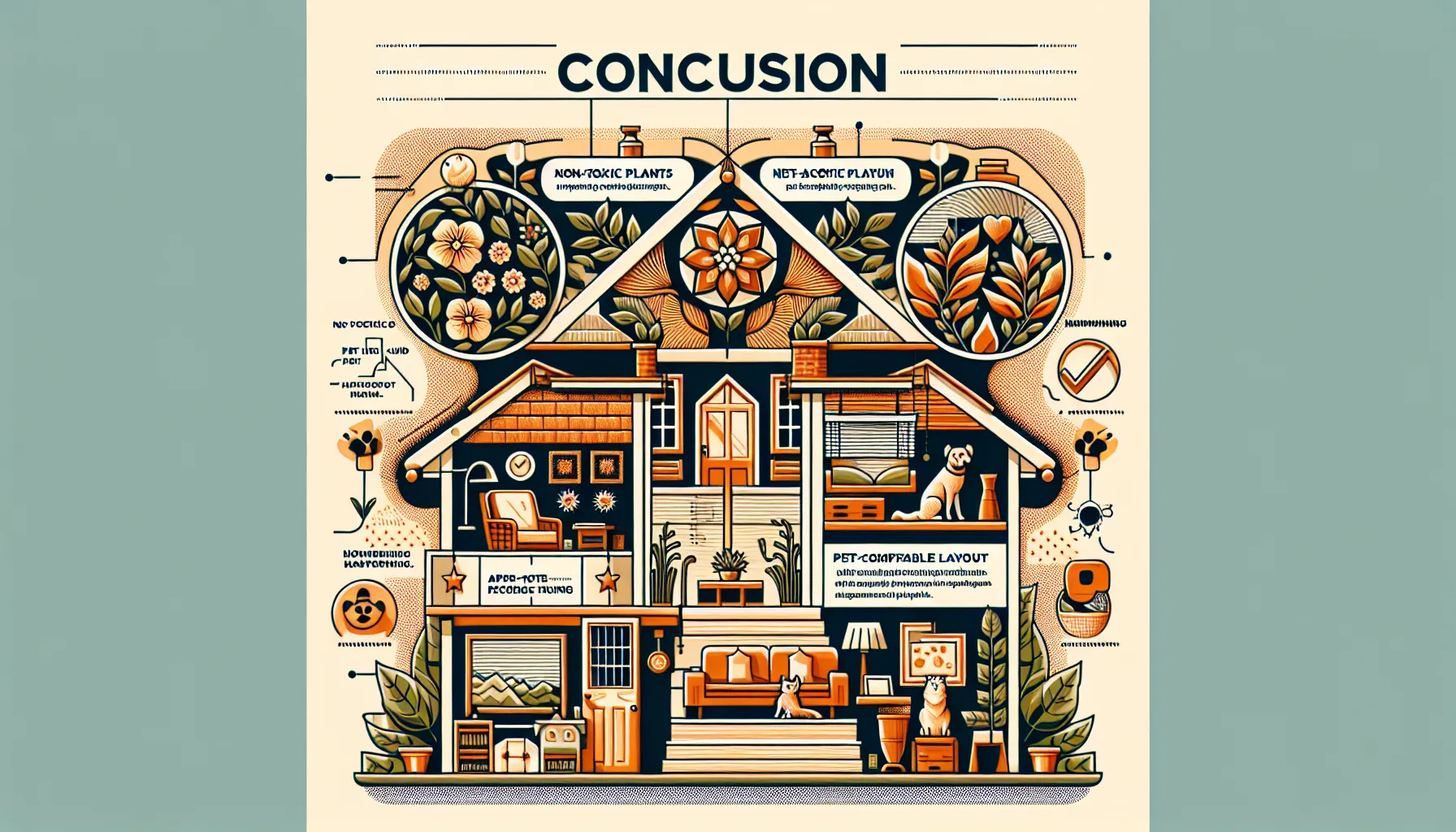
Creating a pet-friendly home is not merely a trend; it represents a fundamental shift in how we view our living spaces and our furry companions. Currently, adopting a pet-friendly approach enhances the living experience for both pets and their owners. This transformation fosters a nurturing environment that prioritizes the needs of all family members, including our pets. It is essential to recognize that our living spaces can be adapted to better accommodate the unique requirements of our animal companions.
To embark on the journey of setting up a pet-friendly home, start by evaluating your current spaces and making necessary adjustments. Simple modifications like securing cords, choosing pet-safe plants, and investing in durable furniture can significantly enhance the safety and comfort of your home. These actions not only ensure a secure environment for pets but also contribute to the overall aesthetic appeal of the living space. Consider incorporating pet-friendly materials such as washable fabrics and non-toxic cleaning supplies that are safe for both pets and humans.
Moreover, emerging trends indicate a growing emphasis on sustainability and technology in pet-friendly homes. Nowadays, more pet owners are opting for eco-friendly products and smart home technologies that cater specifically to the needs of pets. For instance, automated feeding systems, pet cameras, and interactive toys can enhance the quality of life for pets while providing peace of mind to their owners. As we look towards the future, integrating these technologies will likely become a standard practice in designing pet-friendly environments.
The future outlook for pet-friendly homes appears promising, particularly as awareness around sustainability continues to rise. According to a recent report by Green Home Guide, many homeowners are now prioritizing eco-conscious choices that benefit both the environment and their pets. This trend is expected to grow, with more innovative solutions emerging that align with sustainable living practices.
In conclusion, the key to a successful pet-friendly home lies in understanding the balance between design, safety, and comfort. As you consider creating or updating your space, take actionable steps to ensure that your home is inviting for both pets and humans. Start with small changes and work your way up to larger renovations, keeping an eye on the latest trends in sustainability and technology. By doing so, you not only enhance your living space but also contribute to a healthier and happier environment for your pets.
Now is the time to take action. Evaluate your home with a fresh perspective, considering both the immediate needs of your pets and the long-term implications of your choices. Embrace the future of pet-friendly living by staying informed and continuously adapting to the evolving landscape. For further insights, check out PetSmart’s resourceful guides on creating comfortable spaces for your pets.
Frequently Asked Questions
What are the best materials for a pet-friendly home?
When designing a pet-friendly home, opt for durable and easy-to-clean materials. Consider hardwood or laminate flooring, as they are scratch-resistant and can be easily wiped clean. For furniture, choose fabrics like microfiber or outdoor materials that resist stains and odors. Additionally, use non-toxic paints and finishes to ensure your pet’s safety. Avoid plush carpets, as they trap hair and odors. Instead, use washable rugs that can be easily laundered to maintain cleanliness and comfort for both you and your furry friends.
How can I create a safe space for my pet?
Creating a safe space for your pet involves designating an area free from hazards and distractions. Start by selecting a quiet corner with comfortable bedding and toys. Ensure the space is secure from potential dangers like electrical cords, toxic plants, or small items that could be swallowed. Consider using baby gates to restrict access to unsafe areas of your home. Additionally, provide calming items like a blanket or a favorite toy to help your pet feel secure and relaxed in their designated safe haven.
What technology should I consider for my pet-friendly home?
In a pet-friendly home, technology can enhance your pet’s safety and comfort. Consider installing pet cameras to monitor their activities when you’re away, ensuring they are safe and content. Smart feeders can help manage your pet’s diet and feeding schedule. Additionally, automatic litter boxes can simplify cleaning for cat owners. You might also explore pet-friendly smart home devices, like climate control systems to keep your pet comfortable, or smart collars that track your pet’s location and health metrics, providing peace of mind for pet owners.
How can I pet-proof my home effectively?
To pet-proof your home effectively, begin by identifying potential hazards and removing them. Secure cords and cables to prevent chewing, and store toxic substances, such as cleaning supplies and medications, out of reach. Use childproof locks on cabinets that house dangerous items. Ensure windows and balconies have screens to prevent accidental falls. Additionally, keep small objects that could be swallowed out of your pet’s reach. Regularly inspect your home for any new hazards as your pet grows and becomes more curious about their surroundings.
What are some pet-friendly decor ideas?
When decorating a pet-friendly home, opt for functional yet stylish decor. Use washable slipcovers and rugs to protect furniture from stains and hair. Incorporate decorative storage solutions for toys and pet supplies to keep your space organized. Choose furniture with durable materials that can withstand wear and tear. Consider setting up a dedicated pet area with stylish pet beds or crates that complement your decor. Lastly, include pet-friendly plants such as spider plants or Boston ferns to enhance your space while ensuring your pet’s safety.
How can I minimize pet odors in my home?
To minimize pet odors in your home, maintain a regular cleaning routine. Vacuum frequently to remove pet hair and dander, and consider investing in a vacuum designed for pet owners. Wash pet bedding, toys, and any fabric surfaces regularly. Use enzyme-based cleaners to effectively eliminate odors, especially in areas where accidents may occur. Air purifiers can also help, as they filter out pet dander and odors. Additionally, ensure proper ventilation throughout your home to keep the air fresh, and use natural air fresheners or pet-safe sprays to add pleasant scents.
What are some tips for creating a pet-friendly garden?
Creating a pet-friendly garden involves using safe plants and designing a secure outdoor space. Choose non-toxic plants like marigolds, herbs, and sunflowers, avoiding toxic varieties such as lilies or azaleas. Fencing is crucial; ensure it’s tall enough to prevent escapes and secure gaps to keep pets safe. Design pathways with materials like gravel or mulch that are safe for pets to walk on. Lastly, provide shaded areas and fresh water to keep your pets comfortable while they enjoy their time outside, ensuring a fun and safe environment for them.