
How to Spot and Prevent Common Skin Issues in Dogs
Learn how to spot and prevent common dog skin issues with effective treatments for optimal dog health skin care.


24 min read
What You Need to Know
Did you know that nearly 40% of dogs experience some form of skin issue during their lifetime? This surprising statistic highlights the importance of dog skin health, as many pet owners often underestimate the impact of skin conditions on their furry companions. In recent times, there has been a growing awareness of common dog skin problems, ranging from allergies to infections, which can significantly affect a dog’s quality of life. Understanding how to spot and prevent these issues is crucial for any responsible pet owner.
This article provides a comprehensive overview of how to recognize signs of skin issues in dogs and offers effective strategies for prevention. We will delve into the most common dog skin issues, including their symptoms and underlying causes, as well as practical advice on dog health skin care that every pet owner should implement. Additionally, we will discuss the significance of routine veterinary check-ups and how they contribute to early detection and treatment of skin conditions.
Recognizing the signs of common skin issues is essential for timely intervention. Symptoms such as excessive itching, redness, and hair loss may indicate underlying conditions that need immediate attention. By being vigilant and informed, you can take proactive steps to safeguard your dog’s skin health.
Furthermore, learning preventive measures for dog skin care can go a long way in minimizing the risk of skin problems. Simple changes in grooming routines, dietary adjustments, and environmental management can significantly enhance your dog’s skin resilience. Resources like the PetMD guide on dog skin care provide valuable insights into maintaining healthy skin for your pet.
As a pet owner, your role in monitoring and maintaining your dog’s skin health is paramount. With the right knowledge and tools, you can prevent common dog skin issues and ensure your furry friend leads a comfortable and happy life. In this article, we will equip you with the essential information you need to protect your dog’s skin and overall health.
Identifying Common Dog Skin Problems
Dogs, much like humans, can suffer from various skin issues that might affect their overall health and well-being. Understanding how to spot these common dog skin problems is crucial for timely intervention and effective dog health skin care. This section will focus on two prevalent categories: allergies and infections.
Allergies
Allergies are one of the most common causes of skin issues in dogs. They can manifest in several ways, including itching, redness, or rashes, which can lead to further complications if left untreated. The most frequent types of allergies in dogs include:
- Flea Allergy Dermatitis: This is a hypersensitive reaction to flea saliva, causing severe itching and inflammation. Studies show that flea allergy dermatitis affects approximately 10% of dogs, making it one of the most common dog skin issues.
- Food Allergies: Certain ingredients in dog food, such as beef, chicken, or grains, can trigger allergic reactions. Symptoms may include itching, gastrointestinal upset, and skin infections.
- Environmental Allergens: Pollens, dust mites, and mold can also cause allergic reactions in dogs. Seasonal allergies are particularly prevalent, with symptoms peaking during certain times of the year.
According to a study published in the Journal of Veterinary Dermatology, the prevalence of allergies in dogs is on the rise, with environmental allergens becoming increasingly significant. The study suggests that nearly 15% of dogs are affected by some form of allergy, indicating a critical need for effective dog skin issues prevention strategies.
Infections
Skin infections can occur as a result of allergies or other underlying health issues. These infections typically present as hot spots or pustules and can be very painful for dogs. The two primary types of skin infections are:
- Bacterial Infections: These often occur when bacteria invade compromised skin, leading to hot spots characterized by redness, swelling, and oozing. Hot spots are common in dogs with long hair or those that frequently swim.
- Fungal Infections: Yeast infections, particularly caused by Malassezia, can lead to itchy, inflamed skin. Dogs with floppy ears or those that are overweight are at a higher risk for these infections.
A recent survey by the American Veterinary Medical Association indicates that skin infections account for nearly 20% of veterinary visits for dogs. This statistic emphasizes the importance of early detection and treatment of skin issues.
Key Signs to Watch For
To effectively manage and prevent dog skin issues, owners should stay vigilant for the following signs:
- Excessive scratching or biting at the skin
- Red, inflamed patches of skin
- Presence of scabs or crusts
- Foul odor emanating from the skin
- Hair loss in certain areas
Recognizing these symptoms early can lead to timely veterinary intervention, which is crucial for successful treatment.
How to Treat Dog Skin Issues
When it comes to treating dog skin issues, the approach will vary depending on the underlying cause. Here are some general strategies:
- Veterinary Consultation: Always consult a veterinarian if you notice signs of skin problems. They can provide a proper diagnosis and treatment plan.
- Medications: Antihistamines, corticosteroids, and antibiotics may be prescribed depending on whether the issue is allergic, bacterial, or fungal.
- Diet Management: For dogs with food allergies, a change in diet may be necessary. Always consult with a veterinarian before making significant dietary changes.
- Regular Grooming: Regular bathing with hypoallergenic shampoos can help manage allergens on the skin and fur.
Prevention Strategies
Preventing common dog skin issues is achievable with proactive measures:
- Regularly check for fleas and ticks, especially during warmer months.
- Maintain a clean living environment to reduce exposure to allergens.
- Ensure a balanced diet to bolster the dog’s immune system.
- Schedule routine veterinary check-ups to monitor skin health.
By incorporating these practices, pet owners can significantly reduce the likelihood of their dogs experiencing skin problems.
In conclusion, understanding how to identify and address common dog skin problems is essential for maintaining your pet’s health. Awareness of allergies and infections, along with effective prevention strategies, can lead to a happier and healthier life for your furry friend. For more information on dog skin care, resources such as the American Kennel Club and the ASPCA offer valuable insights into maintaining your dog’s overall health.
Current Trends in Dog Skin Health
As awareness of dog health skin care continues to grow, pet owners are increasingly turning towards natural remedies and holistic approaches to address common dog skin problems. Recent trends indicate a significant shift in how dog owners approach skin health, moving away from synthetic treatments to more organic solutions. This section explores these trends in detail, emphasizing the rising demand for natural products and holistic methods.
Natural Remedies
Natural remedies have surged in popularity among dog owners, driven by a desire for safer and more effective treatments. Many pet owners are now aware that certain ingredients can provide relief for various skin conditions without the adverse effects often associated with pharmaceuticals. Here are some notable natural remedies that are gaining traction:
Oatmeal Shampoos: With their soothing properties, oatmeal shampoos have become a staple in dog grooming. Studies show that these products can help alleviate itching and inflammation caused by allergies or irritants. According to a survey conducted by the American Kennel Club, over 60% of pet owners reported using oatmeal-based shampoos for their dogs.
Coconut Oil: Known for its moisturizing benefits, coconut oil is being used to treat dry skin and hot spots. Its antimicrobial properties also help in preventing infections, making it a versatile addition to dog skin care routines.
Aloe Vera: This natural ingredient is often utilized for its healing properties. Aloe vera can soothe irritated skin and promote healing, making it a popular choice for minor cuts and abrasions.
Apple Cider Vinegar: Used as a topical solution, diluted apple cider vinegar can help combat fungal infections and alleviate itchiness. Many dog owners are finding success with this natural remedy, especially for dogs suffering from seasonal allergies.
Recent data from market research indicates that the demand for organic dog skin care products has increased by 35% over the past two years, reflecting pet owners’ growing preference for natural options source: Nielsen.com.
Holistic Approaches
Holistic approaches to dog skin health focus on the overall well-being of the animal rather than just treating symptoms. This method considers factors such as diet, environment, and stress levels, which can all impact a dog’s skin health. Here are some key aspects of holistic approaches that are gaining popularity:
Dietary Adjustments: Nutrition plays a crucial role in dog health skin care. A diet rich in omega-3 fatty acids, for example, can significantly improve skin condition. Foods like salmon and flaxseed are known to promote a healthy coat and reduce inflammation.
Stress Management: Stress can exacerbate skin issues in dogs. Techniques such as regular exercise, mental stimulation, and even canine massage are being embraced by pet owners to help their dogs relax and maintain healthy skin.
Herbal Supplements: Many pet owners are incorporating herbal supplements into their dogs’ diets. Ingredients like calendula and chamomile are believed to support skin health and reduce inflammation.
Regular Grooming: Holistic care emphasizes the importance of regular grooming. Not only does this help to remove dead skin and prevent matting, but it also promotes circulation and skin health.
The appeal of these holistic methods is also reflected in consumer behavior. A recent survey by the Pet Food Institute found that 45% of dog owners are willing to invest more in premium, holistic products for their pets, indicating a shift towards more conscientious pet care choices source: PetFoodInstitute.org.
Conclusion
In summary, the current trends in dog skin health show a definitive move toward natural and holistic remedies. Pet owners are increasingly aware of the benefits these approaches provide, leading to a growing market for organic dog skin care products. With statistics indicating a significant rise in the use of oatmeal shampoos and other natural solutions, it is clear that dog owners are prioritizing their pets’ health in more conscious and thoughtful ways. As these trends continue, the focus on dog skin issues prevention through natural and holistic means is likely to expand, offering dogs healthier lives and happier owners.
For more insights on dog skin care and health trends, consider visiting NPR’s pet care section and The Guardian’s lifestyle section.

Prevention Strategies for Dog Skin Issues
Preventing common dog skin issues is crucial for maintaining your dog’s health and overall well-being. Proactive measures can help you identify potential problems early and keep your pet comfortable. Two of the most effective strategies include regular grooming and a balanced diet.
Regular Grooming
Regular grooming plays a vital role in dog skin issues prevention. Not only does it keep your dog looking and smelling fresh, but it also allows you to monitor their skin for any signs of problems. Here are some key benefits of regular grooming:
- Early Detection: Consistent grooming helps identify skin issues, such as rashes, lumps, or parasites, before they escalate into serious conditions.
- Improved Circulation: Grooming stimulates blood circulation, which promotes healthier skin and fur.
- Reduced Shedding: Regular brushing eliminates loose fur and dander, reducing the chances of skin irritation and allergies.
Experts recommend grooming your dog according to their coat type. For example, long-haired breeds may require daily brushing, while short-haired dogs may only need grooming once a week. According to a study published in the Journal of Veterinary Dermatology, owners who groomed their pets regularly reported a 30% reduction in skin-related veterinary visits compared to those who groomed less frequently.
Balanced Diet
A balanced diet is essential not only for your dog’s overall health but also for maintaining optimal skin and coat condition. What your dog eats directly impacts their skin health. Consider the following aspects of a balanced diet:
- High-Quality Proteins: Proteins are the building blocks of skin. Ensure your dog receives high-quality protein sources, like chicken, beef, or fish.
- Omega Fatty Acids: Omega-3 and Omega-6 fatty acids are crucial for skin health. They help maintain skin barrier function and reduce inflammation. Fish oil is an excellent source of Omega-3 fatty acids; studies have shown that incorporating it into a dog’s diet can significantly improve skin conditions, such as itching and dryness. Research from the University of Illinois College of Veterinary Medicine indicates that dogs receiving Omega-3 supplements showed a 60% improvement in skin health over a 12-week period.
Here is a table summarizing the nutritional components beneficial for skin health:
| Nutritional Component | Benefits |
|---|---|
| High-Quality Proteins | Supports skin structure and repair |
| Omega-3 Fatty Acids | Reduces inflammation and soothes skin |
| Omega-6 Fatty Acids | Maintains skin barrier and hydration |
| Antioxidants | Protects skin from damage and promotes healing |
Practical Tips for Implementation
To effectively prevent common dog skin problems, consider the following strategies:
- Establish a Grooming Routine:
- Choose a specific day of the week for grooming.
- Use appropriate tools based on your dogs coat type (e.g., slicker brushes for long-haired dogs).
- Monitor Dietary Changes:
- Gradually introduce new foods or supplements to avoid digestive upset.
- Observe any changes in your dogs coat and skin after dietary adjustments.
- Consult with Professionals:
- Regular veterinary check-ups can help catch issues early.
- Consider working with a pet nutritionist to optimize your dog’s diet for skin health.
Conclusion
In summary, implementing regular grooming and a balanced diet are key strategies in dog health skin care and preventing common dog skin issues. By being proactive, you can ensure your dog remains healthy and comfortable, reducing the risk of serious skin conditions.
For more insights on pet health and nutrition, consider visiting resources such as the Mayo Clinic and the American Kennel Club. Additionally, recent studies from reputable sources like ScienceDirect highlight the importance of nutrition in maintaining pet health. By following these prevention strategies, you can significantly improve your dog’s skin health and overall quality of life.
How to Treat Dog Skin Issues Effectively
When it comes to dog skin issues, timely and appropriate treatment is essential. Understanding the available treatment options can help pet owners manage their dog’s skin problems effectively. This section will explore both veterinary treatments and home remedies, emphasizing the importance of consulting a veterinarian for persistent skin issues while also providing options for temporary relief through home remedies.
Veterinary Treatments
Consulting a veterinarian is crucial for diagnosing and treating persistent skin conditions in dogs. A veterinarian can perform a thorough examination, run necessary tests, and recommend appropriate treatments based on the specific skin issue. Here are some common veterinary treatments:
Topical Medications:
Corticosteroids to reduce inflammation and itching.
Antifungal creams for fungal infections such as ringworm.
Antibiotic ointments for bacterial infections.
Oral Medications:
Antibiotics for systemic infections.
Antihistamines for allergic reactions.
Corticosteroids to manage severe inflammation.
Specialized Shampoos:
Medicated shampoos containing ingredients like chlorhexidine or benzoyl peroxide can help treat various skin conditions such as seborrhea or pyoderma.
Allergy Testing and Immunotherapy:
In cases of suspected allergies, veterinarians may recommend allergy testing. Immunotherapy can help desensitize dogs to allergens over time.
Recent data from the American Veterinary Medical Association indicates that skin disorders are among the top reasons pet owners seek veterinary care, accounting for approximately 20% of all veterinary visits. This underscores the importance of prompt veterinary intervention for effective treatment.
Home Remedies
While veterinary care is essential for persistent or severe skin issues, some mild conditions can benefit from home remedies. These remedies can provide temporary relief and support overall dog health skin care. Here are some effective home remedies:
Aloe Vera:
Aloe vera gel is known for its soothing properties and can help treat minor skin irritations and burns. Apply a small amount directly to the affected area to alleviate discomfort.
Oatmeal Bath:
Colloidal oatmeal can soothe itchy and inflamed skin. Adding it to a lukewarm bath can help relieve symptoms associated with allergies or dry skin.
Coconut Oil:
Coconut oil has antimicrobial properties and can help moisturize dry skin. Applying a thin layer to affected areas can provide relief from itching and irritation.
Apple Cider Vinegar:
Diluted apple cider vinegar (mix one part vinegar with three parts water) can be used as a topical treatment for minor skin infections. Its antifungal properties help combat yeast infections.
Fish Oil Supplements:
Omega-3 fatty acids found in fish oil can improve skin health and reduce inflammation. Consult your veterinarian for appropriate dosage recommendations.
Baking Soda Paste:
A paste made from baking soda and water can be applied to itchy areas to relieve discomfort. Leave it on for a short period before rinsing.
It is important to note that while home remedies can provide relief, they should not replace professional veterinary advice, especially for persistent or severe skin issues.
Summary
Treating dog skin issues effectively requires a combination of professional veterinary care and appropriate home remedies. Persistent skin conditions should always be evaluated by a veterinarian to ensure a proper diagnosis and treatment plan. For mild cases, home remedies can offer temporary relief and support dog health skin care.
As a final reminder, maintaining a healthy diet, regular grooming, and preventive care are essential components of dog skin issues prevention. By being proactive, pet owners can help minimize the occurrence of common dog skin problems.
For more information about dog skin health, check out resources from the Mayo Clinic and American Kennel Club. Additionally, the Veterinary Partner offers valuable insights into treating various dog skin issues.

Future Projections in Dog Skin Care
As we look to the future of dog skin care, emerging treatments and technological advances are paving the way for a new era in the prevention and treatment of common dog skin issues. The integration of innovative therapies and smart technology is set to revolutionize the way pet owners manage their dogs’ skin health.
Innovative Treatments
One of the most promising areas of advancement in dog skin care is the development of gene therapy. This groundbreaking approach could potentially address genetic predispositions to various skin conditions, offering a long-term solution rather than just treating symptoms. For instance, researchers are investigating how gene editing technologies, such as CRISPR, can be utilized to correct genetic mutations that lead to skin disorders in dogs.
- Gene Therapy Benefits:
- Targeted treatment for genetic skin conditions.
- Potential for permanent solutions rather than ongoing management.
- Reduction in the need for frequent veterinary visits.
Current studies are still in the early stages, but initial results show promise for conditions like atopic dermatitis and certain forms of skin cancer. For example, a recent study published in the Journal of Veterinary Internal Medicine highlighted successful interventions using gene therapy in animal models, showcasing significant improvements in skin health metrics.
Moreover, advancements in biologics, which are drugs derived from living organisms, are being explored to treat inflammatory skin diseases in dogs. These treatments aim to modulate the immune response, thereby reducing skin inflammation and improving overall skin health.
Technological Advances
In addition to innovative treatments, technology is playing a significant role in improving dog skin care. Wearable devices designed to monitor skin conditions are currently in development. These devices can track vital signs, detect skin irritations, and even analyze the skin’s moisture levels, providing real-time data to pet owners and veterinarians.
- Key Features of Wearable Devices:
- Continuous monitoring of skin health.
- Alerts for changes in skin condition, enabling early intervention.
- Data collection to identify patterns and triggers for skin issues.
For instance, companies like PetPace are creating smart collars that monitor dogs’ vital signs and behaviors, including skin health indicators. This technology not only helps in identifying skin problems sooner but also aids in personalized treatment plans tailored for each dog’s unique needs.
Current Trends and Statistics
Recent data indicates a growing awareness among pet owners about the importance of proactive dog health skin care. A survey conducted by the American Pet Products Association (APPA) revealed that 45% of dog owners are now more inclined to invest in preventive health measures, including skin care products and treatments.
- Statistics on Dog Skin Health:
- Approximately 10-15% of dogs suffer from some form of skin issue, according to the Veterinary Dermatology Journal.
- The market for pet skin care products has seen a growth rate of nearly 7% annually, reflecting increasing consumer demand.
Expert insights from veterinary dermatologists emphasize that early intervention is crucial in managing dog skin issues. By leveraging technology and innovative treatments, pet owners can make informed decisions that enhance their dogs’ quality of life.
Conclusion
The future of dog skin care is bright, with innovative treatments and technological advances set to transform how we approach common dog skin problems. As science and technology continue to evolve, so too will our ability to spot and prevent dog skin issues effectively. Pet owners are encouraged to stay informed about these developments and consult with their veterinarians to ensure their dogs receive the best possible skin health care.
For more information on the latest advancements in pet care technology, check out TechCrunch’s latest insights and the American Veterinary Medical Association’s resources.
By staying proactive and embracing these emerging innovations, we can provide our furry companions with healthier, happier lives.
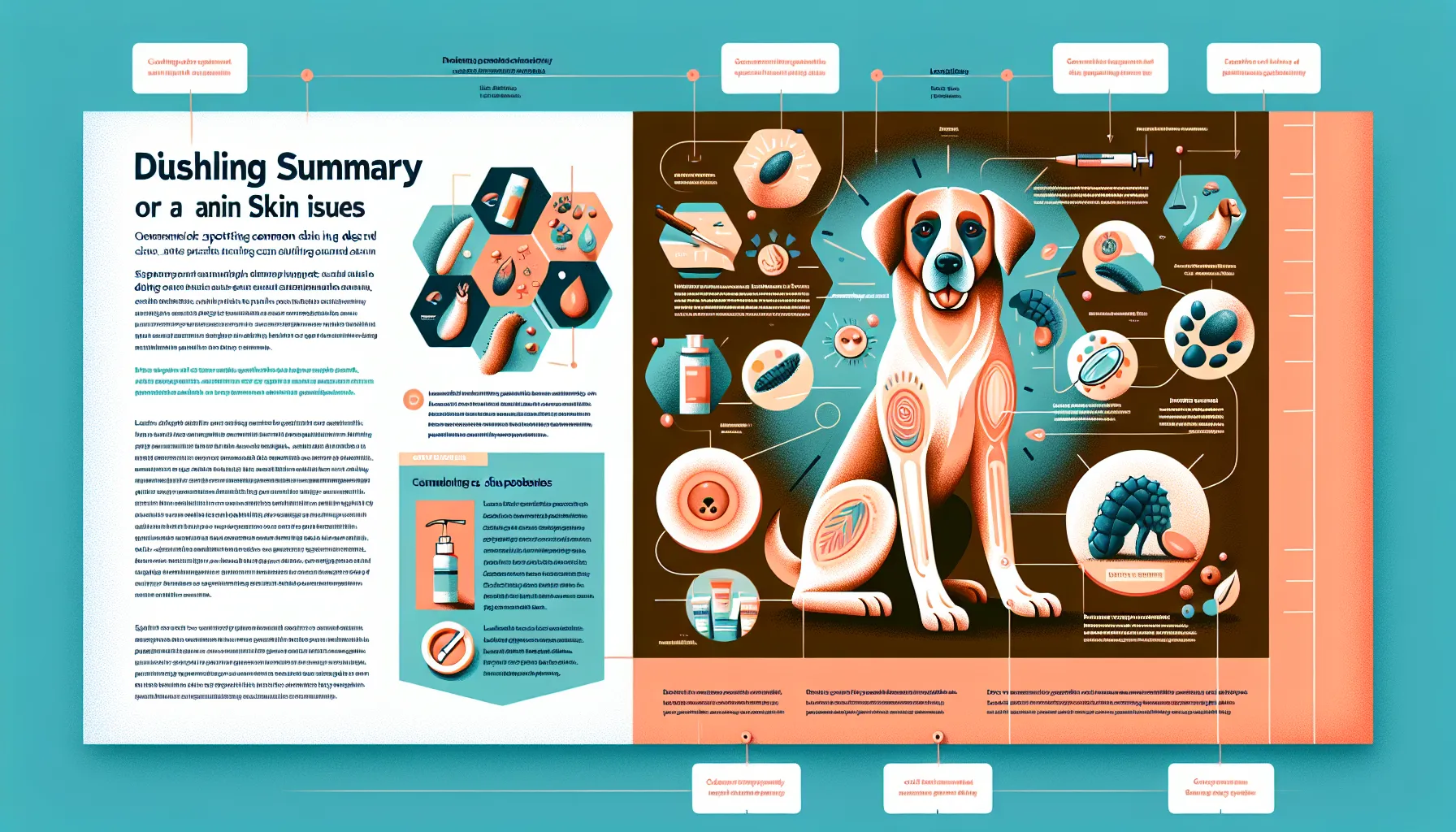
Key Takeaways
In conclusion, ensuring the skin health of our canine companions requires diligent attention and proactive measures. Regular monitoring is essential for dog skin health, as it allows pet owners to identify potential issues early. By making a habit of checking your dogs skin for abnormalities, such as rashes, redness, or unusual lumps, you can catch problems before they escalate.
Nowadays, there is a noticeable shift towards natural and holistic approaches in dog skin care. Many pet owners are increasingly opting for organic shampoos, supplements, and dietary changes that promote skin health without harsh chemicals. Products containing natural ingredients like oatmeal, aloe vera, and coconut oil are becoming more popular as they tend to be gentler and more beneficial for dogs with sensitive skin. This trend reflects a broader movement towards wellness and preventive care in pet health.
Looking toward the future, emerging trends indicate a brighter outlook for dog skin care. Innovations in veterinary dermatology, including advanced diagnostic tools and personalized treatment plans, are set to transform how skin issues are managed. Furthermore, the integration of technology, such as apps that help track skin conditions or monitor changes over time, is gaining traction among pet owners. As this technology becomes more accessible, it will empower pet owners to take charge of their dogs’ skin health more effectively.
To summarize, here are some actionable takeaways:
- Regularly inspect your dog’s skin and coat for any irregularities.
- Consider adopting natural and holistic products that benefit your dog’s skin health.
- Stay informed about emerging trends in pet dermatology and technology.
As responsible pet owners, it is crucial to be proactive in maintaining our dogs’ skin health. By implementing these practices, you can help ensure that your furry friend remains comfortable and happy. For further insights into natural dog care, check out the American Kennel Club’s guide. Additionally, for a comprehensive overview of dog skin conditions, visit Dogs Naturally Magazine. Together, lets foster a healthier future for our beloved pets.
Frequently Asked Questions
What are the most common dog skin issues?
Common dog skin issues include allergies, hot spots, dermatitis, and yeast infections. Allergies can be triggered by food, pollen, or fleas, leading to itching and inflammation. Hot spots are localized areas of skin irritation often caused by excessive scratching or biting. Dermatitis can result from contact with irritants, while yeast infections typically occur in warm, moist areas. Regularly checking your dog’s skin for changes can help you identify these issues early and seek appropriate treatment.
How can I prevent skin problems in my dog?
Preventing skin problems in dogs involves maintaining good hygiene, regular grooming, and a healthy diet. Regular baths using dog-specific shampoos can help remove dirt and allergens. Keep your dog’s environment clean and free from parasites like fleas and ticks by using appropriate preventive treatments. Additionally, ensure your dog has a balanced diet rich in omega fatty acids to support skin health. Regular veterinary check-ups can also help detect and address skin issues before they become serious.
When should I consult a vet for my dog’s skin issues?
Consult a vet for your dog’s skin issues if you notice persistent itching, redness, swelling, or unusual odors. If your dog develops hot spots or lesions that worsen over time, it’s crucial to seek professional help. Additionally, if your dog’s skin problems are accompanied by other symptoms like hair loss, lethargy, or changes in appetite, a vet visit is warranted. Early diagnosis and treatment can help prevent more severe complications and ensure your dog’s health and comfort.
What are the signs of allergies in dogs?
Signs of allergies in dogs may include excessive itching, redness, and inflammation of the skin, especially around the paws, ears, and belly. You may also observe sneezing, watery eyes, or ear infections. Allergies can lead to secondary infections due to scratching, which can worsen the condition. If you suspect your dog has allergies, its essential to identify the triggers, which may require veterinary testing, to manage and alleviate their symptoms effectively.
Can diet affect my dog’s skin health?
Yes, diet plays a crucial role in your dog’s skin health. A balanced diet that includes essential fatty acids, vitamins, and minerals can promote a healthy coat and skin. Ingredients like omega-3 and omega-6 fatty acids support skin hydration and reduce inflammation. Additionally, avoiding fillers and artificial additives can help prevent allergic reactions. If your dog has skin issues, consult your vet about dietary adjustments or potential allergies to specific ingredients in their food.
How often should I groom my dog to prevent skin issues?
The frequency of grooming depends on your dog’s breed and coat type. Generally, long-haired dogs require grooming at least once a week to prevent mats and tangles, while short-haired dogs may need grooming every few weeks. Regular brushing helps remove loose fur, dirt, and debris, reducing the risk of skin irritations. Bathing should be done as needed, typically every 4-6 weeks, using a gentle shampoo. Always consult with your groomer or vet to determine the best grooming routine for your dog.
Are certain breeds more prone to skin issues?
Yes, some dog breeds are more prone to skin issues due to their genetic predispositions. Breeds like Bulldogs, Dachshunds, and Cocker Spaniels often experience skin allergies, while others like Shar Peis are prone to skin fold infections. Additionally, breeds with thick coats may develop issues related to matting and moisture retention. Awareness of your dog’s breed-specific vulnerabilities can help you take proactive measures to maintain skin health and prevent common skin problems.
What home remedies can I use for minor skin irritations?
For minor skin irritations in dogs, home remedies such as oatmeal baths can soothe itching and inflammation. You can also apply aloe vera gel or coconut oil to moisturize and promote healing. However, it’s important to ensure that your dog doesn’t lick these treatments off. Always consult your vet before trying any home remedies, as some conditions may require professional treatment. If the irritation persists or worsens, seek veterinary advice to ensure proper care.