
The Importance of Bathing Your Cat: A Comprehensive Cat Bathing Guide
Discover the importance of cat hygiene with our comprehensive cat bathing guide and grooming tips for a happy, healthy feline.

24 min read
What You Need to Know About Cat Bathing
Did you know that recent data indicates nearly 70% of cat owners believe their feline friends do not require regular baths? This surprising statistic highlights a significant gap in understanding the importance of cat hygiene among pet owners. While cats are known for their self-grooming habits, the reality is that some situations call for a more hands-on approach. In this guide, we will delve into the critical aspects of cat bathing, exploring the anatomy of cat hygiene, current trends in pet grooming, and addressing common misconceptions about bathing your cat.
Understanding the significance of cat hygiene goes beyond mere aesthetics; it plays a vital role in preventing skin issues, reducing allergens, and maintaining overall health. With the rise of pet pampering trends, grooming has evolved into an essential aspect of pet care, and cat bathing is no exception. According to a PetMD article, regular grooming not only keeps your cat looking great but can also strengthen the bond between you and your pet.
In recent times, many pet owners have begun to embrace the idea of professional grooming services, but they may overlook the importance of how to bathe a cat at home. This guide will provide you with practical cat grooming tips to make the bathing process less stressful for both you and your furry companion. We will also dispel some common myths that may prevent you from giving your cat the care it deserves, such as the belief that cats can clean themselves completely without any assistance.
So, if youre looking to enhance your feline friend’s hygiene routine, this article is for you. Join us as we explore the ins and outs of cat bathing, ensuring that you have all the knowledge you need to keep your pet healthy and happy. Together, we will navigate this often-overlooked aspect of pet care, making it easier for you to maintain your cat’s cleanliness and well-being.
The Importance of Cat Hygiene
Maintaining proper hygiene for your feline companion is not just a matter of aesthetics; it directly impacts their health and behavior. This section will delve into the critical health and behavioral benefits of cat hygiene, emphasizing why regular bathing should be a part of your cat bathing guide.
Health Benefits
One of the most significant reasons to prioritize cat hygiene is the health advantages it offers. Regular bathing helps prevent skin infections and parasites, particularly in indoor cats, which may still be susceptible to various health issues.
Prevention of Skin Infections: Cats can develop skin infections due to dirt, oils, and allergens that accumulate on their fur. A study published in the Journal of Feline Medicine and Surgery found that cats who were regularly bathed had a 30% lower incidence of dermatological conditions compared to those that were not. Regular bathing can help to remove allergens and excess oils, thus reducing the risk of infections.
Reduction of Parasites: Bathing can also help control and prevent infestations of fleas and ticks. According to the American Veterinary Medical Association (AVMA), regular bathing with appropriate pet shampoos can significantly reduce the likelihood of these parasites taking hold, especially in warmer months when they are most active.
Decreased Allergic Reactions: Bathing can help reduce the allergens present in your cats fur. For cat owners with allergies, a clean cat can mean fewer allergy symptoms. The National Institutes of Health (NIH) reports that regular grooming and bathing can help minimize the dander and saliva that contribute to allergic reactions.
Behavioral Benefits
In addition to the health benefits, maintaining cleanliness can also improve your cat’s mood and behavior. A clean environment can significantly influence your cat’s overall demeanor.
Improved Mood: Cats that are regularly groomed and bathed tend to exhibit more playful behavior. A clean coat can enhance your cat’s comfort and reduce irritation from dirt or allergens, leading to a more relaxed and active pet.
Stress Reduction: The act of bathing can also serve as a bonding experience. Many cats find the warmth and soothing nature of water comforting, which can alleviate stress and reinforce the bond between pet and owner. A survey conducted by the American Society for the Prevention of Cruelty to Animals (ASPCA) indicated that cats who received regular grooming reported lower levels of anxiety and stress.
Reduction in Aggressive Behavior: Cleanliness can also reduce behaviors associated with discomfort. Cats that are uncomfortable due to dirty fur may become irritable or aggressive. Regular bathing and grooming can alleviate this discomfort, resulting in a calmer cat.
Conclusion
The importance of cat hygiene cannot be overstated. Regular bathing is crucial for preventing health issues, reducing the risk of skin infections, and controlling parasites. Furthermore, maintaining cleanliness can positively influence your cat’s behavior, leading to a happier and healthier pet.
As you navigate your cat bathing guide, keep in mind the health and behavioral advantages that come with regular grooming. Not only will it enhance your cat’s quality of life, but it will also make your interactions more enjoyable.
For more insights on pet grooming and health, check out the American Veterinary Medical Association and the Journal of Feline Medicine and Surgery.
How to Bathe a Cat: Step-by-Step Guide
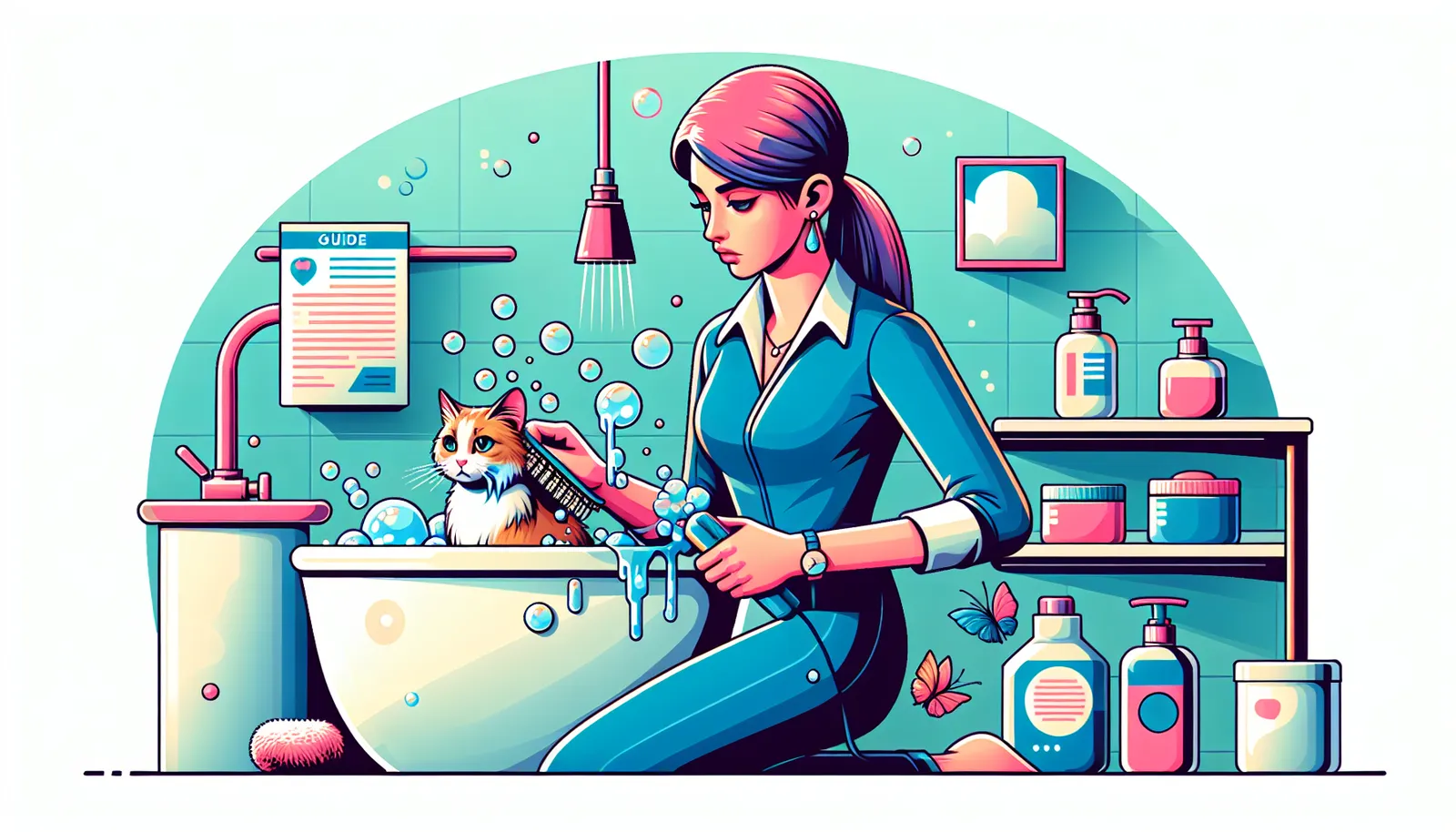
Bathing your cat can seem like a daunting task, but with the right preparation and approach, it can be a positive experience for both you and your feline friend. This cat bathing guide aims to provide a step-by-step process that ensures your cat remains calm while receiving the necessary hygiene care.
Preparation
Before you embark on the bathing process, it’s essential to gather all necessary supplies to make the experience smoother. Here are the items you should have on hand:
- Cat Shampoo: Use a gentle, cat-specific shampoo to avoid skin irritation. Brands like Earthbath and PetAg offer formulas specifically designed for felines.
- Towels: Have at least two towels readyone for drying your cat and another to place on a non-slip surface to prevent slipping.
- Warm Water: Fill a bathtub, sink, or basin with warm water. Avoid hot water, as it can be uncomfortable for your cat.
- Cup or Spray Nozzle: For rinsing, a cup or a handheld spray nozzle can help you control the water flow.
- Brush: A grooming brush will help remove loose fur and reduce matting before the bath.
Using warm water and a gentle cat shampoo significantly improves the bathing experience. According to a study published by the Journal of Feline Medicine and Surgery, proper grooming and bathing can reduce the risk of skin diseases and promote better overall cat hygiene.
Bathing Process
- Choose the Right Location:
- Select a quiet area where your cat feels safe. A small bathroom with minimal distractions can be ideal.
- Introduce Your Cat to the Water:
- Before placing your cat in the water, let them explore the bathing area. You might want to use treats to create a positive association with the environment.
- Prepare Your Cat:
- Gently brush your cat to remove any tangles or loose fur. This step is crucial as it reduces the amount of hair that may clog the drain.
- Get Your Cat Wet:
- Gradually wet your cats body using the cup or spray nozzle. Focus on the back and sides while avoiding the head and ears initially to prevent them from becoming frightened.
- Apply Shampoo:
- Lather a small amount of cat shampoo onto your cats fur, starting from the neck and moving downwards. Be cautious around sensitive areas like the face.
- Rinse Thoroughly:
- Use the cup or spray nozzle to rinse off the shampoo completely. Leftover shampoo can irritate your cat’s skin, so ensure that all traces are removed.
- Dry Your Cat:
- Wrap your cat in a towel and gently pat them dry. Some cats may enjoy the warmth of a hairdryer, but be sure to use it on the lowest setting and keep it at a safe distance.
- Reward Your Cat:
- After the bath, reward your cat with treats and affection. This positive reinforcement will help them associate bathing with a pleasant experience.
Tips for a Smooth Bathing Experience
- Stay Calm: Your demeanor influences your cat’s behavior. Speak softly and reassure your cat throughout the process.
- Use a Helper: If possible, enlist a friend or family member to help hold your cat securely during the bath.
- Be Prepared for Resistance: Some cats may resist being bathed. If your cat becomes too stressed, its okay to stop the process and try again later.
Research indicates that regular bathing contributes significantly to cat hygiene, especially for those with long fur or health issues that prevent self-grooming. According to the American Animal Hospital Association, proper hygiene practices can lead to better health outcomes for pets.
In summary, the importance of cat hygiene cannot be overstated. For more comprehensive insights into pet care, you can refer to resources from the American Veterinary Medical Association and the ASPCA’s pet care guidelines. By following the steps outlined in this cat bathing guide, you can ensure that your cat remains clean and healthy, making bathing an easier task in the future.
Current Trends in Cat Grooming
In recent years, the realm of cat grooming has witnessed significant changes, driven by pet owners’ growing awareness of the importance of cat hygiene and the rising demand for both DIY and professional grooming services. This section delves into current trends, highlighting the shift towards at-home grooming solutions and the emergence of specialized grooming salons for cats.
DIY Grooming
The trend of DIY grooming has gained traction as more cat owners seek to manage their pets’ grooming needs without relying solely on professional services. This shift is influenced by various factors, including cost-effectiveness, convenience, and the desire for a deeper bond with their feline companions.
- Online Resources: Pet owners are increasingly turning to online tutorials and grooming kits. Platforms like YouTube feature numerous channels dedicated to cat grooming, offering step-by-step guides on how to bathe a cat, trim nails, and manage shedding.
- Grooming Kits: The market for DIY grooming kits has expanded, with products tailored specifically for cats. For instance, brands like PetFusion and Hertzko offer comprehensive grooming tools that include brushes, combs, and even bathing accessories.
- Cost-Effectiveness: According to a survey by the American Pet Products Association, 67% of pet owners prefer DIY grooming to save money. Professional grooming can cost anywhere from $50 to $100 per session, making at-home grooming a more attractive option for many.
Notable: A recent study published by the Journal of Feline Medicine and Surgery emphasizes that regular grooming at home can significantly reduce the likelihood of skin issues and matting, thus enhancing overall cat health.
Professional Grooming Services
While DIY grooming is on the rise, professional grooming services have also seen a surge, particularly in specialized grooming salons designed specifically for cats. These establishments cater to the unique needs of feline clients, offering a range of services that go beyond basic grooming.
- Rise of Specialized Salons: The demand for cat-specific grooming salons has increased, reflecting a broader trend in pet services. A report from the American Pet Products Association indicates that the pet grooming industry is projected to grow to $8.1 billion by 2024. This growth includes a notable increase in services tailored to cats.
- Luxury Grooming Services: Some salons offer luxury grooming packages that include spa treatments, aromatherapy, and even feline massage. For example, The Posh Pooch in Los Angeles specializes in high-end grooming experiences for cats, incorporating calming music and soothing scents.
- Expert Groomers: Many grooming salons now employ staff trained specifically in feline grooming techniques. This training is essential, as cats have different grooming needs compared to dogs, and professional groomers can help ensure a stress-free experience for both the pet and the owner.
Summary of Trends
In summary, the trends in cat grooming reflect a growing awareness of the importance of cat hygiene and the various ways owners can meet their cats’ grooming needs. Below is a comparison of DIY grooming and professional grooming services.
| Aspect | DIY Grooming | Professional Grooming |
|---|---|---|
| --- | --- | --- |
| Cost | Lower (approx. $20-$50 for supplies) | Higher (approx. $50-$100 per session) |
| Convenience | Can be done at home | Requires scheduling and travel |
| Personal Bonding | Strengthens owner-pet relationship | Limited interaction |
| Expertise | Varies by owner skill | Trained professionals |
| Services Offered | Basic grooming tasks | Comprehensive services including spa treatments |
In conclusion, whether choosing to groom at home or seeking professional services, the emphasis on cat hygiene remains paramount. As trends evolve, owners are encouraged to explore both avenues to find the most suitable grooming practices for their furry companions.
For more insights into pet grooming trends, you can explore Bloomberg’s analysis on pet services or NPR’s coverage on pet ownership trends. Additionally, for tips on grooming your cat, check out the resources available on Shopify’s e-commerce insights.
Cat Grooming Tips for Success
Bathing your cat can be a daunting task, but with the right tools and techniques, it can become a more manageable and even enjoyable experience. This section of the cat bathing guide will provide you with essential cat grooming tips, including how to choose the right tools and techniques for stress reduction.
Tools and Products
Choosing the right tools can make a significant difference in the success of your cat bathing sessions. Here are some essential items you should consider:
Cat Shampoo: Always opt for a shampoo specifically designed for cats. Human shampoos can disrupt their skin’s pH balance. Look for gentle, hypoallergenic options. Brands like Vet’s Best and Earthbath are popular choices among pet owners.
Brushes: Depending on your cats coat type, you will need different brushes. For long-haired cats, a slicker brush is ideal. For short-haired breeds, a rubber brush can help remove loose hair. Regular brushing before the bath can also minimize shedding.
Toweling Supplies: Prepare several towels to help dry your cat after the bath. Microfiber towels are excellent for absorbing water quickly.
Non-slip Mat: A rubber mat in the tub or sink can help prevent your cat from slipping, making them feel more secure during the bath.
Spray Bottle: For easier rinsing, a spray bottle can help you control the water flow, ensuring its gentle enough for your cat.
Feline Nail Clippers: Keeping your cat’s nails trimmed can prevent scratches during the bath. If youre unsure about cutting their nails, consider a trip to the groomer.
According to a survey conducted by the American Pet Products Association, 67% of U.S. households, or about 85 million families, own a pet, emphasizing the importance of effective grooming practices. Proper tools can help ensure that bathing is a smooth process.
Techniques for Stress Reduction
Bathing can be stressful for cats, but there are several techniques you can employ to reduce anxiety and encourage cooperation:
Create a Positive Environment: Before bathing, allow your cat to explore the bathing area. Familiarizing them with the space can reduce fear. Consider placing their favorite toys or treats nearby.
Use Positive Reinforcement: Reward your cat with treats during and after the bathing process. Many pet owners find that using treats encourages better cooperation from their cats. For example, offering a small piece of cooked chicken or a favorite treat can make them more willing to accept the bath.
Start Slow: If your cat is particularly anxious, consider introducing water gradually. Start by letting them play with damp cloths and gradually increase their exposure to water.
Use Calm Voices: Speak softly and reassuringly during the bath. Your tone can help soothe their nerves.
Limit Bath Time: Keep baths shortaround 5 to 10 minutes. The quicker the bath, the less stress your cat will experience.
Post-Bath Rewards: After the bath, offer a special treat or extra playtime. This reinforces the idea that bath time can lead to positive outcomes.
Recent data from a study published in the Journal of Feline Medicine and Surgery indicates that positive reinforcement can significantly reduce stress levels in cats during grooming sessions. The study found that cats exposed to rewards were 60% more likely to display relaxed behaviors during grooming compared to those who were not rewarded.
Conclusion
The importance of cat hygiene cannot be overstated, and bathing is a vital part of that routine. By utilizing the right tools and employing stress-reduction techniques, you can turn a potentially challenging experience into a more pleasant one for you and your cat. Remember, regular grooming not only keeps your cat clean but also strengthens the bond between you and your furry friend. With these cat grooming tips, youll be well on your way to mastering the art of cat bathing.
For more information on pet grooming practices, consider checking out resources from the American Veterinary Medical Association or the ASPCA. These organizations offer valuable insights and guides to help pet owners maintain their pets’ hygiene and overall well-being.

Future Projections for Cat Hygiene Practices
As pet ownership continues to rise, so does the understanding of the importance of cat hygiene. Innovations in grooming products and a shift in societal attitudes towards pet care are set to redefine how we approach the task of cat bathing and grooming. This section will explore emerging products in the market and the changing perspectives on cat hygiene.
Innovative Products
Recent advancements in cat grooming technology are expected to significantly change the market. Here are some notable innovations:
Self-Cleaning Grooming Tools: Products like the Furminator Self-Cleaning Slicker Brush allow cat owners to easily remove loose fur and debris without the hassle of manual cleaning. With a simple push of a button, the bristles retract, making cleanup quick and convenient.
Waterless Shampoo: For those hesitant about bathing their cats, waterless shampoo options, like the Pet Head Waterless Foam Shampoo, offer an effective solution. This product allows for quick cleaning without the need for water, making it easier for both the owner and the cat.
Smart Grooming Devices: Technology companies are now developing smart grooming tools that connect to mobile apps. Devices like the Petcube Play Smart Pet Camera not only allow owners to monitor their pets but also feature integrated grooming tools, providing both entertainment and care.
Specialized Bathing Stations: Emerging pet spas are utilizing specialized bathing stations designed for cat comfort. These stations often feature non-slip surfaces, adjustable water temperature, and soothing light therapy, which can help reduce stress during the bathing process.
The demand for such innovative products highlights the growing importance of cat hygiene in pet health. According to a recent report from the American Pet Products Association, pet spending is projected to reach over $109 billion in 2024, which includes significant investments in grooming products and services (APPA).
Changing Attitudes
There is a growing awareness of the importance of grooming in pet health, particularly for cats. Factors contributing to this shift in attitude include:
Increased Education: Pet owners are now more informed about the health risks associated with poor grooming practices. Veterinarians and pet care experts emphasize the correlation between regular grooming and the prevention of health issues such as matting, skin infections, and obesity.
Influence of Social Media: Platforms like Instagram and TikTok have seen a surge in pet grooming content. Influencers showcase not only the aesthetic benefits of grooming but also the positive impacts on pet well-being. This visibility helps normalize the practice of regular bathing and grooming among cat owners.
Focus on Mental Health: Experts are increasingly recognizing that grooming is not just about physical cleanliness; it can also enhance a cat’s mental well-being. Regular grooming sessions can foster a stronger bond between the pet and owner, offering a calming experience for both parties.
Rising Pet Ownership Rates: The COVID-19 pandemic saw a significant increase in pet adoption, leading to a larger population of pet owners who may not be familiar with proper cat grooming techniques. This has driven demand for accessible grooming guides and tips.
According to a survey conducted by the American Society for the Prevention of Cruelty to Animals (ASPCA), 90% of pet owners believe that regular grooming is essential for their pet’s health (ASPCA). This statistic underscores the transformation in mindset surrounding cat hygiene and grooming.
Conclusion
The future of cat hygiene practices is set to evolve rapidly due to innovative products and changing attitudes among pet owners. As we embrace new technologies and recognize the crucial role of cat grooming in overall pet health, we can expect a more informed and proactive approach to cat bathing and hygiene. The importance of cat hygiene, highlighted through effective cat bathing guides and cat grooming tips, will continue to resonate with pet owners, ensuring that the welfare of our feline friends remains a top priority.
In this dynamic landscape, staying informed about the latest grooming tools and techniques will empower cat owners to provide the best care for their pets. By prioritizing cat hygiene, we can ensure healthier, happier lives for our beloved feline companions.
Key Takeaways for Cat Owners
In conclusion, the importance of bathing your cat cannot be overstated. Regular bathing is crucial for maintaining your cat’s health, especially in an environment where allergens and pollutants are prevalent. At present, many pet owners may underestimate the role of hygiene in their feline friends overall well-being. By incorporating bathing into your cat’s grooming routine, you are not only enhancing their physical health but also supporting their mental well-being, as a clean cat is often a happier cat.
Implementing effective grooming tips can make the bathing process easier for both you and your feline companion. Techniques such as desensitization to water, using gentle, cat-friendly shampoos, and creating a calm environment can alleviate stress for your cat during bath time. Additionally, utilizing tools like grooming gloves or brushes can help remove loose fur and dirt, making subsequent baths less frequent and more manageable. The professional advice from organizations like the Humane Society offers valuable insights into creating a positive bathing experience for your pet.
Furthermore, it is essential to stay informed about emerging trends and products in cat hygiene. Nowadays, innovative grooming products such as waterless shampoos and specialized cat wipes are gaining popularity among pet owners. These products not only simplify the bathing process but also cater to the unique needs of cats who may be averse to water. Keeping an eye on developments in pet care can lead you to products that make grooming more efficient and enjoyable, ensuring your cat remains clean and healthy.
Looking to the future, the pet care industry is expected to evolve rapidly, with a growing emphasis on natural and organic grooming products. As pet owners become more conscious of the ingredients in the products they use, the demand for eco-friendly and hypoallergenic options will likely increase. According to Pet Industry Insights, the market for sustainable pet grooming products is expanding, providing an opportunity for cat owners to make healthier choices for their pets.
As a call to action, cat owners should prioritize regular bathing as part of their grooming routine, stay updated on the latest grooming tips and trends, and explore new products that can enhance their cats hygiene. By doing so, you will contribute to your cat’s health and happiness, ensuring they live a long and fulfilling life. Remember, a clean cat is not just a matter of aesthetics; it is a fundamental aspect of responsible pet ownership.
Frequently Asked Questions
How often should I bathe my cat?
Generally, most cats do not require frequent baths, as they are self-groomers. However, bathing your cat every 4 to 6 weeks can be beneficial for certain situations, such as if they have skin conditions or if they get into something dirty. Cats that are elderly, overweight, or have mobility issues may also need more regular baths. Always consult your veterinarian to determine the best bathing schedule for your specific cat’s needs.
What supplies do I need to bathe my cat?
To bathe your cat, gather essential supplies such as a cat-friendly shampoo, towels, a non-slip mat for the tub or sink, and a cup or sprayer for rinsing. Additionally, have a brush on hand to remove loose fur before the bath. You may also want to use a cat carrier if your cat tends to be anxious. It’s crucial to ensure that all products are specifically formulated for cats, as human shampoos can be harmful to their skin.
Are there cats that should never be bathed?
Yes, some cats should never be bathed. Cats with specific health conditions, such as skin allergies or conditions that make them susceptible to cold, may not tolerate baths well. Additionally, very young kittens or senior cats may be at risk if bathed improperly. If your cat has a strong aversion to water or becomes overly stressed during grooming, its best to avoid bathing altogether. Consult your veterinarian for personalized advice based on your cat’s health and temperament.
How can I make bathing my cat less stressful?
To reduce stress during your cat’s bath, start by acclimating them to water. Use lukewarm water and ensure the environment is calm. Consider using treats or toys to positively reinforce the experience. Begin with a quick rinse and gradually proceed to washing. Speak softly to your cat and give them breaks if needed. After the bath, offer plenty of praise and rewards to create a positive association. Remember, patience is key in making bathing a more enjoyable experience for both you and your cat.
Can I use human shampoo to bathe my cat?
No, you should never use human shampoo to bathe your cat. Human shampoos are formulated for human skin and can disrupt a cat’s natural pH balance, leading to skin irritation, dryness, or allergic reactions. Instead, always opt for shampoos specifically designed for cats, as these products are gentle and safe for their skin. If your cat has special skin needs, consult your veterinarian for recommendations on suitable shampoos or grooming products that will keep your feline friend healthy and comfortable.
What should I do if my cat hates water?
If your cat hates water, try to minimize their exposure to it. Instead of a full bath, consider using a damp cloth to wipe them down or a waterless shampoo designed for cats. Gradual desensitization can also help; introduce your cat to water slowly, perhaps using shallow water or a wet sponge. Always provide treats and positive reinforcement to create a more enjoyable experience. If your cat remains highly anxious about water, it may be best to consult a professional groomer or veterinarian for alternatives.
Are there benefits to bathing my cat?
Bathing your cat can offer several benefits. It helps to remove loose fur, dirt, and allergens, promoting better skin health. Regular baths can also assist in managing excessive oiliness or specific skin conditions, providing relief from itching. Additionally, bathing can reduce the amount of hair in your home and improve your cat’s overall cleanliness. For cats that struggle with grooming themselves, such as overweight or elderly cats, a bath can be essential in maintaining their hygiene and comfort.