
Ultimate Guide to Choosing the Right Dog Food
Explore the ultimate guide to choosing the right dog food with expert tips and nutrition advice for your furry friend.


23 min read
What You Need to Know
Did you know that approximately 60% of dog owners report being overwhelmed by the myriad of dog food options available on the market? This statistic highlights a crucial reality for dog lovers in recent times: understanding your dog’s nutritional needs is essential for their health and well-being. With a plethora of choices ranging from grain-free formulas to raw diets and everything in between, selecting the right dog food can feel like navigating a maze. This best dog food guide will serve as your compass, helping you make informed decisions that cater to your furry friend’s specific dietary requirements.
The world of pet nutrition is evolving rapidly, and keeping up with the latest trends is vital for ensuring your dog thrives. The market is flooded with options, making it essential to choose wisely. Many products promise premium nutrition, but not all live up to their claims. Therefore, understanding ingredients, nutritional labels, and your dog’s unique needs will empower you to make the best choices. This comprehensive guide will provide actionable tips and insights on dog food, covering everything from how to choose dog food based on breed, age, and health conditions, to understanding common ingredients and their benefits.
As you embark on this journey to find the ideal food for your canine companion, we will also explore expert dog nutrition advice from reputable sources. For example, a recent article by the American Kennel Club emphasizes the importance of tailored diets for various breeds and life stages. Additionally, industry insights from Pet Food Industry reveal the growing trend of transparency in pet food labeling, which is becoming increasingly important to conscientious pet owners.
By the end of this guide, you will be equipped with the knowledge and confidence to choose the right dog food that meets your pet’s specific nutritional needs and supports their overall health. Let’s dive into the essential factors to consider when selecting dog food and uncover the best practices that will keep your furry friend happy and healthy for years to come.
Understanding Dog Nutrition
Choosing the right dog food is a crucial aspect of responsible pet ownership. To ensure your furry friend receives the best nutrition, it’s essential to understand the fundamental components of dog nutrition and how to interpret dog food labels. This section will provide invaluable dog nutrition advice, including essential nutrients and tips for reading labels.
Essential Nutrients for Dogs
Dogs, like humans, require a balanced diet to thrive. The best dog food guide emphasizes that a well-rounded diet should include the following essential nutrients:
- Proteins: These are critical for building and repairing tissues, making enzymes, and supporting a healthy immune system. High-quality protein sources include chicken, beef, fish, and eggs.
- Fats: Healthy fats provide energy and support cell structure and function. Omega-3 and Omega-6 fatty acids are particularly important for skin and coat health. Sources include fish oil and flaxseed oil.
- Carbohydrates: While not essential for survival, carbohydrates provide additional energy and can aid in digestion. Look for whole grains like brown rice and oats, as well as vegetables.
- Vitamins and Minerals: These micronutrients play various roles in maintaining bodily functions, including bone health, blood coagulation, and immune support. Key vitamins include A, D, E, and B-complex, while important minerals include calcium, phosphorus, and potassium.
According to the Association of American Feed Control Officials (AAFCO), a dog’s diet must meet specific nutrient profiles to ensure they receive adequate nutrition. AAFCO sets guidelines for pet food labeling, which helps consumers identify quality products.
Reading Dog Food Labels
Deciphering dog food labels can be overwhelming, but understanding how to read them is crucial for making informed decisions. Here are some dog food tips to help you navigate pet food labels effectively:
- Look for AAFCO Statements: Ensure that the food meets AAFCO standards. A label stating “complete and balanced” indicates that the product meets the nutritional requirements for dogs of a specific life stage.
- Ingredient List: Ingredients are listed in descending order by weight. The first ingredient should ideally be a high-quality protein source. Be cautious of vague terms like “meat by-products,” which may indicate lower-quality ingredients.
- Guaranteed Analysis: This section provides information on the minimum percentages of crude protein and fat and the maximum percentages of fiber and moisture. This can help you compare different brands and formulas.
- Life Stage Appropriateness: Dog foods are often formulated for different life stages (puppy, adult, senior). Make sure to choose a formula that meets your dog’s specific age and health needs.
| Nutrient | Recommended Daily Intake |
|---|---|
| Protein | 18-25% for adults, 22-32% for puppies |
| Fat | 8-15% for adults, 8-20% for puppies |
| Fiber | 2-5% |
| Moisture | Up to 78% in wet food |
Conclusion
In summary, understanding dog nutrition is fundamental to choosing the right dog food. A balanced diet rich in proteins, fats, carbohydrates, vitamins, and minerals is essential for your dog’s health. By learning to read dog food labels and interpreting the information effectively, you can make informed decisions that benefit your pet’s well-being.
For more detailed guidance on dog nutrition and food choices, consider reviewing resources like the American Veterinary Medical Association and the AAFCO. These organizations provide comprehensive insights into pet food standards and nutritional guidelines that can enhance your decision-making process regarding your canine companion’s diet.
Current Trends in Dog Food
As the pet food industry evolves, dog owners are increasingly discerning about what they feed their furry companions. This section explores two prominent trends: grain-free options and the rising popularity of raw diets. Understanding these trends can provide valuable dog nutrition advice and help you navigate how to choose dog food that best suits your pet’s needs.
Grain-Free Options
Grain-free diets have surged in popularity among dog owners, largely due to perceived health benefits. Many pet parents believe that eliminating grains can improve their dog’s overall health, particularly concerning allergies and digestive issues. According to a survey conducted by the American Pet Products Association (APPA), 43% of dog owners reported that they feed their pets grain-free diets, up from 30% just five years ago.
Notable reasons behind this shift include:
Perceived Health Benefits:
- Many dog owners associate grain-free diets with improved skin health and reduced allergy symptoms.
- Some believe that a diet free from grains may lead to better digestion and increased energy levels.
Marketing Influences:
- The rise of pet influencers on social media platforms has contributed to the trend, as owners often share their experiences with grain-free products.
- Brands such as Blue Buffalo and Taste of the Wild have marketed grain-free options as premium products that cater to health-conscious pet owners.
However, it’s essential to note that the FDA has been investigating potential links between grain-free diets and canine dilated cardiomyopathy (DCM), a serious heart condition. As a result, dog food tips now emphasize consulting with a veterinarian before making significant dietary changes.
Raw Diet Popularity
The raw feeding movement is gaining traction, transforming from a niche practice to a more mainstream choice among dog owners. Advocates of raw diets argue that feeding dogs whole, unprocessed foods aligns more closely with their ancestral diets. This trend has been bolstered by a growing body of anecdotal evidence and the perception that raw diets can lead to healthier, more vibrant pets.
Key factors contributing to the popularity of raw diets include:
Natural Ingredients:
- Raw diets often consist of uncooked meat, bones, fruits, and vegetables, which many owners believe are more nutritious than processed kibble.
- Brands like Primal Pet Foods and Instinct offer pre-packaged raw food options, making it easier for pet owners to access these diets.
Health Benefits:
- Owners report improvements in coat condition, dental health, and overall vitality in dogs switched to raw diets.
- A recent study published in the Journal of Animal Science indicated that dogs on raw diets exhibited better digestion and nutrient absorption compared to those fed traditional kibble.
Community and Resources:
- Online communities and resources for raw feeding have proliferated, providing support and information for new adopters.
- Websites like RawFedDogs.com offer guidance on transitioning to a raw diet, including recipes and nutritional considerations.
However, raw feeding is not without its controversies. Critics point out the risks of bacterial contamination and the potential for nutritional imbalances if not properly managed. As such, it’s crucial for dog owners to seek expert advice when considering a raw diet.
Conclusion
The landscape of dog food is rapidly changing, with grain-free options and raw diets leading the charge. As these trends continue to evolve, it’s vital for dog owners to remain informed and critically evaluate their choices. Recent surveys indicate a significant shift in preferences, underscoring the importance of staying updated on dog nutrition advice.
When contemplating how to choose dog food, consider the following:
- Assess your dog’s specific health needs and consult with a veterinarian for personalized recommendations.
- Stay informed about the latest research and trends in dog food to make educated decisions.
Understanding these current trends can greatly enhance your ability to select the best dog food for your beloved pet. For further insights, check out the latest information on pet nutrition from sources like NPR and Bloomberg.
How to Choose the Right Dog Food
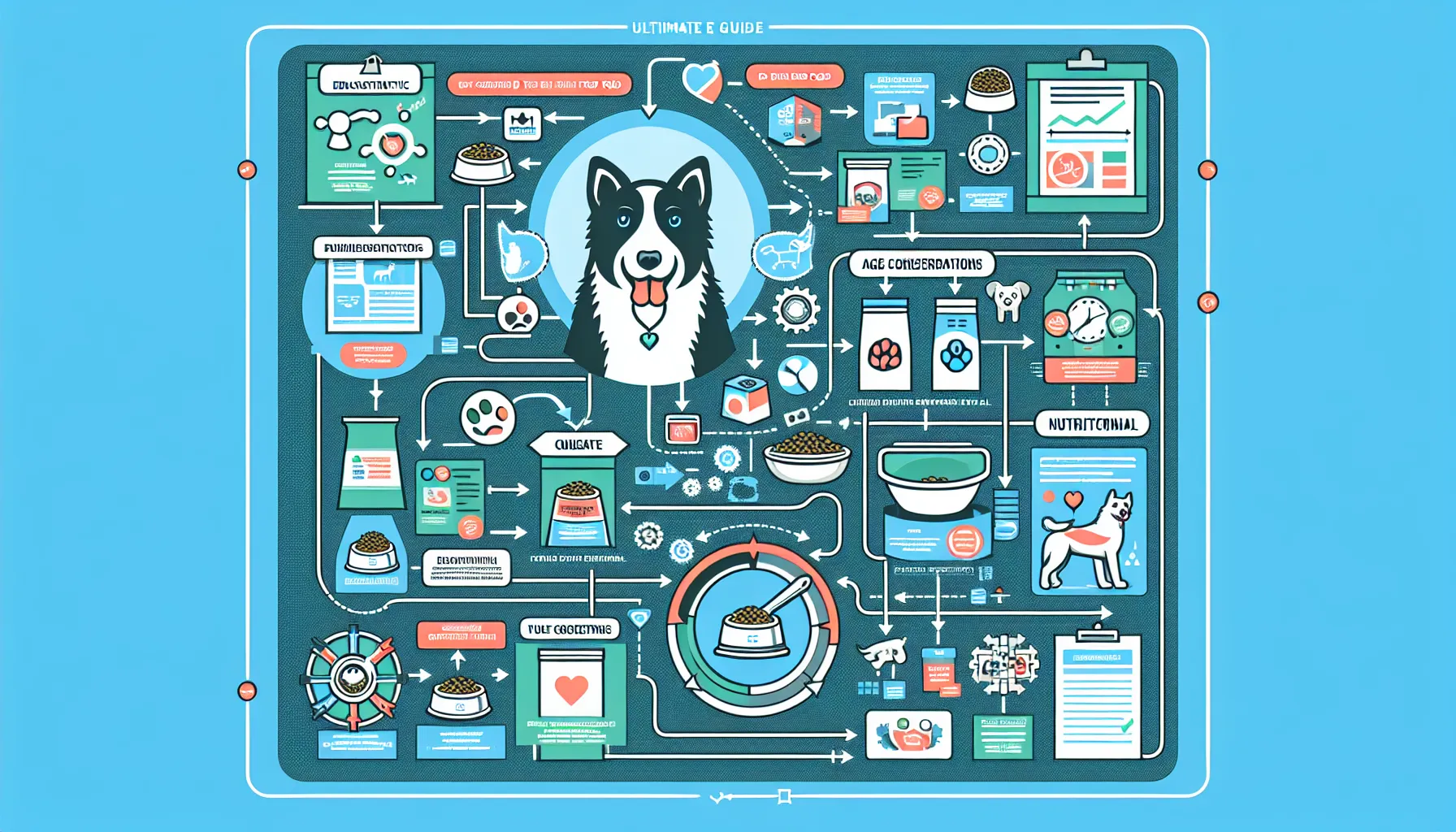
Selecting the right dog food is crucial for ensuring your canine companion receives the nutrition they need to thrive. Various factors, such as age, breed, and specific health issues, influence the type of food that will be most beneficial. This section will provide dog food tips and essential guidance on how to choose dog food tailored to your dog’s unique needs.
Age and Breed Considerations
Dogs have different nutritional needs at various life stages, and understanding these differences is vital for making informed choices about their diet.
Puppies: Growing dogs require a diet high in protein and calories to support their rapid growth and energy levels. The Association of American Feed Control Officials (AAFCO) recommends that puppy food contain at least 22% protein and 8% fat. Brands like Royal Canin and Hill’s Science Diet offer specialized puppy formulas that support healthy development.
Adult Dogs: Once dogs reach adulthood, their nutritional requirements stabilize. An adult dog’s diet should consist of approximately 18% protein and 5% fat. It’s essential to choose a high-quality dog food that meets these standards while also considering factors like activity level, breed size, and weight management. For example, Blue Buffalo Life Protection Formula is popular among pet owners because it provides balanced nutrition tailored for adults.
Senior Dogs: As dogs age, their metabolism slows, and they may require fewer calories. Senior dog food typically contains lower fat levels and added joint supplements like glucosamine. Foods designed for senior dogs, such as Purina Pro Plan Bright Mind, often feature ingredients aimed at supporting cognitive health and mobility.
Notable: Feeding your dog food that matches their life stage can prevent obesity, malnutrition, and other health issues. According to a survey by the Association for Pet Obesity Prevention, around 56% of dogs in the U.S. are classified as overweight or obese, which can lead to serious health complications.
Health Issues and Dietary Needs
Certain health conditions require specialized diets to manage symptoms and improve quality of life. It’s important to consult your veterinarian for tailored dog nutrition advice, especially if your dog has any of the following issues:
Food Allergies or Sensitivities: Dogs can develop allergies to common ingredients like chicken, beef, or grains. If your dog shows signs of allergic reactions such as itching, gastrointestinal upset, or ear infections, a limited-ingredient diet may be beneficial. Brands like Wellness Simple and Natural Balance provide options specifically formulated for dogs with food sensitivities.
Diabetes: Dogs with diabetes need a diet low in simple carbohydrates and high in fiber to help regulate blood sugar levels. Veterinary-recommended foods like Hill’s Prescription Diet w/d or Royal Canin Diabetic are formulated to meet these dietary needs.
Heart Disease: For dogs diagnosed with heart conditions, a diet lower in sodium and enriched with omega-3 fatty acids can be beneficial. Foods such as Blue Buffalo Natural Veterinary Diet or Purina Pro Plan Veterinary Diets are designed to support heart health.
Obesity: Overweight dogs may benefit from a weight management diet that is lower in calories yet high in fiber, helping them feel full without overconsumption. Brands like Nutro Ultra and Hill’s Science Diet offer weight management formulas that can assist in gradual weight loss.
Recent data indicates that the pet food market is increasingly catering to these specialized needs. According to a report by Grand View Research, the global pet food market size was valued at USD 87.08 billion in 2020 and is expected to grow significantly as pet owners become more health-conscious about their pets’ diets.
Conclusion
Choosing the right dog food involves considering your pet’s age, breed, and any health issues they may face. By following this best dog food guide, you can ensure that your dog receives the proper nutrition to lead a healthy and happy life. Always consult your veterinarian for personalized dog food tips and to address any specific dietary concerns. With an informed approach, you can choose the best options for your canine companion and support their health for years to come.
For further reading on pet nutrition, consider visiting The American Kennel Club for more comprehensive dog nutrition advice or review the latest findings on pet diets from Mayo Clinic concerning pet health.
Dog Food Tips for Pet Owners
Choosing the right dog food is crucial for your pet’s health and well-being. This guide aims to provide dog owners with essential tips on transitioning to new food and managing portion control, which are critical aspects of dog nutrition.
Transitioning to New Food
Transitioning your dog to a new food can be a delicate process. A gradual change is key to avoiding digestive issues, such as vomiting or diarrhea. Most veterinarians recommend a transition period of at least 7 to 10 days. Here’s a step-by-step guide to effectively change your dog’s diet:
- Days 1-3: Mix 25% of the new food with 75% of the old food. This allows your dog’s digestive system to adjust to the new ingredients.
- Days 4-6: Increase the ratio to 50% new food and 50% old food. Monitoring your dog’s reaction is important; if any digestive issues arise, slow down the transition.
- Days 7-10: Move to 75% new food and 25% old food.
- After Day 10: If your dog has adjusted well, you can fully switch to the new food.
A study published in the Journal of Veterinary Internal Medicine emphasizes that abrupt changes in diet can lead to gastrointestinal upset in dogs. Gradual transitions minimize this risk and help your pet adapt to the new flavors and textures (ScienceDirect).
Portion Control and Feeding Frequency
Understanding portion sizes is vital for maintaining a healthy weight in dogs. According to the Association for Pet Obesity Prevention, over 50% of dogs in the United States are classified as overweight or obese. To combat this, consider the following tips:
- Read Feeding Guidelines: Most dog food packaging provides guidelines based on your dog’s weight, age, and activity level.
- Use Measuring Cups: Accurate feeding is essential. Using measuring cups helps ensure you are feeding your dog the correct amount. For instance, if the packaging suggests 1.5 cups per day for a 50-pound dog, use a measuring cup to portion out exactly that amount.
- Consider Activity Levels: Active dogs may require more food than sedentary ones. Adjust portions based on your dog’s lifestyle to prevent overfeeding.
Feeding Frequency also plays a crucial role. Puppies typically eat three to four times a day, while adult dogs can be fed once or twice a day. A consistent feeding schedule helps regulate digestion and energy levels.
Here are some key points regarding feeding frequency:
- Puppies (up to 6 months): 3-4 meals a day
- Adult Dogs (6 months and older): 1-2 meals a day
- Senior Dogs (7 years and older): 1-2 meals a day, depending on health
Recent data from the Pet Food Institute suggests that proper portion control and regular feeding schedules can lead to healthier weights and improved health outcomes, including a reduction in diabetes and joint issues (Pet Food Institute).
Conclusion
Transitioning to new dog food and maintaining appropriate portion sizes are key components of responsible dog ownership. By following these dog food tips, you can ensure your furry friend enjoys a balanced diet tailored to their needs. Remember, consult with your veterinarian for personalized dog nutrition advice, especially if you have concerns about your dog’s weight or health.
In summary, here are the main takeaway points:
- Gradual transitions to new food prevent digestive issues.
- Portion control is essential for maintaining a healthy weight.
- Use measuring cups for accurate feeding.
- Follow recommended feeding frequencies based on your dog’s age and activity level.
By implementing these strategies, you can provide your dog with the best possible nutrition, contributing to a longer, healthier life.

Future Projections in Dog Food Development
The landscape of dog food is evolving rapidly, driven by the increasing demand for sustainability and advancements in technology. As pet owners become more conscious of their diets and their pets’ nutrition, there is a significant shift towards more responsible sourcing and innovative nutritional solutions. This section explores two pivotal trends shaping the future of dog food: sustainable sourcing and technological innovations in pet nutrition.
Sustainable Sourcing
Sustainability has become a focal point for many dog food brands, reflecting a broader societal trend towards eco-consciousness. According to recent data from the Pet Food Institute, over 70% of pet owners are willing to pay more for food that is sustainably sourced. This growing consumer preference is prompting manufacturers to evaluate their supply chains and prioritize environmentally friendly practices.
Key aspects of sustainable sourcing include:
Ethical Ingredients: Many brands are now using ingredients sourced from farms that practice regenerative agriculture. This method not only improves soil health but also reduces carbon emissions. Brands like Open Farm and The Honest Kitchen have embraced this philosophy, promoting transparency in their ingredient sourcing.
Alternative Proteins: The use of alternative protein sources, such as insects or lab-grown meat, is gaining traction. For instance, companies like Yappah are producing dog food made from insect protein, which has a significantly lower environmental impact compared to traditional livestock farming. This transition is supported by studies showing that insect farming requires less land and water while producing fewer greenhouse gases.
Packaging Innovations: In addition to ingredient sourcing, companies are focusing on reducing plastic waste. Brands like Vet’s Best are utilizing compostable and recyclable materials in their packaging. Recent studies indicate that nearly 40% of pet owners prefer brands that use sustainable packaging solutions.
Technological Innovations in Pet Nutrition
Advancements in food technology are revolutionizing how dog food is formulated and tailored to individual nutritional needs. The future of dog nutrition may involve:
Personalized Nutrition: Utilizing data and algorithms to create customized diets for dogs based on their breed, age, activity level, and health conditions. Brands like PetPlate are already offering tailored meal plans that cater to specific dietary requirements.
Lab-Grown Pet Food: The emergence of lab-grown meat options is one of the most exciting developments in the pet food industry. Startups like Wild Earth are pioneering biotechnological advancements to produce dog food that mimics traditional meat, offering a cruelty-free and environmentally friendly alternative. According to a study published in Nature, lab-grown meat production can reduce emissions by up to 96% compared to conventional meat.
Smart Feeding Solutions: The integration of technology into feeding practices is also on the rise. Smart feeders that utilize AI to recommend portion sizes and track nutritional intake are becoming more common. For example, Petnet’s smart feeder allows owners to customize their dog’s diet and monitor their feeding habits remotely.
Conclusion
The future of dog food development is poised for significant transformation, with sustainability and technology at the forefront. As pet owners become more educated about dog nutrition, brands will need to adapt by prioritizing ethical sourcing and embracing technological innovations. Notable examples, such as lab-grown pet food and personalized nutrition options, illustrate the potential for a new era in dog food that aligns with both consumer preferences and environmental sustainability.
In summary, as you navigate the best dog food guide for your furry friend, consider these dog food tips that emphasize sustainable practices and advanced nutrition. Understanding how to choose dog food that reflects these emerging trends will ensure you are making informed decisions that benefit both your dog’s health and the planet. For more insights on this evolving landscape, explore Wired’s coverage on pet technology and The Guardian’s articles on sustainability in pet food.
Key Takeaways
Choosing the right dog food is a critical decision that requires careful consideration of various factors, including your dog’s age, breed, health conditions, and lifestyle. Nowadays, pet owners are increasingly aware of the importance of nutrition in their pets’ overall well-being, which has led to a growing demand for high-quality, specialized dog foods. It is vital to stay informed about current trends and advancements in nutritional science to make the best choices for your furry companion.
At present, pet food companies are continually innovating to meet these changing needs. For instance, many brands are now offering grain-free options, limited ingredient diets, and novel protein sources to cater to dogs with specific dietary restrictions or allergies. Moreover, advancements in technology have enabled the formulation of dog foods that are both nutritionally balanced and tailored to individual health requirements.
Looking ahead, it is clear that future developments in dog food will likely focus on sustainability and personalization. According to a recent report by PR Newswire, the pet food market is projected to see a significant shift towards environmentally friendly ingredients and packaging. This trend is driven by the increasing awareness of pet owners regarding the environmental impact of their choices, prompting manufacturers to look for sustainable sourcing and production methods.
Additionally, personalization in dog food is expected to rise, with companies developing products that cater specifically to the unique nutritional needs of individual dogs. This could include custom formulations based on a pet’s health data and lifestyle, ensuring that each dog gets precisely what it needs for optimal health. The advent of technology, including apps and online platforms, will likely facilitate this personalized approach.
As you navigate the myriad of options available for your dog’s diet, remember these actionable takeaways: always consult with a veterinarian when making significant changes to your dog’s diet, read ingredient labels carefully, and consider your dog’s specific needs and preferences. Staying informed about the latest research and trends in canine nutrition will empower you to make the best food choices for your pet.
In conclusion, the journey of selecting the right dog food is ongoing and requires a commitment to understanding both current nutritional science and future trends. For more comprehensive insights into pet nutrition, check out resources like the AKC’s expert advice on dog nutrition and explore the latest findings on Pet Food Industry for updates on emerging trends. Equip yourself with knowledge and be proactive in your approach to your dog’s nutrition; your loyal companion will thank you for it!
Frequently Asked Questions
What should I look for in high-quality dog food?
When selecting high-quality dog food, look for named animal proteins (like chicken or beef) as the first ingredient, which indicates a good protein source. Ensure the food contains a balance of carbohydrates, healthy fats, vitamins, and minerals. Avoid foods with artificial preservatives, colors, or fillers like corn and soy. AAFCO certification on the label also signifies it meets nutritional standards. Lastly, consider your dog’s age, size, and health needs to choose the most suitable formula.
Are grain-free diets better for dogs?
Grain-free diets can be beneficial for some dogs, especially those with grain allergies or sensitivities. However, not all dogs require a grain-free diet, as grains can provide essential nutrients and fiber. Recent studies have linked grain-free diets to certain heart issues in dogs, particularly dilated cardiomyopathy (DCM). It’s essential to consult your veterinarian to determine the best diet for your dog’s specific health requirements and lifestyle before making any changes.
How can I transition my dog to a new food safely?
To safely transition your dog to a new food, start by mixing the new food with the current diet. Begin with a ratio of 75% old food to 25% new food for the first few days. Gradually increase the new food portion over 7-10 days, reducing the old food accordingly. Monitor your dog for any signs of digestive issues, such as diarrhea or vomiting. If any problems arise, slow down the transition and consult your veterinarian for further guidance.
What are the main ingredients to avoid in dog food?
When choosing dog food, avoid ingredients like fillers (corn, soy, and wheat), artificial preservatives (BHA, BHT, and ethoxyquin), and by-products. These ingredients can be less nutritious and may lead to health issues over time. Additionally, steer clear of unnamed meat sources like “meat meal” or “animal fat,” which can be vague and potentially low-quality. Prioritize foods with whole, recognizable ingredients that provide optimal nutrition for your dog’s health.
Should I choose dry food or wet food for my dog?
The choice between dry food and wet food depends on your dog’s preferences, health needs, and lifestyle. Dry food is convenient, helps maintain dental health, and is typically more calorie-dense. Wet food, on the other hand, is often more palatable and can help with hydration. Some dog owners opt for a combination of both to balance the benefits. Always consider your dog’s specific dietary requirements and consult with your veterinarian for personalized recommendations.
How can I determine the right portion size for my dog?
To determine the right portion size for your dog, consult the feeding guidelines on the dog food package, which typically recommend portions based on weight. Additionally, consider your dog’s age, activity level, and overall health. Monitoring your dog’s body condition score can help you adjust portions to maintain a healthy weight. If unsure, consult your veterinarian for tailored feeding advice and to ensure your dog is receiving adequate nutrition.
Can I feed my dog a vegetarian or vegan diet?
Feeding your dog a vegetarian or vegan diet can be done, but it requires careful planning to ensure they receive all essential nutrients. Dogs are omnivores and can thrive on plant-based diets if they include complete proteins, vitamins, and minerals. Always choose high-quality vegetarian or vegan dog foods formulated to meet AAFCO standards. Consult your veterinarian before making this dietary change to ensure it aligns with your dog’s health needs and nutritional requirements.