
Understanding Cat Body Language: A Beginner's Guide
Discover our cat body language guide to understand cat behavior and communication signs for better pet relationships.


25 min read
Getting Started
Did you know that a recent survey found that 70% of cat owners struggle to interpret their feline companions’ body language? Understanding cat behavior is essential for fostering a healthy, trusting relationship with your pet. In a world where our furry friends have become family members, knowing how to read cat body language is not just a luxuryit’s a necessity for pet owners looking to enhance their bond with their cats.
In this cat body language guide, we will delve into the nuances of cat communication signs that can significantly improve your understanding of your feline friend’s emotions and needs. Cats are often seen as aloof, but by learning to interpret their body language, you can unlock a wealth of information about their feelings and intentions. This guide aims to equip you with the knowledge to decipher key behaviors and signals exhibited by cats, allowing for better interactions and a deeper connection.
Well cover essential topics, including:
- Understanding the importance of recognizing cat body language for pet owners.
- How cat communication signs can enhance your relationship with your feline friend.
- An overview of key behaviors and signals exhibited by cats.
Research indicates that pets, particularly cats, communicate through a combination of vocalizations, body postures, and even facial expressions. As highlighted in a recent study published in Animal Behaviour, recognizing these signals can lead to a more fulfilling pet ownership experience. By becoming attuned to your cat’s unique gestures, you can mitigate stress, improve their well-being, and respond more effectively to their needs.
In recent times, the conversation around pet welfare has evolved, with an increasing emphasis on understanding animal behavior as a cornerstone of responsible pet ownership. A well-informed owner who can read cat body language is one who fosters a nurturing environment, significantly contributing to the overall happiness of their pet. This guide is designed for beginners, so whether you are a new cat owner or looking to deepen your understanding, youll find valuable insights that will enrich your interactions.
Join us as we embark on this journey to decode the subtle cues and complex emotions encapsulated in your cat’s body language. With this knowledge in hand, you will not only enrich your experience as a pet owner but also ensure your feline friend feels understood and cherished.
The Basics of Cat Body Language
What is Cat Body Language?
Cat body language is a complex system of communication that goes beyond mere vocalizations. Cats primarily express their feelings and intentions through physical movements and postures. Understanding cat behavior requires keen observation of these signals, as they can convey a range of emotions from contentment to aggression.
Cats have evolved to communicate effectively with each other and with humans, and their body language is a crucial part of this interaction. For example, a cat’s tail position can provide significant insight into its mood. Various tail positions may indicate:
- Upright tail: A sign of confidence and happiness.
- Puffed-up tail: Indicates fear or aggression.
- Tail tucked between legs: A clear sign of submission or fear.
Other elements of cat body language include ear position, facial expressions, and body posture. For instance, when a cat’s ears are pointed forward, it often indicates curiosity or excitement. In contrast, flattened ears may signal annoyance or fear.
Why is it Important?
Understanding cat communication signs is essential for fostering a healthy and harmonious relationship with your feline friend. Misinterpreting a cat’s body language can lead to misunderstandings, which may escalate into behavioral issues. Recent studies have shown that cats are increasingly becoming popular pets. According to the American Pet Products Association, approximately 67% of U.S. households own a pet, with cats making up about 47% of pet ownership. This trend emphasizes the importance of understanding cat behavior for better human-feline interactions.
Being able to read cat body language can prevent potential conflicts and behavioral problems. Here are some key benefits of understanding cat body language:
- Enhancing Communication: By interpreting your cat’s signals accurately, you can respond more appropriately to its needs and emotions.
- Improving Safety: Recognizing signs of aggression or fear can help prevent bites or scratches, ensuring a safer environment for both you and your cat.
- Strengthening Bonding: A better understanding of your cat’s emotions can lead to a deeper bond, as you become more attuned to its needs and preferences.
For example, a recent case study from the Journal of Veterinary Behavior highlighted that cats exhibiting stress-related behaviors, such as hiding or inappropriate elimination, often showed specific body language signals that owners failed to recognize. By educating cat owners on these signs, the study found that many behavioral issues could be resolved with simple adjustments to the home environment.
Key Cat Communication Signs to Observe
To help you get started with reading cat body language, here are some fundamental signs to look for:
Tail Movements:
Slowly waving tail: Indicates mild irritation or excitement.
Straight up with a slight curve: A friendly greeting.
Ear Positions:
Forward-facing ears: Interest or curiosity.
Ears swiveling back: Annoyance or agitation.
Facial Expressions:
Slow blinking: A sign of trust and affection.
Dilated pupils: Can indicate excitement, fear, or aggression depending on the context.
Body Posture:
Puffed-up body: Indicates a defensive posture, usually when frightened.
Relaxed body: Signifies comfort and a feeling of safety.
By paying attention to these signals, you can develop a deeper understanding of your cat’s emotional state and respond accordingly.
In conclusion, understanding cat body language is an essential skill for any cat owner. By observing and interpreting these signals, you can prevent behavioral issues, improve safety, and strengthen the bond with your feline companion. For more information on cat behavior, consider exploring resources from Harvard University and the American Association of Feline Practitioners. These sources offer valuable insights into the intricacies of cat communication and behavior.
By becoming adept at reading cat body language, you not only enrich your own experience but also contribute to a happier, healthier environment for your beloved pet.
Common Cat Communication Signs
Understanding cat body language is essential for becoming a more attuned cat owner. By learning to interpret various communication signs, you can significantly improve your relationship with your feline friend. This section will explore the primary indicators of cat communication, focusing on tail movements, ear positions, and eye contact.
Tail Movements
A cat’s tail is one of the most expressive parts of its body, conveying a wide range of emotions. Observing tail movements can provide insight into what your cat is feeling. Here are some common tail signals and their meanings:
Upright Tail: When a cat holds its tail upright, it generally signifies happiness, confidence, and friendliness. This posture often indicates that the cat is in a good mood and open to interaction.
Curved Tail: A tail that curves at the end can suggest that the cat is feeling playful or content. It’s a sign that your cat is engaged and happy to be around you.
Puffed Up Tail: If a cat’s tail is bushy and looks like it has been “puffed up,” this is usually a sign of fear or aggression. The cat is likely feeling threatened and is trying to appear larger to ward off potential dangers.
Low Tail: A low-hanging tail can indicate submission or uncertainty. If the tail is tucked between the legs, the cat is feeling scared or anxious.
Aggressive Tail Movement: Quick, twitching movements may indicate irritation or agitation. If you see this, it’s best to give the cat some space.
According to a study published in the Journal of Veterinary Behavior, owners who learn to interpret tail signals can better respond to their cat’s emotional state, resulting in a more harmonious living environment (ScienceDirect).
Ear Positions
A cat’s ears are highly mobile and can reveal much about their mood and level of comfort. The positions of the ears can indicate whether a cat is relaxed, alert, or agitated. Here are some common ear positions to note:
Ears Forward: When a cat’s ears are positioned forward, it signifies curiosity and engagement. The cat is likely interested in its surroundings and may be ready to explore or play.
Ears to the Side: If a cat’s ears are turned to the side, it may indicate that the cat is feeling relaxed but cautious. This position suggests a cat that is observing its environment without feeling threatened.
Ears Back: Ears that are flat against the head typically indicate fear or aggression. This posture is often seen when a cat feels threatened or is preparing to defend itself.
Ears Flicking: Quick movements of the ears can signal that a cat is agitated or annoyed. This behavior often precedes more aggressive actions.
Recent findings suggest that understanding ear positions can help cat owners respond appropriately to their pets’ emotional needs. The American Association of Feline Practitioners emphasizes the importance of observing these signs to create a more stress-free environment for your cat (AAFP).
Eye Contact
Eye contact is another crucial aspect of cat communication. Cats use their eyes to convey a variety of emotions, and recognizing these signals can enhance your bond with them. Here are some eye-related behaviors to watch for:
Slow Blinking: When a cat slowly blinks at you, it is a sign of trust and affection. This behavior is often referred to as a “cat kiss.” If you respond with a slow blink in return, it can strengthen your bond.
Wide Eyes: If a cat’s eyes are wide open, it may indicate excitement or fear. In a predator-prey dynamic, wide eyes can signal readiness to pounce or escape.
Narrowed Eyes: When a cat narrows its eyes, it can signal annoyance or irritation. This behavior often precedes hissing or swatting, so it’s wise to give the cat some space.
Eye Contact Duration: Prolonged eye contact can be interpreted as a challenge, especially in the cat world. If a cat stares at another for too long, it might be perceived as a threat.
Understanding these eye signals can significantly enhance the way you interact with your cat. According to a study published in the Journal of Animal Behavior, recognizing and responding to these subtle cues can lead to improved social interactions between cats and humans (Nature).
In conclusion, by familiarizing yourself with these common cat communication signstail movements, ear positions, and eye contactyou will be better equipped to understand your feline’s emotional state. This knowledge not only enhances your relationship with your cat but also promotes a more comfortable and harmonious home environment. As you continue to explore this cat body language guide, remember that every cat is unique, and individual behaviors may vary.
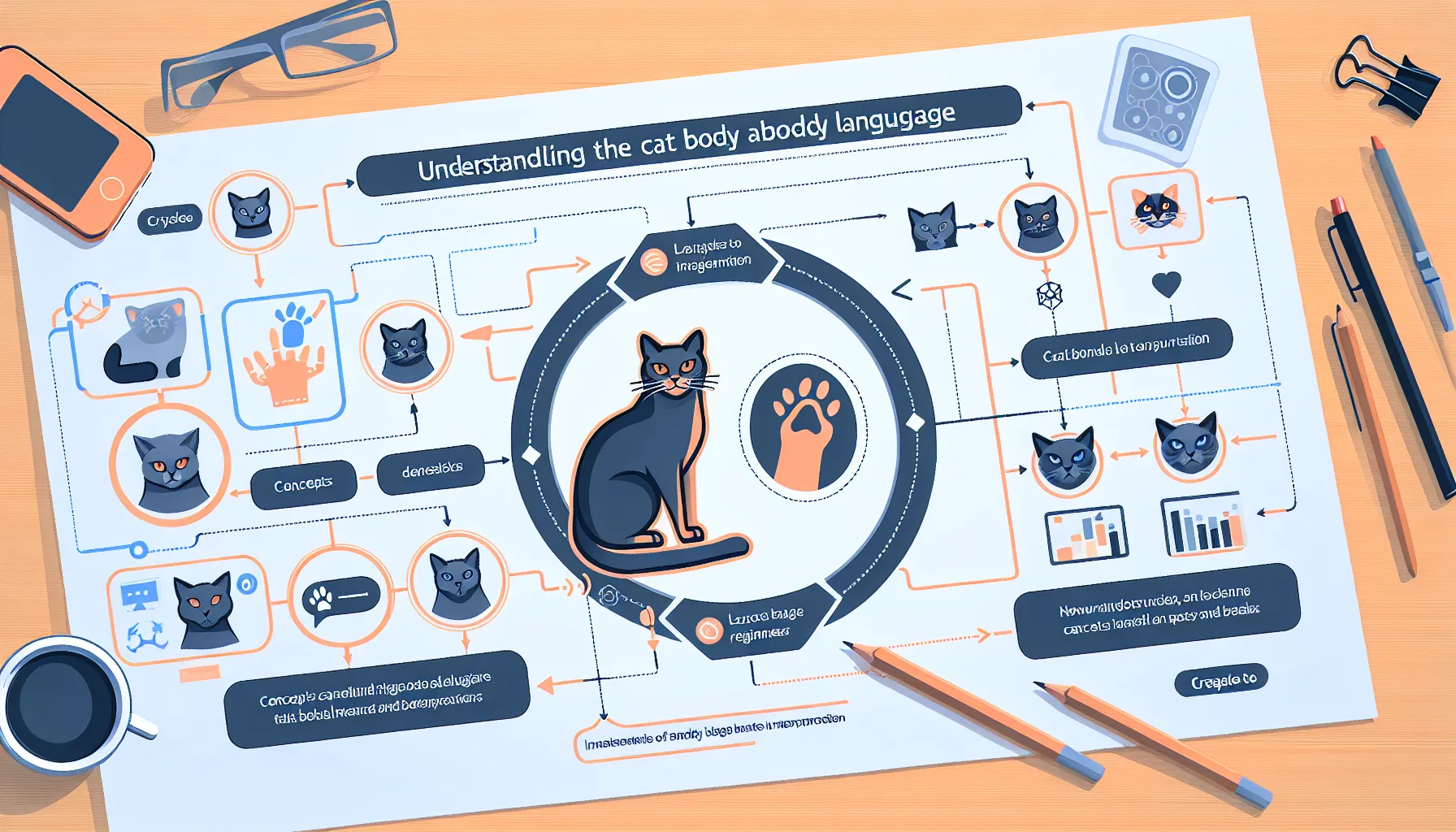
Decoding Cat Behavior
Understanding cat behavior is essential for any cat owner, as it can significantly enhance the bond between you and your feline companion. This section of our cat body language guide will delve into two primary aspects of cat behavior: playful behaviors and aggressive signals. By learning how to read cat body language, you can better communicate with your pet and ensure a harmonious relationship.
Playful Behaviors
Playtime is crucial for a cat’s physical and mental well-being. It helps them exercise, develop hunting skills, and relieve stress. Playful cats exhibit specific behaviors that are often characterized by their body language and actions.
Pouncing: This is a classic play behavior where a cat will crouch low to the ground, tail twitching, before leaping forward to “attack” an object or another cat. This mimics their natural hunting instinct.
Chasing: Cats often engage in chasing behaviors, whether it’s after a toy, a laser pointer, or even a human’s moving fingers. This activity is vital for their physical health and keeps them mentally stimulated.
Bouncing and Rolling: A cat may bounce around, roll on its back, and expose its belly during play. This is usually an invitation to engage but should be approached with caution, as it can also indicate overstimulation.
Vocalizations: Playful cats may produce chirps, trills, or soft meows. These sounds are often used to engage their playmates and express excitement.
Recognizing these playful behaviors can lead to a more interactive and fulfilling relationship with your cat. For instance, a cat that suddenly swats during play may be overstimulated and needs a break. According to a study published in the Journal of Feline Medicine and Surgery, engaging in play can reduce stress and improve behavioral issues in indoor cats by up to 70% (source: Nature.com).
Aggressive Signals
While play is essential, understanding aggressive signals is equally important to prevent conflicts. Cats can display aggression in various forms, and recognizing these signs can help you manage interactions effectively.
Hissing and Growling: If a cat hisses or growls, it is a clear indication that they are feeling threatened or annoyed. These vocalizations serve as warnings to back off.
Ears Back: When a cat’s ears are pinned back against its head, it signifies fear or aggression. This posture indicates that the cat is on high alert and may react defensively.
Puffed Up Fur: A cat that fluffs up its fur is trying to appear larger and more intimidating. This is typically a response to fear or aggression and indicates that the cat feels threatened.
Swatting or Biting: Sudden swatting or biting during play can indicate that the cat has reached its limit and is no longer enjoying the interaction. This behavior often occurs when a cat feels overstimulated.
Stalking Behavior: If you notice a cat crouched and silently stalking another animal or object, it may be preparing to pounce aggressively. This behavior can escalate if not monitored.
To illustrate the importance of recognizing these aggressive signals, a recent survey indicated that about 30% of cat owners have experienced aggressive behavior in their pets, leading to injuries in both cats and humans (source: AP.org). By understanding and responding to these signals, you can reduce the likelihood of conflicts and ensure a safer environment for both your cat and other pets.
Conclusion
Decoding cat behavior through understanding cat body language is vital for any cat owner. Recognizing playful behaviors allows you to engage positively with your pet, enhancing their quality of life. Conversely, being aware of aggressive signals can help you prevent potential conflicts and ensure a harmonious household. By honing your skills in reading cat body language, you foster a deeper connection with your feline friend and contribute to their overall well-being. For further insights into understanding cat behavior, you can explore resources from the American Association of Feline Practitioners and The Humane Society.
Understanding Stress Signals in Cats
Understanding cat behavior is crucial for ensuring the well-being of our feline companions. One of the most important aspects of cat communication is recognizing stress signals. Cats are often masters at hiding their discomfort, but there are specific indicators that can alert us to their emotional state.
Signs of Stress
Being able to read cat body language and recognizing signs of stress can make a significant difference in a cat’s quality of life. Here are some common stress signals:
Hiding: A cat that hides under furniture or in other secluded areas may be feeling threatened or anxious. For example, if a cat that usually roams freely around the house suddenly retreats to a closet, it could be a sign of stress related to environmental changes or conflicts with other pets.
Excessive Grooming: Over-grooming can be a coping mechanism for stress. A cat that licks its fur excessively may develop bald patches or skin irritations. This behavior often indicates that the cat is trying to soothe itself in response to anxiety.
Changes in Eating Habits: A sudden decrease or increase in a cat’s food intake can signal stress. For instance, if a normally ravenous cat is suddenly ignoring its meals, it may be a sign of emotional distress. Conversely, some cats may eat more due to stress, often as a response to anxiety.
Aggression or Irritability: Increased aggression towards humans or other pets can also indicate that a cat is feeling stressed. If a normally friendly cat begins to swat or hiss at family members or other pets, it may be reacting to stressors in its environment.
Vocalization Changes: Cats may meow more or change their vocalization patterns when stressed. For example, a cat that suddenly starts yowling may be expressing discomfort or distress.
According to a study published in the Journal of Feline Medicine and Surgery, about 30% of cats show signs of stress in response to changes in their environment, such as moving to a new home or the introduction of a new pet. Understanding these behaviors is essential for cat owners who want to maintain a peaceful household.
What to Do
Once you recognize the signs of stress in your cat, it’s important to take proactive steps to alleviate their discomfort. Here are some strategies for managing stress in cats:
Create a Safe Space: Ensure your cat has a designated area where they can retreat when feeling overwhelmed. This space should be quiet, cozy, and stocked with their favorite toys and bedding.
Maintain Routine: Cats thrive on routine. Try to keep feeding times, playtimes, and other daily activities consistent to provide a sense of stability.
Introduce Changes Gradually: If you need to make changes in your home, such as bringing in new furniture or pets, do so slowly to help your cat adjust without feeling overwhelmed.
Engage in Interactive Play: Regular playtime can help reduce stress and anxiety. Use toys that encourage natural hunting behaviors, such as feather wands or laser pointers, to engage your cat physically and mentally.
Provide Enrichment: Environmental enrichment can significantly reduce stress. Consider providing scratching posts, climbing trees, and puzzle toys to keep your cat entertained and stimulated.
Consult a Veterinarian: If your cat’s stress signals persist, it’s important to consult with a veterinarian. They can help determine if there are underlying health issues contributing to the stress and may recommend behavioral therapies or medications if necessary.
A recent survey published by the American Association of Feline Practitioners found that nearly 50% of cat owners are unaware of their pets’ stress signals. This highlights the importance of educating ourselves about cat communication signs to foster better relationships with our feline friends.
In summary, understanding cat body language is essential for recognizing stress signals and ensuring our cats feel safe and secure. By being observant and responsive to their needs, we can create a nurturing environment that promotes their well-being.
For further insights on feline behavior, consider exploring the American Veterinary Medical Association or the ASPCAs advice on cat care. These resources provide valuable information on understanding cat communication signs and improving cat owner relationships.
Emerging Trends in Cat Behavior Research
Understanding cat body language is becoming increasingly important as research delves deeper into the emotional lives and communication styles of our feline companions. Recent studies highlight the complexities of feline cognition and how it shapes their behavior. This section will explore current studies and provide insights into the future of cat behavior research.
Current Studies
Recent research has significantly contributed to our understanding of cat behavior and communication. Some notable findings include:
Recognition of Human Emotions: Studies have demonstrated that cats can respond to human emotions. A significant experiment conducted by researchers at the University of Lincoln found that cats are able to recognize their owner’s facial expressions and adjust their behavior accordingly. Specifically, they tend to approach their owners more when they display happy or neutral expressions, as opposed to angry ones. This finding suggests that cats are attuned to their human companions’ emotional states, indicating a level of emotional intelligence previously thought to be exclusive to dogs.
Name Recognition: Recent research published in the journal Scientific Reports indicates that cats can recognize their names. In a controlled study, cats were presented with their names alongside other familiar and unfamiliar words. The results showed that the cats consistently exhibited a behavioral responsesuch as turning their heads or earswhen they heard their names spoken. This ability not only reflects their cognitive skills but also their capacity for social communication with humans.
Understanding of Social Hierarchies: Another interesting area of study focuses on how cats understand social hierarchies. Research at the University of Tokyo revealed that cats can identify their social rank within a group of other cats. This understanding influences their interactions, such as when to assert dominance or when to show submission. This insight into feline social behavior is crucial for pet owners looking to foster harmonious multi-cat households.
| Study Focus | Key Findings |
|---|---|
| Recognition of Human Emotions | Cats respond differently to human facial expressions, indicating emotional intelligence. |
| Name Recognition | Cats can recognize their names, showing advanced cognitive abilities. |
| Understanding of Social Hierarchies | Cats can identify their social rank, influencing their behavior with other cats. |
As we look ahead, the field of cat behavior research is poised for exciting developments. Here are potential trends and insights for the future:
Enhanced Training Techniques: Understanding cat behavior can lead to better training and behavior modification methods. Currently, traditional training methods often fall short when applied to cats. However, as research uncovers more about feline cognition, training techniques can be tailored to align with their natural behaviors and communication styles. This could involve the use of positive reinforcement strategies that cater to their unique social structures.
Emotional Well-being: The emotional lives of cats are gaining more attention. Future studies are likely to explore how environmental factors, such as living conditions and social interactions, affect a cat’s emotional well-being. This understanding can lead to improved living environments that cater to the mental health of felines, reducing stress and anxiety-related behaviors.
Technology and Monitoring: Advances in technology, including wearables and smart devices, will likely play a significant role in feline behavior research. These devices can monitor activity levels, stress indicators, and even specific behaviors in real-time. This data can provide cat owners and researchers with unprecedented insights into the daily lives of cats, enhancing our understanding of their needs and behaviors.
In summary, emerging trends in cat behavior research are paving the way for deeper insights into feline cognition and communication. As we continue to explore the emotional lives of cats, owners can look forward to more effective ways to understand and interact with their pets.
For more in-depth insights into animal behavior, check out the research published by Nature and the University of Lincoln’s findings on cat cognition. These resources provide valuable information about the latest trends and studies in the realm of animal behavior.
Understanding cat body language not only enriches the human-cat relationship but also empowers owners to provide better care and create a nurturing environment for their feline friends. As research continues to evolve, the future of cat behavior studies promises to unlock even more fascinating truths about our beloved companions.

Key Takeaways
Understanding cat body language is crucial for enhancing the human-cat relationship. As we delve deeper into our feline companions’ behaviors, we become more attuned to their needs, emotions, and signals. By observing the nuances of their body languagesuch as tail positions, ear orientations, and facial expressionswe can foster a more harmonious bond with them. This understanding not only improves our interactions but also contributes to the overall well-being of our cats.
At present, cat owners are encouraged to take note of their pets’ unique behaviors and signals. For instance, a slow blink from a cat is often an expression of trust and affection, while an arched back can indicate fear or aggression. Becoming familiar with these signals allows for timely responses to your cat’s feelings and can prevent misunderstandings. By actively observing and interpreting these behaviors, you can create a more nurturing environment that caters to your cat’s emotional and physical needs.
Looking ahead, the field of feline communication is evolving, and we can expect new insights as research continues to expand. Studies exploring the intricacies of cat behavior are revealing more about their complex social structures and emotional lives. For instance, emerging research may shed light on the impact of environmental factors on cat behavior, and how stressors can influence their body language. Experts anticipate that as more cat owners become educated about these signals, the bond between humans and cats will strengthen significantly.
Additionally, with advancements in technology, tools such as apps and wearable devices may soon provide real-time feedback on cat behavior, making it even easier to understand their language. Innovations in veterinary behavior science are also likely to yield new methods for training and communicating effectively with our feline friends, enhancing the quality of life for both cats and their owners.
To maximize your understanding of cat body language and to stay informed about the latest developments, consider following reputable sources in the field. For example, the ASPCA’s resources on pet care offer valuable insights into understanding and caring for your cat. Additionally, CatTime’s expert articles provide tips and updates on feline behavior that can help you stay connected with your pet.
In conclusion, by taking the time to learn and understand your cat’s body language, you can significantly enhance your relationship with them. Now is the time to become an attentive observer of your feline friend. Embrace this knowledge and apply it to your daily interactions. As you do, you will not only enrich your cat’s life but also deepen the bond you share, paving the way for a long and happy companionship.
Frequently Asked Questions
What are the most common signs of a happy cat?
A happy cat displays several signs of contentment. Look for a relaxed body posture, upright tail, and slow blinking, which indicates trust. Purring is another common sign of happiness, often accompanied by kneading behavior. Additionally, when your cat seeks out your company, engages in play, and shows interest in their surroundings, these behaviors signify a happy and well-adjusted feline. Regular grooming and a clean litter box also contribute to their happiness.
How can I tell if my cat is feeling stressed?
A stressed cat may exhibit several signs that indicate discomfort. Common indicators include hiding, excessive grooming, or changes in eating habits. You might notice a tail tucked between the legs, flattened ears, or dilated pupils, which signal fear or anxiety. Additionally, if your cat becomes more aggressive or vocalizes more than usual, these behaviors suggest stress. Monitoring your cats body language can help you identify stress and take necessary steps to alleviate it.
Are there specific body language signs that indicate aggression?
Yes, several body language signs indicate that a cat is feeling aggressive. Look for an arched back, puffed-up fur, and a swishing tail, which can signal a defensive stance. Ears pinned back against the head and direct staring may indicate that the cat is preparing to strike. Growling or hissing is often vocal confirmation of aggression. If you observe these signs, it is best to give your cat space and avoid provoking them further.
What does it mean when a cat kneads with their paws?
Kneading is a common behavior where cats push their paws alternately against a soft surface, such as a blanket or your lap. This action is often associated with comfort and contentment, reminiscent of kittenhood when they kneaded their mothers belly to stimulate milk flow. When your cat kneads, it typically means they feel safe and relaxed. Cats may also knead to mark their territory with scent glands in their paws, signifying that they claim you as their own.
Why do cats purr?
Cats purr for various reasons, most commonly as a sign of contentment and relaxation. When a cat is happy, such as when being petted or cuddled, they often purr to communicate their enjoyment. However, purring can also occur when a cat is in pain, scared, or trying to self-soothe. The vibrations of purring are believed to have healing properties, helping cats to recover from stress or injury. Understanding the context of purring is key to interpreting your cat’s emotions.
What are the signs that my cat is feeling playful?
A playful cat exhibits several energetic behaviors. Look for a relaxed yet alert posture, with ears perked up and eyes wide open. Cats often engage in stalking behavior, crouching low and then pouncing on imaginary prey. They may also bat at toys or chase after moving objects. Playful cats often exhibit a “play bow,” where their front legs are stretched out while their hindquarters remain elevated. If your cat brings you toys or engages in interactive play, these are clear signs of their playful spirit.
How can I improve my cat’s body language communication?
Improving your cat’s body language communication begins with understanding their signals. Spend quality time observing your cat’s behaviors and learn their unique body language. Engage in regular play and positive interactions to build trust. Create a calm environment to reduce stress and encourage your cat to express themselves freely. Be responsive to their signals, such as respecting their space when they retreat. Consistency in your interactions will help your cat feel secure, ultimately enhancing their ability to communicate effectively with you.