
Dog vs Cat: Which Pet is Right for You?
Explore the dog vs cat comparison to find out which pet is the best for you with our comprehensive choosing a pet guide.


25 min read
What You Need to Know
Did you know that according to Pet Food Industry’s recent survey, over 70% of households in many regions now own a pet, with dogs and cats being the most popular choices? As pet ownership trends continue to shift, many prospective pet owners find themselves grappling with the age-old question: “Dog vs cat: which pet is right for you?” This decision goes beyond mere preference; it involves understanding your lifestyle, evaluating your living situation, and assessing your emotional needs.
In this article, we’ll delve into the crucial factors to consider when making your dog vs cat comparison. We will start by understanding the differences between dogs and cats, exploring their unique behavioral traits, care requirements, and the companionship they offer. Dogs are often seen as loyal companions who thrive on social interaction and outdoor activities, while cats are typically more independent, requiring less attention but still providing affectionate companionship.
Next, we will guide you through evaluating your lifestyle and preferences. Are you a busy professional who travels often, or do you have a family that enjoys outdoor adventures? Your daily routine and preferences play a significant role in determining the best pet for you. For instance, if you lead a more active lifestyle, a dog might be the perfect fit, while a cat may suit those who prefer a quieter home environment.
Finally, we’ll explore current trends in pet ownership, highlighting how societal shifts, such as remote work and urban living, are influencing the choice between dogs and cats. Recent studies indicate a growing trend toward adopting pets that match a more laid-back lifestyle, as people seek comfort and companionship in uncertain times. As pet ownership evolves, so too do the expectations of pet owners, leading to a greater appreciation for the unique traits of both species.
By the end of this article, you will have a clearer understanding of the dog or cat decision, empowering you to choose the right companion for your home and lifestyle. Whether you’re leaning toward the playful antics of a dog or the serene presence of a cat, we’ll help you navigate this important decision with confidence. So, let’s dive into the world of pets and discover which furry friend is destined to become a part of your family!
The Lifestyle Factor
When it comes to choosing between dogs and cats, one of the most critical aspects to consider is your lifestyle. The differences in care, attention, and space requirements can greatly influence your decision. In this section, we will delve into how your daily routine and preferences can guide you in making the best pet for you, focusing on two main lifestyle categories: active lifestyles and homebody preferences.
Active Lifestyles
For individuals who lead an active lifestyle, the dog vs cat comparison often favors dogs. Dogs are known for their need for regular exercise and social interaction. They thrive on activities like walks, runs, and playtime, making them ideal companions for those who enjoy being outdoors.
- Exercise Needs: According to the American Kennel Club, most dogs require at least 30 minutes to two hours of exercise each day, depending on the breed. This can include walks, runs, or play sessions at the park.
- Social Interaction: Dogs are pack animals by nature and require social interaction, not only with their human companions but also with other dogs. This can be beneficial for active individuals who enjoy socializing and meeting new people at dog parks or during group walks.
For example, a person who participates in weekend hiking trips may find a dog to be a perfect partner. Breeds such as Labrador Retrievers or Border Collies are well-suited for such activities, as they have high energy levels and enjoy outdoor adventures.
However, it’s essential to consider the commitment required by dogs. If your schedule is packed with work and social obligations, you may find it challenging to meet a dog’s needs adequately. A busy professional might discover that a cat offers a better fit, especially given their more independent nature.
Homebody Preferences
On the other hand, if you consider yourself more of a homebody, a cat might be the perfect choice for you. Cats are generally more independent and require less space and attention than dogs, making them ideal for individuals who prefer a quieter, more relaxed environment.
- Independence: Cats are self-sufficient animals. They don’t require daily walks and can entertain themselves for longer periods. According to a survey by the American Pet Products Association, 67% of U.S. households own a pet, and cats are often chosen by those who appreciate their low-maintenance lifestyle.
- Space Requirements: Cats adapt well to smaller living spaces, such as apartments, where dogs may feel confined. They typically need less room to roam and can thrive in a cozy environment.
For instance, someone living in a busy urban area, such as New York City, may find that a cat is more suitable. Cats can be kept indoors without much fuss, and they often require less daily interaction, allowing their owners to focus on work or personal activities without the constant need to engage in play or exercise.
Summary of Lifestyle Considerations
When making the dog or cat decision, consider the following factors:
| Lifestyle Factor | Dogs | Cats |
|---|---|---|
| Exercise Needs | High (30 min to 2 hours daily) | Low (playtime and indoor activities) |
| Social Interaction | Requires regular interaction | More independent |
| Space Requirements | Needs more space, suitable for homes with yards | Adaptable to small spaces, ideal for apartments |
| Commitment Level | High (daily walks, training) | Moderate (litter box maintenance, feeding) |
If you lead an active lifestyle, a dog may be a great companion for your outdoor adventures. Conversely, if you prefer a more laid-back, independent pet that fits well in a small living area, a cat might be the perfect choice.
Recent studies show that pet ownership is not just about companionship; it can also enhance your mental and physical well-being. According to a report from the Human-Animal Bond Research Institute, pet owners often experience lower stress levels and better overall health. Therefore, making the right decision based on your lifestyle can significantly impact your quality of life.
For more information on the benefits of pet ownership and lifestyle considerations, you can check out the American Pet Products Association and Human-Animal Bond Research Institute.
In our next section, we will explore the financial implications of pet ownership, helping you make a well-rounded decision when considering a dog or a cat.
Cost Considerations
When deciding between a dog or a cat, cost considerations play a significant role in the dog or cat decision. Understanding the financial implications of each pet can help you determine which is the best pet for you. This section will break down the initial costs and ongoing expenses associated with both dogs and cats.
Initial Costs
Both dogs and cats come with their own initial expenses, which can vary significantly based on factors such as breed, age, and health. Here are some of the common initial costs you may encounter:
Adoption Fees:
- Dogs: Adoption fees for dogs can range from $100 to $500, depending on the organization and the dog’s age.
- Cats: Cat adoption fees are generally lower, ranging from $50 to $150.
Vaccinations and Health Checks:
- Dogs: Initial vaccinations and health checks for dogs can cost between $75 and $200.
- Cats: Vaccination costs for cats are typically between $50 and $150.
Microchipping:
- Dogs: Microchipping can add an additional $45 to $75 to your initial costs for dogs.
- Cats: Microchipping for cats is similar, generally costing around $30 to $50.
Supplies and Equipment:
- Dogs: Essential supplies for dogs, such as leashes, collars, bowls, and beds, can total $100 to $300.
- Cats: Initial supplies for cats, including litter boxes, litter, and scratching posts, may cost $50 to $200.
Based on these expenses, the initial costs for bringing home a dog can range from approximately $325 to $1,525, while for cats, the range is about $180 to $600.
Ongoing Expenses
Once you’ve welcomed your new pet into your home, ongoing expenses will become a regular part of your budget. The dog vs cat comparison here highlights the differences in routine costs:
Food:
- Dogs: The average cost of dog food can range from $20 to $60 per month, depending on the size and dietary needs.
- Cats: Cat food generally costs between $15 to $45 per month.
Grooming:
- Dogs: Depending on the breed, grooming can be a significant expense for dogs, ranging from $30 to $90 per session. Some breeds may require grooming every 4 to 6 weeks.
- Cats: Cats typically require less grooming, especially short-haired varieties. Grooming costs may only be necessary for long-haired cats, averaging $30 to $50 every few months.
Training:
- Dogs: Professional training classes can range from $100 to $300 for a series of sessions, depending on the trainer and location.
- Cats: Cats usually do not require formal training, which can lead to lower ongoing costs.
- Dogs: Pet insurance for dogs can range from $30 to $70 per month, depending on the coverage level.
- Cats: Pet insurance for cats is generally more affordable, ranging from $15 to $40 per month.
Here’s a summary of ongoing monthly expenses for both pets:
| Expense Type | Dogs | Cats |
|---|---|---|
| Food | $20 - $60 | $15 - $45 |
| Grooming | $30 - $90 | $0 - $50 |
| Training | $0 - $25 | $0 |
| Pet Insurance | $30 - $70 | $15 - $40 |
Expert Insights and Trends
According to recent data from the American Pet Products Association, pet ownership is at an all-time high, with 70% of U.S. households owning a pet. The financial commitment associated with pet ownership is a crucial factor that potential pet owners must consider. In particular, the costs associated with dogs can be substantially higher than those for cats, especially when factoring in grooming, training, and larger food requirements.
The American Kennel Club emphasizes the importance of budgeting for both initial and ongoing costs when choosing a pet. They recommend potential dog owners research their desired breed to understand specific needs and potential expenses.
Additionally, a survey by Petfinder revealed that 65% of pet owners consider financial factors when deciding on a pet type. This reinforces the idea that understanding cost implications plays a vital role in the dog or cat decision.
Conclusion
In summary, understanding the cost considerations associated with dogs and cats is vital in making an informed choice about which pet is right for you. Dogs generally have higher initial and ongoing costs primarily due to grooming and training needs. In contrast, cats typically incur lower expenses for food and supplies. By evaluating these financial aspects alongside your lifestyle and preferences, you can make a more informed choice in this dog vs cat comparison.
Health and Longevity
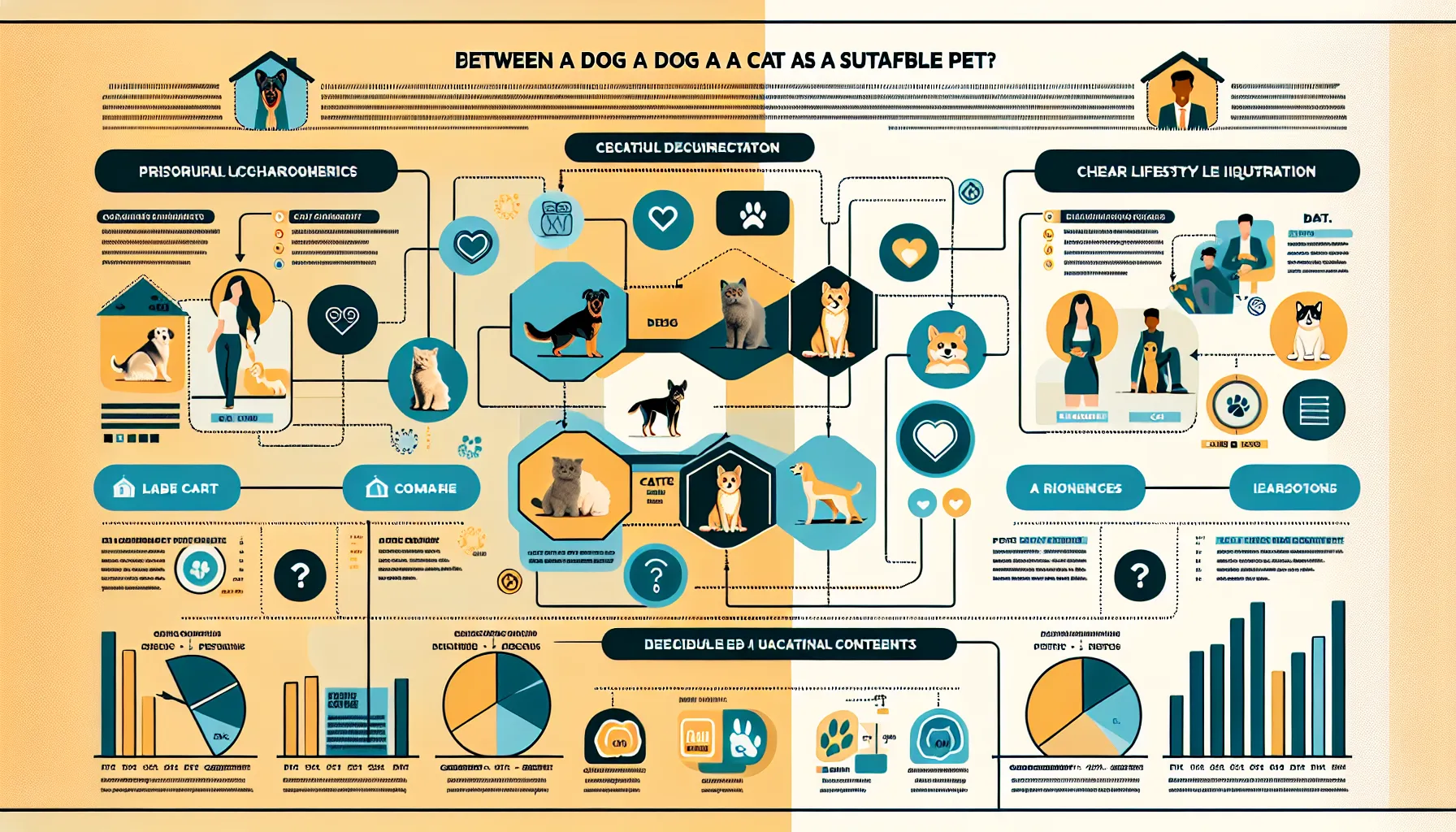
When considering the dog or cat decision, health and longevity are crucial factors that can significantly impact your choice of a pet. Understanding common health issues and insights into lifespan can help you make an informed decision.
Common Health Issues
Both dogs and cats are prone to various health problems, though the specific issues can vary significantly between species and even among breeds. Here are some notable health concerns for each:
Dogs:
- Hip Dysplasia: Common in larger breeds like German Shepherds and Golden Retrievers, this genetic condition can lead to arthritis and mobility issues.
- Bloat: A serious condition often seen in deep-chested breeds such as Great Danes, bloat occurs when the stomach fills with gas, leading to a life-threatening situation.
- Heart Disease: Certain breeds, including Cavalier King Charles Spaniels, are more susceptible to congenital heart conditions.
Cats:
- Chronic Kidney Disease (CKD): Particularly common in older cats, CKD can lead to severe health complications if not managed properly.
- Hyperthyroidism: This hormonal disorder is prevalent in older cats and can lead to weight loss, increased appetite, and other serious health issues.
- Dental Disease: Cats often suffer from periodontal disease, which can cause pain and lead to other systemic health problems.
Preventative healthcare can vary widely in cost depending on whether you choose a dog or a cat. Routine vet visits, vaccinations, and potential emergency care should be included in your budget considerations. For example, according to the American Pet Products Association, annual veterinary visits for dogs can range from $200 to $500, while for cats, the costs may be slightly lower, averaging around $150 to $300.
Lifespan Insights
One of the most significant differences in the dog vs cat comparison is lifespan. Research indicates that, on average, cats tend to live longer than dogs. The average lifespan of an indoor cat is about 15 years, with many living into their 20s. In contrast, the lifespan of dogs can vary dramatically based on breed:
- Small Breeds (e.g., Chihuahuas, Dachshunds): 12 to 20 years
- Medium Breeds (e.g., Beagles, Bulldogs): 10 to 15 years
- Large Breeds (e.g., Labrador Retrievers, Boxers): 8 to 12 years
- Giant Breeds (e.g., Great Danes, Mastiffs): 6 to 10 years
This data suggests that certain breeds of dogs may have shorter lifespans than cats, which could factor into your decision-making process. If longevity is a priority, an indoor cat might be the best pet for you.
Summary Table
To further illustrate the differences in health and longevity between dogs and cats, consider the following table:
| Pet Type | Common Health Issues | Average Lifespan |
|---|---|---|
| Dog | Hip Dysplasia, Bloat, Heart Disease | 6 to 20 years (varies by breed) |
| Cat | Chronic Kidney Disease, Hyperthyroidism, Dental Disease | 12 to 20 years (average 15 years) |
Expert Insights
Veterinary experts emphasize the importance of regular check-ups and preventative care for both dogs and cats. Dr. Julie Buzby, a veterinarian and owner of ToeGrips, emphasizes the significance of routine dental cleanings and regular health screenings. “The earlier you can identify health issues, the better the outcome for your pet,” she states.
Additionally, a study published in the Journal of Feline Medicine and Surgery highlights that indoor cats have a significantly lower risk of accidents and diseases compared to outdoor cats, which contributes to their longer lifespans.
For those considering the dog or cat decision, it’s important to reflect on personal lifestyle factors, potential health issues, and the longevity of the animal. Both pets provide unique companionship and joy, but understanding their health and lifespan can lead to a more informed choice.
For additional insights on pet health and longevity, check out the American Veterinary Medical Association and the ASPCA for valuable resources and information.
Social and Emotional Benefits
When deciding between a dog or cat, it’s essential to consider the social and emotional benefits each pet can offer. Both animals provide companionship and emotional support, but they do so in different ways. Understanding these differences can help you make a more informed decision in your pet ownership journey.
Companionship Levels
The companionship level of a pet can significantly influence the quality of life for their owner.
Dogs: Often regarded as loyal companions, dogs tend to form deep emotional connections with their owners. According to a survey conducted by the American Pet Products Association, about 63% of dog owners report that their pets provide them with a sense of purpose and companionship. Dogs usually require more interaction and engagement, which can create a stronger bond.
Cats: While cats are often perceived as more independent, they also provide significant comfort and companionship. A study published in the Journal of Veterinary Behavior found that 70% of cat owners felt that their pets were a source of emotional support. Cats may not demand as much attention as dogs, making them an ideal choice for individuals who desire companionship with less maintenance.
Considering the companionship levels can shift the dog or cat decision based on your lifestyle and emotional needs.
Impact on Mental Health
The impact of pet ownership on mental health is well-documented. Multiple studies have shown that having a pet can lead to reduced anxiety and improved mood.
Dogs and Mental Health: A study from the Human-Animal Bond Research Institute revealed that 74% of pet owners reported improved mental health due to their pets. Dogs, in particular, encourage an active lifestyle through daily walks and play, which can enhance overall well-being. Additionally, therapy dogs have been shown to aid in the treatment of depression and anxiety disorders.
Cats and Mental Wellness: Cats also contribute positively to mental health, albeit in different ways. Research from the National Institutes of Health indicates that the act of petting a cat can release oxytocin, a hormone associated with bonding and stress relief. This can lead to lower stress levels and a more relaxed state of mind. Furthermore, the presence of a cat has been linked to improved mood among individuals suffering from conditions such as PTSD.
Key Statistics and Findings
Here are some compelling statistics that highlight the social and emotional benefits of pet ownership:
| Type of Pet | Percentage of Owners Reporting Emotional Support | Impact on Mental Health |
|---|---|---|
| Dogs | 74% | Improved mood and reduced anxiety |
| Cats | 70% | Enhanced relaxation and stress relief |
Conclusion: Choosing the Best Pet for You
Ultimately, the decision of whether a dog or cat is the best pet for you should consider your lifestyle, emotional needs, and the companionship level you seek. A dog may be the ideal choice if you’re looking for an active, loyal companion who can enhance your social interactions. Conversely, a cat could be the right fit if you prefer a more independent pet that offers comfort with less maintenance.
As you weigh the dog versus cat comparison, remember that both pets can significantly enrich your life. The key is to evaluate your preferences and needs carefully. For more insights on selecting the right pet, consider referring to this comprehensive choosing a pet guide.
In summary, whether you choose a dog or a cat, you can expect a rewarding relationship that contributes positively to your emotional well-being. The best pet for you is one that aligns with your lifestyle and personal preferences, ensuring that both you and your future furry friend thrive together.
Current Trends in Pet Ownership
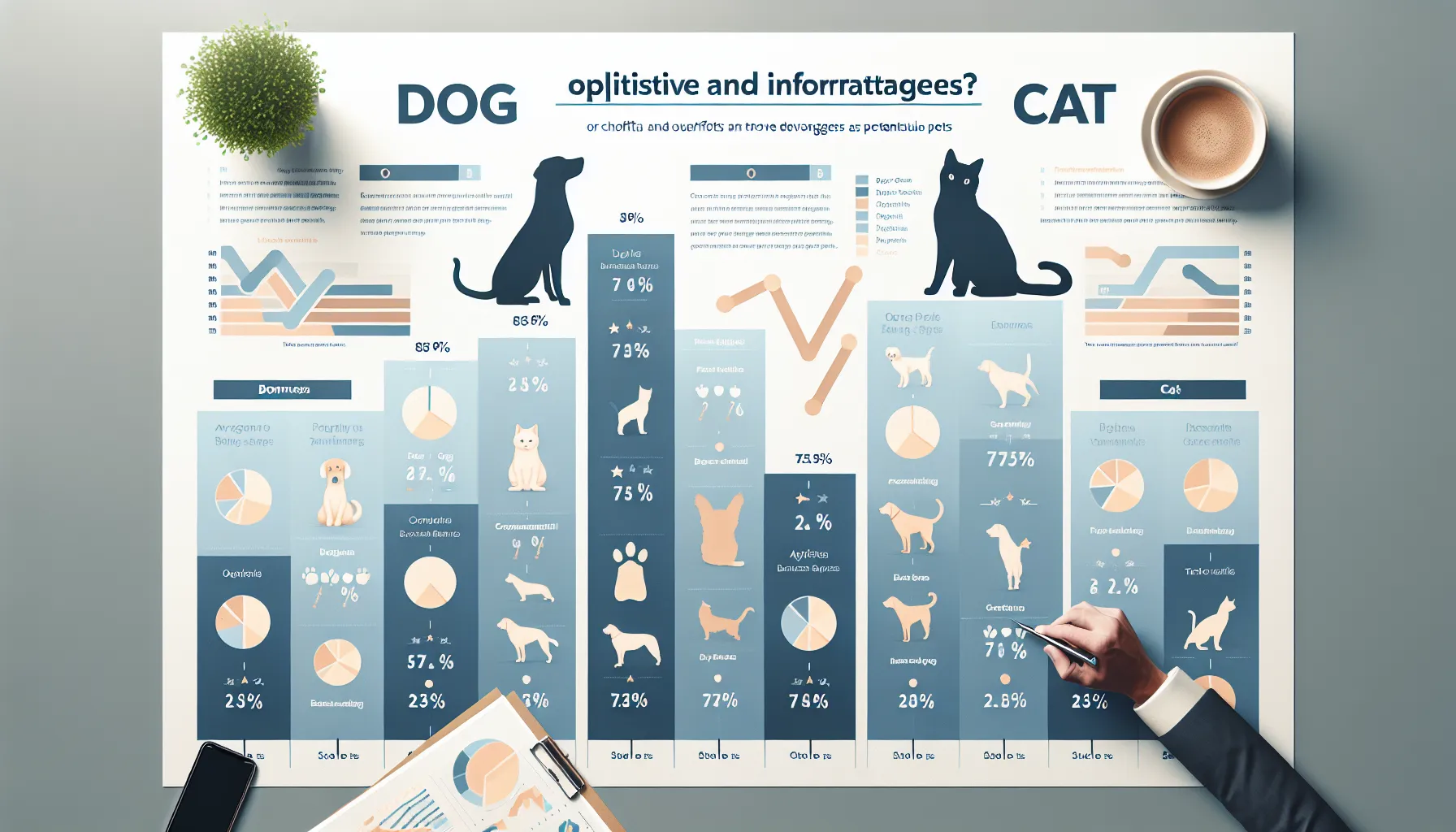
As we delve into the dog vs cat comparison, it’s essential to understand the current trends in pet ownership. These trends are shaping how potential pet owners view their options and make informed decisions. From shifts in popularity to adoption rates, the landscape of pet ownership is evolving, influenced by various societal factors.
Popularity Shifts
Recent surveys indicate a noticeable shift in pet ownership preferences, with more households leaning towards adopting dogs. According to the American Pet Products Association (APPA), approximately 67% of U.S. households, or about 85 million families, own a pet, with dogs being the most popular choice.
- Statistical Insights:
- In 2019, 63 million households owned at least one dog, compared to 42 million with cats, a growing trend favoring canines.
- Data from the 2021-2022 National Pet Owners Survey shows that dog ownership has increased by over 5% since the previous survey.
The growing preference for dogs can be attributed to their reputation as loyal companions, excellent for active lifestyles, and their ability to provide emotional support. In contrast, cats are often viewed as more independent, which may appeal to those with busy lives but could also limit their popularity in a society increasingly focused on companionship.
Adoption Rates
The pandemic significantly impacted pet adoption rates. Many individuals and families sought the comfort of a pet during times of uncertainty, leading to a surge in both dog and cat adoptions. The ASPCA reported that in 2020, animal shelters saw a 20% increase in pet adoptions compared to 2019, with dogs leading the charge.
- Key Adoption Trends:
- The rise in multi-pet households is a notable trend, with many new pet owners opting for both dogs and cats, creating a more diverse pet environment.
- A survey conducted by the American Society for the Prevention of Cruelty to Animals (ASPCA) revealed that 23% of pet adopters during the pandemic chose to adopt more than one pet.
This trend reflects a shift in how people view their pets — not just as companions but as part of a family dynamic. Furthermore, the inclination towards multi-pet households can enhance the socialization of animals, leading to better-adjusted pets overall.
Influence of Pet-Friendly Living Spaces
The rise in pet-friendly living spaces is another factor influencing pet choices. As urban areas evolve, many landlords and developers are recognizing the value of pet-friendly policies. This shift is opening doors for both dogs and cats, making it easier for potential pet owners to choose a furry companion.
- Notable Developments:
- A report from the National Multifamily Housing Council indicates that nearly 75% of apartment owners now allow pets in their properties, a significant increase from previous years.
- Many new rental developments are designed with amenities such as dog parks, pet washing stations, and areas designated for pet activities.
These trends are reshaping the landscape of pet ownership, making it more accessible for individuals and families to choose their ideal pet based on lifestyle. The decision-making process surrounding whether to adopt a dog or cat is increasingly influenced by the ability to accommodate these pets comfortably in living spaces.
Conclusion
When considering the dog or cat decision, it’s crucial to factor in these current trends in pet ownership. Understanding the popularity shifts, adoption rates, and the influence of pet-friendly living can provide valuable insights for potential pet owners. The best pet for you ultimately depends on your lifestyle, living situation, and personal preferences, and being informed about these trends can significantly aid in making the right choice.
As you navigate your choosing a pet guide, consider how these trends may align with your own circumstances. With the evolving landscape of pet ownership, there has never been a better time to explore the joys of welcoming a pet into your life. For more information on pet ownership trends, check out the American Pet Products Association and the ASPCA.

Key Takeaways
As you contemplate whether a dog or a cat is the right pet for you, it is crucial to assess your lifestyle. Dogs often require more time and attention, including daily walks, playtime, and training, making them more suitable for active individuals or families. In contrast, cats typically offer more independence and require less hands-on care, appealing to those with busier lifestyles or limited space.
Financial considerations also play a significant role in pet ownership. Currently, the costs associated with owning a dog can be substantially higher than those for a cat. Expenses such as food, grooming, veterinary care, and training can add up quickly for dogs. In contrast, while cats also require care and attention, their overall cost of ownership tends to be lower. It’s essential to budget accordingly and consider your financial capacity before making a decision on which pet to adopt.
At present, staying informed about emerging trends in pet ownership is vital for making an educated choice. The rise of pet tech and services, such as pet cameras, automatic feeders, and online pet care platforms, reflects a growing focus on convenience and the well-being of pets. Additionally, the trend of adopting pets from shelters rather than purchasing them is gaining momentum, aligning with the increased awareness of animal welfare. As pet ownership evolves, it is important to keep an eye on these trends to ensure you choose a pet that fits seamlessly into your life.
Looking ahead, the landscape of pet ownership is likely to continue evolving. With a growing number of people recognizing the mental and physical health benefits of companionship, the demand for both dogs and cats is expected to remain strong. This could lead to innovative services and products designed to enhance the pet ownership experience. Furthermore, the increasing integration of technology into pet care, such as telemedicine for pets, could redefine how we approach pet health and wellness.
As you make your decision, consider these actionable takeaways: evaluate your lifestyle and budget, keep up with pet ownership trends, and explore the rich resources available to guide your choice. For further insights, check out the American Humane Association for valuable information on responsible pet adoption and care, and visit PetMD for expert advice on pet health and wellness.
Ultimately, whether you choose a dog or a cat, the right pet can enrich your life profoundly. Take the time to make a thoughtful decision, and you will find a loyal companion that aligns with your lifestyle and values.
Frequently Asked Questions
What are the main differences between dogs and cats?
Dogs are typically more social and require regular exercise, while cats are more independent and often need less attention. Dogs are usually trainable and enjoy companionship, whereas cats may prefer solitude and can be litter-trained. Additionally, dogs often need more space and a structured routine, while cats adapt better to smaller living environments. Understanding these differences is crucial when deciding whether to adopt a dog or a cat as your pet.
How do I determine if a dog or cat is better for my lifestyle?
To determine whether a dog or cat suits your lifestyle, consider your daily routine, living space, and activity level. If you have a busy schedule or live in a small apartment, a cat may be more suitable due to their independence. Conversely, if you enjoy outdoor activities and have the time to dedicate to training and exercising a pet, a dog could be a perfect fit. Assessing your time commitment and living situation will help guide your decision.
What are the current trends in pet ownership?
Recent trends in pet ownership indicate a rise in pet adoptions, particularly during and after the pandemic, as people sought companionship. Additionally, there is a growing preference for adopting mixed-breed dogs and cats from shelters rather than purchasing from breeders. Pet owners are also increasingly focused on pet health and wellness, leading to a surge in demand for organic pet foods and pet wellness products. Understanding these trends can help you make an informed choice about pet ownership.
What are the costs associated with owning a dog versus a cat?
The costs of dog ownership generally exceed those of cat ownership. Dogs require regular grooming, training classes, and often more food than cats. Veterinary expenses such as vaccinations, preventive care, and potential surgery can also be higher for dogs, especially larger breeds. Cats, while needing similar vet care, tend to have lower food costs and no grooming expenses, making them a more budget-friendly option for many pet owners.
How much time do dogs and cats require for companionship?
Dogs generally require more time for companionship than cats. Most dogs thrive on social interaction and need daily walks, playtime, and training sessions, which can amount to several hours each day. In contrast, cats are more independent and can entertain themselves for longer periods. While they enjoy companionship, they often require less attention, making them suitable for those with busier lifestyles or limited time for pet care.
What are typical behavioral traits of dogs and cats?
Dogs are generally loyal, social, and eager to please, displaying strong pack behavior. They often exhibit a range of emotions and require structure and leadership. Cats, on the other hand, are more aloof but can be affectionate on their own terms. They tend to be more territorial and independent, often engaging in solitary play. Understanding these behavioral traits is essential in determining which pet aligns better with your personality and lifestyle.
What are the best breeds for families with children?
For families with children, dog breeds such as Golden Retrievers, Labradors, and Beagles are known for their friendly and gentle nature. These breeds typically enjoy interacting with kids and have patience. For cats, breeds like Ragdolls and Maine Coons are often recommended as they are sociable and tolerant. It’s essential to consider each individual animal’s personality, regardless of breed, to ensure a good fit for family dynamics.