
Top 7 Nutritional Supplements for Dogs: Best Dog Nutritional Supplements for Optimal Health
Discover the best dog nutritional supplements to enhance your canine

26 min read
Getting Started with Dog Nutritional Supplements
Did you know that nearly 70% of dog owners are now incorporating nutritional supplements into their pets’ diets? This significant trend reflects a growing awareness of the role that best dog nutritional supplements can play in enhancing canine health and longevity. In recent times, as our understanding of animal nutrition has evolved, so too has the market for dog health additives, leading to a plethora of options tailored to meet the diverse needs of our furry companions.
As dog owners, its essential to recognize the importance of canine dietary supplements. While a balanced diet is fundamental, many factorssuch as age, breed, and health conditionscan create gaps in nutritional needs for dogs. Supplements can effectively bridge these gaps, ensuring that our pets receive the vital nutrients they may lack from standard dog food. For instance, older dogs often require additional joint support, while active breeds may benefit from enhanced energy and recovery supplements.
This article will explore the top seven nutritional supplements for dogs, delving into their specific benefits and how they can support overall health. We’ll cover popular types of supplements, from probiotics to omega fatty acids, and discuss the current trends in the pet supplement industry. According to PetMD’s comprehensive analysis, the demand for high-quality supplements is on the rise, with pet owners increasingly seeking natural and holistic options.
Moreover, we will highlight the nutritional needs for dogs based on their life stages and individual health requirements. Understanding these needs is crucial when choosing the right supplements, as not every product is suitable for every dog. With a myriad of options available, it can be overwhelming to determine which products are truly beneficial. This guide aims to simplify that process, empowering you to make informed decisions for your dogs health.
As we navigate through the world of dog nutritional supplements, remember that consultation with a veterinarian is always recommended before introducing any new health additives to your dog’s diet. By staying informed and proactive, you can ensure that your canine companion thrives both today and in the years to come.
Stay tuned as we reveal the top seven nutritional supplements that could make a significant difference in your dog’s health and well-being.
1. Omega-3 Fatty Acids
Omega-3 fatty acids are essential fats that play a critical role in maintaining optimal dog health. These beneficial compounds are known for their anti-inflammatory properties and their ability to support various bodily functions. As pet owners become more aware of their canine companions’ nutritional needs, the demand for the best dog nutritional supplements, including omega-3s, has surged.
Benefits of Omega-3
- Supports Heart Health
- Omega-3 fatty acids are known to promote cardiovascular health in dogs. According to a study published in the Journal of Animal Physiology and Animal Nutrition, these fatty acids can help reduce the risk of heart disease by lowering triglyceride levels and decreasing blood pressure.
- Reduces Inflammation
- Chronic inflammation can lead to numerous health issues in dogs, including arthritis and allergies. Omega-3 fatty acids have been shown to have anti-inflammatory effects, which can help alleviate symptoms associated with these conditions. A study from the American Journal of Veterinary Research found that dogs with osteoarthritis showed significant improvement in joint pain and mobility when supplemented with omega-3s.
- Promotes a Healthy Coat and Skin
- Omega-3 fatty acids are vital for maintaining healthy skin and a shiny coat. They help in reducing dryness and flakiness, leading to an overall improvement in skin condition. A recent survey from the Pet Food Industry indicated that over 70% of pet owners noticed improvements in coat quality after introducing omega-3 supplements.
- Enhances Cognitive Function
- Omega-3 fatty acids, particularly DHA (docosahexaenoic acid), are critical for brain health. Research from the University of California, Davis, suggests that DHA can support cognitive function in aging dogs, potentially delaying the onset of cognitive decline.
Sources of Omega-3 for Dogs
When it comes to providing omega-3 fatty acids to dogs, there are several sources available:
Fish Oil
Fish oil is one of the richest sources of omega-3 fatty acids, particularly EPA (eicosapentaenoic acid) and DHA. Products like Nordic Naturals Omega-3 Pet offer concentrated fish oil specifically formulated for dogs. According to a study published in the journal Nutrients, regular supplementation with fish oil can lead to significant improvements in skin and coat health.
Flaxseed Oil
Flaxseed oil is another excellent source of omega-3 fatty acids, particularly ALA (alpha-linolenic acid). While dogs can convert ALA to EPA and DHA, the conversion rate is relatively low. Flaxseed oil can be found in products like Grizzly Salmon Oil, which offers a blend of fish and flaxseed oils to maximize omega-3 benefits.
Chia Seeds
Chia seeds are a plant-based source of omega-3 fatty acids and can be added to homemade dog food or given as a treat. They are rich in fiber and antioxidants, contributing to overall health. According to the Animal Feed Science and Technology journal, chia seeds may provide a sustainable option for omega-3 supplementation.
Hemp Oil
Hemp oil contains a balanced ratio of omega-3 to omega-6 fatty acids, making it an excellent addition to your dog’s diet. It can help improve skin health and reduce inflammation. The Journal of Nutritional Science published a study highlighting the benefits of hemp oil in reducing skin irritations in dogs.
Conclusion
Incorporating omega-3 fatty acids into your dog’s diet through high-quality dog health additives can significantly enhance their overall well-being. Whether sourced from fish oil, flaxseed oil, chia seeds, or hemp oil, omega-3s offer numerous benefits that support heart health, reduce inflammation, promote a healthy coat, and enhance cognitive function. As pet owners continue to prioritize their canine companions’ nutritional needs, omega-3 fatty acids remain a top choice among canine dietary supplements.
For more information on omega-3 fatty acids and dog nutrition, consider checking out resources from the American Kennel Club and the National Research Council for comprehensive insights into canine dietary requirements.
2. Probiotics
Probiotics are live microorganisms that provide health benefits when consumed in adequate amounts. They play a crucial role in maintaining gut health, which is essential for overall dog health. As pet owners increasingly look for the best dog nutritional supplements, probiotics have emerged as a vital component in canine dietary supplements. They not only aid digestion but also help manage various health issues, including allergies and skin conditions.
Role of Probiotics in Digestion
The digestive health of dogs is heavily influenced by the balance of bacteria in their gut. A diverse and healthy microbiome supports optimal digestion and nutrient absorption. Probiotics contribute to this balance by:
Enhancing Gut Flora: Probiotics introduce beneficial bacteria into the gut, which can outcompete harmful bacteria. This balance helps prevent gastrointestinal issues such as diarrhea and constipation.
Boosting Nutrient Absorption: By improving the efficiency of digestion, probiotics can enhance the absorption of essential nutrients, thus meeting the nutritional needs for dogs.
Managing Allergies: Recent studies suggest that certain probiotics may help alleviate food allergies and skin conditions in dogs, possibly by modulating the immune response. For instance, Lactobacillus acidophilus has been shown to reduce allergic reactions in some cases.
Reducing Stress and Anxiety: Stress can negatively impact digestion. Probiotics may help mitigate these effects by promoting a healthier gut, which in turn can lead to improved mental well-being.
According to a study published in the journal Veterinary Record, dogs supplemented with probiotics showed a significant reduction in gastrointestinal disorders compared to those that did not receive probiotics (source: Nature.com).
Choosing the Right Probiotic
With numerous canine dietary supplements available on the market, selecting the right probiotic can be overwhelming. Here are some tips to help you make an informed choice:
- Look for Specific Strains: Different strains offer different benefits. For example:
- Bacillus coagulans: Known for its ability to withstand heat and stomach acid, making it effective in promoting gut health.
- Lactobacillus acidophilus: Commonly used for its benefits in managing digestive health and skin conditions.
Check CFU Counts: CFU stands for Colony Forming Units, which indicates the number of live microorganisms in a probiotic. A higher CFU count generally means a more potent probiotic. Aim for products with at least 1 billion CFUs per dose for effective results.
Consider the Form: Probiotics come in various forms, including powders, chews, and capsules. Choose a format that is easy for your dog to consume.
Evaluate Additional Ingredients: Some probiotics are combined with prebiotics, which serve as food for beneficial bacteria. Products containing both can offer enhanced digestive support.
Seek Professional Advice: Consulting your veterinarian can provide insights tailored to your dog’s specific health needs. They can recommend suitable products based on your dog’s health status and dietary requirements.
Summary of Probiotic Benefits
| Probiotic Strain | Key Benefits |
|---|---|
| Bacillus coagulans | Enhances gut health, withstands heat |
| Lactobacillus acidophilus | Supports digestion, manages allergies |
In conclusion, probiotics are a valuable addition to the best dog nutritional supplements available today. They not only contribute to better digestion but also help in managing allergies and skin conditions, ensuring your canine companion remains healthy and happy. As always, consult with a veterinarian to determine the best approach for your dog’s unique health needs.

3. Glucosamine and Chondroitin
Glucosamine and chondroitin are two of the most popular dog health additives, particularly for supporting joint health and mobility in dogs. These canine dietary supplements have gained attention over the years for their role in reducing symptoms of arthritis and other joint-related issues, especially in aging dogs. In this section, we will explore the benefits of glucosamine and chondroitin, their usage in older dogs, and some popular products available in the market.
Joint Health Benefits
As dogs age, they often experience a decline in joint health, leading to discomfort and reduced mobility. Glucosamine and chondroitin are natural compounds that help maintain healthy cartilagethe tissue that cushions joints.
Glucosamine is an amino sugar that aids in the formation of cartilage and helps maintain its integrity. It is believed to stimulate the production of synovial fluid, which lubricates joints and reduces friction.
Chondroitin sulfate is a component of cartilage and is known for its ability to retain water, which helps keep the cartilage hydrated and resilient. Together, these compounds work synergistically to support joint health and alleviate symptoms of osteoarthritis.
Recent studies have shown that glucosamine and chondroitin can significantly reduce pain and improve mobility in dogs suffering from arthritis. For instance, a study published in the journal Veterinary Surgery found that dogs receiving these supplements experienced a notable decrease in pain levels and an increase in activity compared to those receiving a placebo.
Usage in Aging Dogs
Older dogs are particularly prone to joint issues, making glucosamine and chondroitin an essential part of their nutritional needs. Many veterinarians recommend these supplements to help manage arthritis and maintain mobility in aging canines.
When to Start: It is advisable to introduce glucosamine and chondroitin supplements at the first signs of joint discomfort. These signs may include limping, reluctance to jump or climb stairs, or changes in behavior such as decreased playfulness.
Dosage: The appropriate dosage varies based on the dog’s size and health condition. Most products provide guidelines, but it is crucial to consult with a veterinarian for personalized recommendations.
Administration: Many supplements come in palatable forms, such as chewable tablets, powders, or liquids, making them easy to administer.
Example Products
Several joint supplements in the market contain glucosamine and chondroitin. Here are a few notable examples:
Nutramax Dasuquin: This well-regarded joint supplement combines glucosamine, chondroitin, and other beneficial ingredients such as avocado/soybean unsaponifiables (ASU). It is often recommended by veterinarians for dogs with joint issues.
Cosequin: Another popular choice, Cosequin, contains glucosamine and chondroitin along with manganese ascorbate, which aids in bone development. It has been shown to be effective in supporting joint health in dogs of all ages.
PetNC Natural Care Hip & Joint Soft Chews: These soft chews are designed to be tasty and easy to administer. They contain both glucosamine and chondroitin, along with other beneficial additives like turmeric extract.
Conclusion
In summary, glucosamine and chondroitin are among the best dog nutritional supplements available today. They play a crucial role in supporting joint health and mobility, particularly in aging dogs. As pet owners become more aware of the nutritional needs for dogs, the demand for effective canine dietary supplements continues to rise.
For more information on joint health and dietary supplements for dogs, consider visiting Mayo Clinic’s pet health resources and The American Kennel Club’s guide on canine health for expert insights and advice.
By incorporating glucosamine and chondroitin into your dog’s diet, you can help ensure they remain active and comfortable as they age, improving their overall quality of life.
4. Multivitamins
Importance of Complete Nutrition
When it comes to fulfilling the nutritional needs for dogs, multivitamins play a crucial role. Just like humans, dogs require a balanced intake of vitamins and minerals to maintain optimal health. However, many commercial dog foods may not provide complete nutrition, leading to potential deficiencies.
Multivitamins serve as dog health additives that fill these gaps, ensuring that dogs receive essential nutrients their diets might lack. A study by the Association of American Feed Control Officials (AAFCO) indicates that only 30% of dog owners are aware of the nutrient adequacy of their pet food, which underscores the importance of supplementation.
Here are several benefits of incorporating comprehensive multivitamins into your dog’s diet:
- Supports Overall Health: Multivitamins can enhance immune function, support skin and coat health, and promote healthy digestion.
- Addresses Specific Needs: As dogs age, their nutritional requirements change. Multivitamins can cater to senior dogs, puppies, or those with specific health conditions.
- Prevents Deficiencies: Regular use of multivitamins can prevent health issues associated with nutrient deficiencies, such as poor coat condition, fatigue, and weakened immune response.
Choosing a Multivitamin
Selecting the best dog nutritional supplements can be overwhelming due to the plethora of products available in the market. Here are some key factors to consider when choosing a multivitamin for your canine companion:
Quality of Ingredients: Look for multivitamins that use high-quality, bioavailable ingredients. Avoid products with artificial fillers or unnecessary additives.
Specific Formulations: Different dogs have different needs. For example, a growing puppy may require a different formulation than an older dog with joint issues.
Veterinarian Recommendations: Consulting with your veterinarian can provide insights into the specific needs of your dog. They can recommend reputable brands and formulations tailored to your dog’s age, breed, and health status.
Transparency and Testing: Choose brands that disclose their ingredient sourcing and undergo third-party testing for quality assurance.
Examples of Comprehensive Multivitamins for Dogs
Here are a few examples of comprehensive multivitamins that can support your dog’s health:
| Product Name | Key Features | Targeted Needs |
|---|---|---|
| --- | --- | --- |
| PetHonesty 10-in-1 Multivitamin | Contains 10 essential vitamins and minerals, grain-free | General health and wellness |
| Zesty Paws Multivitamin | Soft chews with probiotics and omega fatty acids | Digestive and skin health |
| Vet’s Best Multivitamin | Blends vitamins with natural herbs like pumpkin and papaya | Overall wellness and immune support |
Current Trends and Insights
Recent data from the American Pet Products Association (APPA) shows that spending on dog nutritional supplements has surged, indicating a growing awareness among pet owners regarding the importance of canine dietary supplements. In 2022, the pet supplement market was valued at approximately $1.1 billion, and it is projected to grow at a compound annual growth rate (CAGR) of 6.4% through 2027.
Furthermore, a survey by the Pet Food Manufacturers Association (PFMA) revealed that over 40% of dog owners now consider nutritional supplements as essential for their pets’ health, a significant increase from previous years. This trend highlights the shift towards preventive care and holistic wellness in canine nutrition.
Experts emphasize that while multivitamins can be beneficial, they should not replace a balanced diet. Instead, they should complement high-quality dog food, ensuring that all nutritional needs are met.
In conclusion, incorporating multivitamins into your dog’s health regimen can greatly enhance their quality of life. By choosing the right product and focusing on their specific needs, you can ensure that your canine companion thrives in health and vitality.
For further insights into pet health and nutrition, consider exploring The Guardian’s pet care section and Mayo Clinic’s veterinary resources for expert advice and information.

5. Antioxidants
Antioxidants play a crucial role in maintaining the overall health of dogs, much like they do for humans. These compounds help protect cells from oxidative stress caused by free radicals, which can be detrimental to cellular integrity and lead to various health issues. By incorporating the best dog nutritional supplements rich in antioxidants into your canine’s diet, you can significantly enhance their health and well-being.
Benefits of Antioxidants
The advantages of antioxidants for dogs are manifold:
- Cellular Protection: Antioxidants neutralize free radicals, reducing oxidative stress on cells. This helps prevent cellular damage, which is linked to chronic diseases and aging.
- Immune System Support: A robust immune system is essential for a dog’s health. Antioxidants enhance the immune response, helping dogs better fight off infections and illnesses.
- Anti-Inflammatory Properties: Many antioxidants possess anti-inflammatory effects, which can alleviate symptoms associated with conditions such as arthritis and other inflammatory diseases.
- Cognitive Health: Studies suggest that antioxidants may protect against cognitive decline in aging dogs, potentially reducing the risk of conditions like canine cognitive dysfunction.
Recent research highlights the importance of antioxidants in canine dietary supplements. A study published in the Journal of Animal Science found that dogs receiving diets supplemented with antioxidants exhibited improved immune function and reduced oxidative stress markers compared to those on standard diets (source: ScienceDirect).
Sources of Antioxidants for Dogs
Incorporating antioxidants into your dog’s diet can be achieved through various sources. Here are some notable examples:
Vitamin E: This fat-soluble vitamin is a powerful antioxidant that protects cell membranes from oxidative damage. It can be found in high-quality dog foods and supplements.
Blueberries: These small fruits are packed with antioxidants, particularly anthocyanins, which are known for their health benefits. They are often included in premium dog treats and foods due to their palatability and nutritional value.
Green Tea Extract: Rich in polyphenols, particularly catechins, green tea extract supports overall health and has been shown to have anti-cancer properties. It is increasingly being added to canine health additives.
The following table summarizes various antioxidant sources and their benefits:
| Antioxidant Source | Benefits |
|---|---|
| Vitamin E | Protects cell membranes, supports skin health |
| Blueberries | Rich in anthocyanins, helps combat oxidative stress |
| Green Tea Extract | Contains catechins, supports immune health |
Conclusion
Antioxidants are essential dog health additives that offer numerous benefits, including cellular protection and immune system support. By ensuring that your canine companion receives adequate antioxidants through their dietwhether from whole foods or supplementsyou can promote their overall health and longevity. As a conscientious pet owner, prioritizing these nutritional needs for dogs will lead to a happier and healthier life for your furry family member.
6. Fiber Supplements
Fiber is an essential component of a balanced diet, not only for humans but also for dogs. The inclusion of fiber supplements in canine diets can significantly enhance dog health, particularly concerning digestion and weight management. This section will delve into the role of fiber in a dog’s diet and how it helps manage digestive health.
Role of Fiber in Dog Diet
Fiber is a type of carbohydrate that the body cannot digest. It serves various functions, particularly in maintaining optimal digestive health. For dogs, dietary fiber can be classified into two main types: soluble and insoluble fiber.
- Soluble Fiber: Dissolves in water and forms a gel-like substance in the digestive tract. It can help slow digestion and stabilize blood sugar levels.
- Insoluble Fiber: Does not dissolve in water and adds bulk to the stool, promoting regular bowel movements.
The best dog nutritional supplements often include a mix of both types of fiber to meet the canine dietary supplements’ diverse nutritional needs for dogs. Here are some key benefits of fiber in a dog’s diet:
- Aids in Digestion: Fiber helps regulate the digestive system, making it easier for food to pass through and aiding in nutrient absorption.
- Weight Management: High-fiber diets can help dogs feel fuller for longer, which may assist in controlling their weight.
- Prevention of Constipation and Diarrhea: Adequate fiber intake can help prevent bowel irregularities by promoting consistent stool formation.
Managing Digestive Health
The importance of managing digestive health in dogs cannot be overstated. An estimated 40% of dogs experience some form of digestive issue during their lifetime, according to a study published by the American Veterinary Medical Association. Integrating fiber supplements can be a proactive approach to mitigating these problems.
Benefits of Fiber for Digestive Health
- Promotes Regular Bowel Movements: Fiber adds bulk to the stool, which can help prevent constipation. Dogs that do not receive sufficient fiber may struggle with infrequent or hard stools.
- Helps Manage Diarrhea: On the flip side, soluble fiber can absorb excess water in the intestines, helping to firm up loose stools.
- Supports Gut Health: Certain types of fiber act as prebiotics, feeding beneficial gut bacteria and contributing to a healthy microbiome.
Examples of Fiber Supplements
Several fiber supplements can benefit your dog’s diet. Here are two widely recognized options:
Psyllium Husk: This natural soluble fiber source is derived from the seeds of the Plantago ovata plant. It is effective in treating both constipation and diarrhea due to its ability to absorb excess water. A study in the Journal of Veterinary Internal Medicine highlighted that psyllium can help regulate bowel movements and improve overall digestive health in dogs.
Pumpkin Powder: Pumpkin is a well-known natural source of fiber. It is rich in soluble fiber and provides essential nutrients like vitamins A and C. According to a survey conducted by the Association of American Feed Control Officials (AAFCO), pumpkin powder is increasingly being incorporated into canine diets for its digestive benefits. Many pet owners report that adding pumpkin to their dog’s meals can alleviate issues such as constipation and diarrhea.
Conclusion
Incorporating fiber supplements into your dog’s diet can play a vital role in promoting overall health and managing digestive issues. With the increasing recognition of the importance of dog health additives, pet owners should consider fiber as a key component of their canine dietary supplements.
When selecting the best dog nutritional supplements for your pet, look for those that include high-quality sources of fiber like psyllium husk and pumpkin powder. Not only will these supplements help meet the nutritional needs for dogs, but they can also contribute significantly to their overall well-being.
For more insights into canine nutrition and dietary trends, you can explore resources from the Mayo Clinic and the American Kennel Club. Understanding the role of fiber and other nutrients in your dog’s diet is crucial for maintaining a healthy, happy pet.
Key Takeaways on Dog Nutritional Supplements
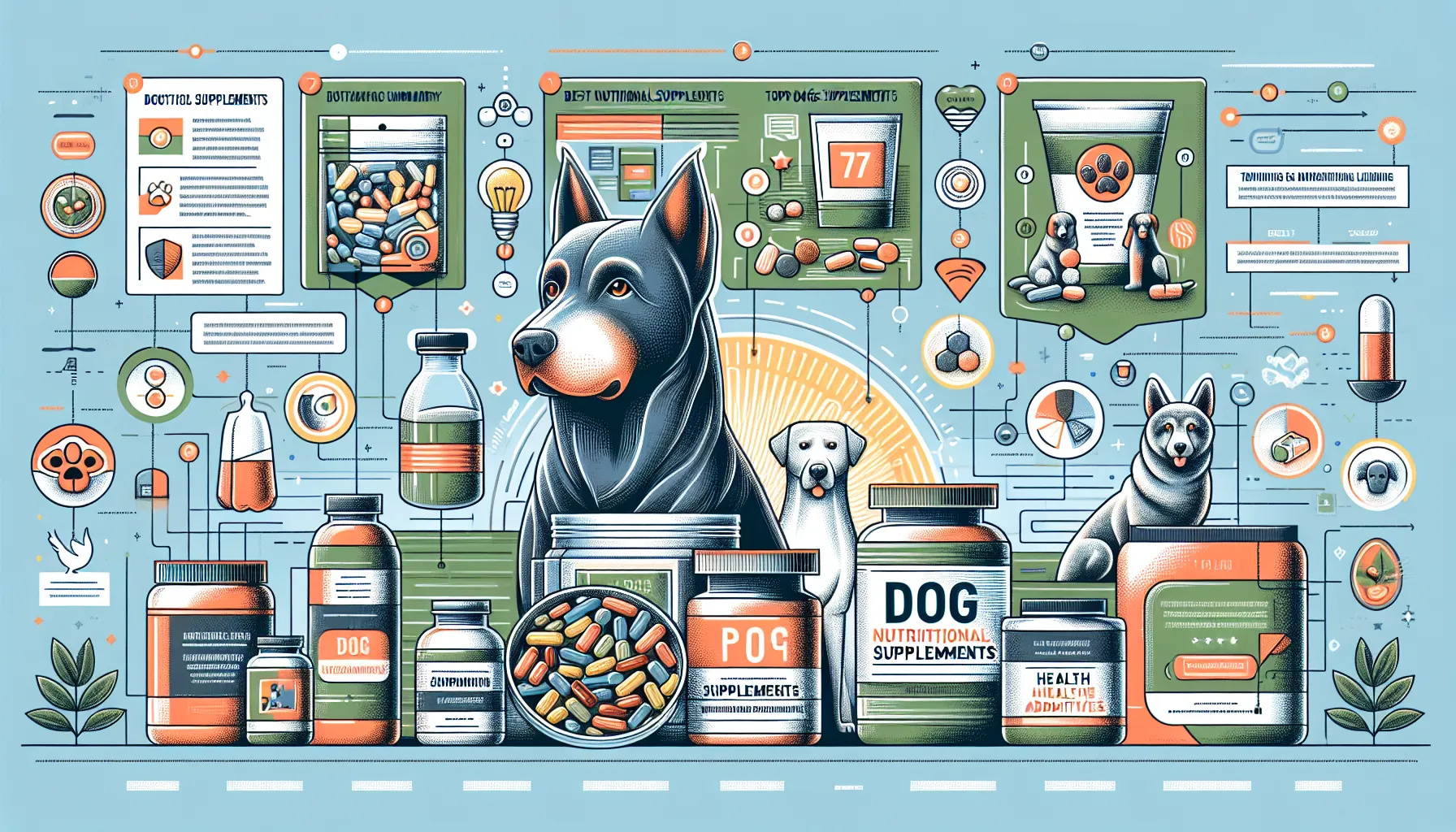
As we conclude our exploration of the top nutritional supplements for dogs, it is essential to highlight several key insights that can significantly impact your pet’s health and well-being. Nutritional supplements can serve as valuable allies in promoting optimal health for dogs, especially when tailored to their individual needs. With a variety of options available, including joint support, digestive aids, and omega fatty acids, selecting the right supplements is crucial for enhancing your dog’s quality of life.
Currently, many pet owners are becoming increasingly aware of the importance of these supplements and how they can contribute to their dog’s overall health. However, the decision-making process can be overwhelming due to the sheer volume of products on the market. It is vital to consult with a veterinarian to determine the specific needs of your dog, as this will ensure that you are choosing the most beneficial supplements tailored to their unique health profile.
Moreover, the landscape of canine dietary supplements is evolving. Nowadays, there is a noticeable trend towards customization, with many companies beginning to offer personalized supplement formulations based on individual dog profiles, including age, breed, health conditions, and activity levels. This shift towards tailored nutrition signifies a growing recognition of the diversity among dogs and their dietary needs, paving the way for more effective health solutions in the future.
Looking forward, we can anticipate an increase in innovative products that not only cater to the standard needs but also address specific health concerns such as allergies, skin conditions, and cognitive health in aging dogs. According to a report by the Pet Supplements Market analysis, the market for pet supplements is expected to grow significantly, driven by a heightened interest in pet wellness and preventive care. This trend indicates that we will likely see more research-backed formulations that are scientifically proven to enhance health outcomes.
As a dog owner, it is essential to stay informed about these emerging trends and actively participate in your dog’s health journey. Regular veterinary check-ups, coupled with informed choices regarding supplements, will ensure that your furry friend receives the best possible care. Furthermore, engaging with reputable sources and communities focused on pet health can provide valuable insights into new products and practices. For more information on pet nutrition and the latest in canine health, consider visiting the American Kennel Club’s nutrition section and PetMD’s resource on dog nutrition.
In conclusion, as we embrace these advancements in dog nutritional supplements, let us remain proactive in our approach to our pets’ health. By understanding their unique needs and staying abreast of new developments in the industry, we can ensure that our canine companions thrive now and into the future.
Frequently Asked Questions
What are the best dog nutritional supplements?
The best dog nutritional supplements can vary based on your pet’s specific needs. However, some of the top supplements include omega-3 fatty acids for skin and coat health, glucosamine for joint support, probiotics for digestive health, and multivitamins for overall wellness. Additionally, supplements like antioxidants can boost the immune system. Always consult with your veterinarian to tailor a supplement regimen that fits your dog’s lifestyle and health conditions.
How do supplements benefit my dog’s health?
Nutritional supplements can significantly enhance your dog’s health by filling dietary gaps, improving energy levels, and supporting specific health needs. For instance, glucosamine helps maintain joint health, while probiotics promote a healthy gut. Omega-3 fatty acids can reduce inflammation and improve coat condition. Overall, these supplements can lead to a happier, healthier dog, enhancing their quality of life. Always discuss with a vet to ensure you are selecting the right supplements for your dog’s unique health requirements.
Are there any risks associated with dog health additives?
Yes, there can be risks associated with dog health additives. Not all supplements are safe or necessary for every dog. Over-supplementation can lead to toxicity or imbalances, particularly with vitamins and minerals. Some ingredients may interact with medications your dog is taking, leading to adverse effects. It’s crucial to consult your veterinarian before starting any new supplement to ensure it is appropriate for your dog’s health status and dietary needs.
How do I choose the right supplement for my dog?
Choosing the right supplement for your dog involves understanding their health needs and consulting with your veterinarian. Consider factors like age, breed, activity level, and any existing health conditions. Look for high-quality supplements that are free from harmful additives and have been tested for safety and efficacy. Reading reviews and checking for certifications can also help ensure you’re selecting a trustworthy product. Tailoring supplements to your dog’s specific needs will yield the best results.
Can I give my dog human supplements?
While some human supplements may be safe for dogs, many are not formulated for canine biology and can be harmful. Ingredients like xylitol, often found in sugar-free products, are toxic to dogs. It’s essential to avoid giving your dog human supplements without veterinary guidance. Instead, opt for supplements specifically designed for dogs, as they will provide the right dosage and formulation suitable for your pet’s health needs.
How long does it take to see results from dog supplements?
The time it takes to see results from dog supplements can vary depending on the type of supplement and your dog’s specific health issues. For instance, joint supplements like glucosamine may take several weeks to show noticeable improvements in mobility. In contrast, probiotics may lead to quicker changes in digestive health. Consistency is key, so it’s important to administer the supplements as directed and monitor your dog’s progress, consulting your vet if you have concerns.
Are there any side effects of dog nutritional supplements?
Yes, dog nutritional supplements can sometimes cause side effects, particularly if given in excessive amounts. Common side effects may include gastrointestinal upset, such as diarrhea or vomiting, especially with probiotics or fish oil. Allergic reactions can also occur with certain ingredients. Monitoring your dog after introducing a new supplement is essential. If you notice any adverse effects, consult your veterinarian immediately to determine whether to continue or adjust the supplement regimen.
How should I store dog nutritional supplements?
Proper storage of dog nutritional supplements is vital to maintain their efficacy. Most supplements should be stored in a cool, dry place, away from direct sunlight and humidity. Always keep supplements in their original containers, tightly sealed, to protect them from air and moisture. Some supplements may require refrigeration after opening, so be sure to read the label for specific storage instructions. Keeping supplements out of reach of pets is also important to prevent accidental ingestion.